
 Brian Fairchild

Every ingredient in this sandwich was chosen with your blood pressure in mind. The California Grilled Veggie Sandwich started as a simple grilled vegetable recipe, but when you look at the research behind each component, you see something more useful: a meal that supports vascular health from the first bite. Grilling brings out sweetness in the vegetables without adding sodium, and the garlic mayonnaise spread does more than add flavor.
If you are already following a DASH diet plan for blood pressure, this sandwich fits naturally into that approach. It is heavy on vegetables, light on sodium, and built around healthy fats rather than saturated ones.
Why Each Ingredient Supports Healthy Blood Pressure
Red Bell Peppers
Red bell peppers are one of the richest plant sources of vitamin C, with a single cup providing more than 150% of the daily recommended amount. Vitamin C acts as an antioxidant in blood vessel walls, helping to protect the endothelium, the thin cell layer that regulates how vessels expand and contract. When endothelial function is impaired, blood pressure tends to rise. Bell peppers also contain potassium, which helps counterbalance the effects of sodium and supports healthy kidney function.
Zucchini
Zucchini is low in calories and sodium while providing a useful amount of potassium and magnesium, two minerals that act on blood pressure through separate mechanisms. Potassium helps the kidneys excrete excess sodium. Magnesium supports smooth muscle relaxation in blood vessel walls, which allows vessels to stay flexible. Stiff vessels require the heart to work harder to push blood through them, which drives pressure upward.
Yellow Squash
Yellow squash shares the nutritional profile of zucchini: low sodium, moderate potassium, and a solid supply of B vitamins including folate. Folate plays a role in homocysteine metabolism. Elevated homocysteine has been linked to arterial stiffness and increased cardiovascular risk in observational studies, and adequate folate intake helps keep those levels in a healthy range.
Red Onion
Onions contain quercetin, a flavonoid that has been studied for its effects on blood pressure in clinical trials. A 2015 meta-analysis in the British Journal of Nutrition found that quercetin supplementation produced a statistically significant reduction in systolic blood pressure across multiple randomized controlled trials. Red onions tend to have higher quercetin content than white or yellow varieties, making them a reasonable choice for a heart-focused recipe. Onions also contribute sulfur compounds that support nitric oxide production, which helps blood vessels relax and widen.
Olive Oil
The olive oil used to brush the vegetables before grilling provides oleic acid, a monounsaturated fat associated with better cardiovascular outcomes in populations that use it as a primary fat source. Olive oil also contains oleocanthal and oleuropein, polyphenols with anti-inflammatory properties. Chronic low-grade inflammation is one pathway through which blood pressure becomes persistently elevated, and diets rich in olive oil have been shown in the PREDIMED trial and subsequent studies to support lower systolic blood pressure compared to low-fat diets.
Garlic
The minced garlic in the spread is more than seasoning. When garlic is crushed or minced, it produces allicin, a sulfur compound that relaxes the smooth muscle in arterial walls. A 2016 meta-analysis published in the Journal of Nutrition reviewed 17 randomized controlled trials and found that garlic supplementation reduced systolic blood pressure by an average of 5 mmHg in people with elevated blood pressure. That effect size is clinically meaningful, comparable in scale to some first-line approaches. Fresh garlic in a recipe does not deliver the concentrated dose used in clinical trials, but it contributes to the overall cardiovascular pattern of the meal.
Reduced-Fat Feta Cheese
Feta adds protein and calcium to the sandwich without loading it with saturated fat. Calcium works alongside magnesium and potassium to support blood pressure regulation through its role in smooth muscle contraction and vascular tone. Choosing reduced-fat feta keeps the sodium contribution manageable while preserving the flavor. The DASH diet specifically recommends low-fat dairy as a source of calcium, and reduced-fat feta fits that pattern well.
Focaccia Bread
Focaccia can vary widely in sodium content depending on the brand. Check the label and look for options with 150 milligrams of sodium or less per slice. Whole-grain focaccia, when available, adds fiber that supports healthy cholesterol levels and gut function, both of which contribute to long-term cardiovascular health.
Light Mayonnaise
Light mayonnaise reduces the saturated fat and calorie load compared to standard versions without sacrificing the texture that holds the spread together. For a plant-based version, vegan mayonnaise works equally well and tends to use oils with a more favorable fat profile.
DASH Compliance Notes
This recipe fits the DASH diet framework with a few small considerations worth flagging.
- Sodium: Feta and focaccia are the main sodium contributors. Use reduced-fat feta and check your bread label to stay within DASH targets for the meal (ideally under 600 mg total sodium per serving).
- Fats: Olive oil and light mayonnaise provide mostly unsaturated fats. The recipe avoids saturated fat outside of the small feta portion.
- Vegetables: The recipe is built on four different vegetables, meeting the DASH emphasis on plant volume at every meal.
- Potassium and Magnesium: Bell peppers, zucchini, squash, and onion all contribute to the DASH targets for these minerals.
- Serving suggestion: Pair with a side salad or fresh fruit rather than chips or fries to complete the DASH-aligned meal pattern.
The Recipe
Ingredients (Serves 2)
- 3 tablespoons light mayonnaise (or vegan mayonnaise)
- 3 cloves garlic, minced
- 1 tablespoon fresh lemon juice
- 2 tablespoons olive oil
- 1 cup red bell peppers, sliced
- 1 small zucchini, sliced
- 1 red onion, sliced
- 1 small yellow squash, sliced
- 2 slices focaccia bread (low-sodium, ideally 150 mg per slice or less)
- 1/4 cup crumbled reduced-fat feta cheese
Instructions
Step 1: Mix the mayonnaise, minced garlic, and lemon juice together in a small bowl. Cover and refrigerate while you prepare the vegetables.
Step 2: Preheat your grill or grill pan to high heat.
Step 3: Brush all sliced vegetables lightly with olive oil. Place bell peppers and zucchini near the center of the grill, and arrange onion and squash around them. Grill for 3 minutes per side, turning once. Bell peppers may need a minute or two longer depending on thickness.
Step 4: Spread the garlic mayonnaise mixture onto the focaccia slices and sprinkle with feta. Place bread on the grill, spread-side up, and cover for 2 to 3 minutes until the cheese softens and the bread takes on grill marks.
Step 5: Layer the grilled vegetables onto the toasted bread and serve open-faced. Pair with a green salad or fresh fruit for a complete DASH-friendly meal.
Serving Tips
- This sandwich works equally well as a hot grilled meal or at room temperature, making it a practical option to pack for lunch.
- If focaccia is unavailable, a low-sodium whole-grain pita or flatbread works as a substitute.
- Add a handful of baby arugula or fresh basil on top before serving for an extra layer of flavor and nutrients.
Reading Further
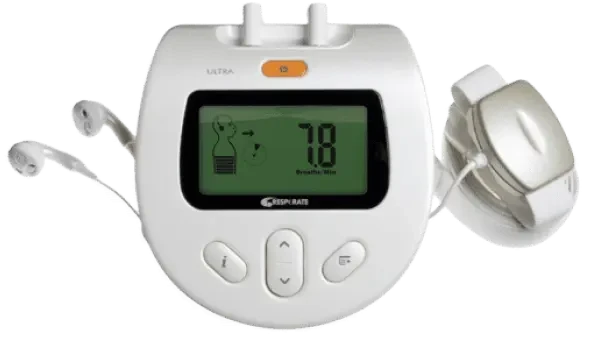
For more heart-healthy recipes that support blood pressure management, visit the healthy recipes archive on the RESPeRATE blog.
If you are looking for broader dietary guidance, the DASH diet overview explains the full eating pattern and how it maps to blood pressure management.


 Clinically proven


 Eli




Comments