
 Eli Ben-Yehuda
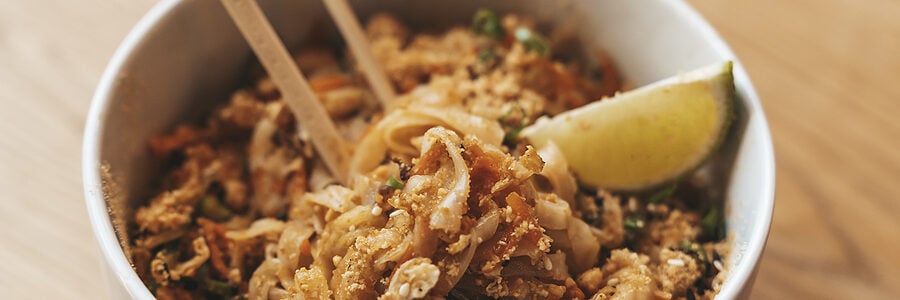
If you love bold Thai flavors but want to support your heart health, this Low-Fat Vegan Pad Thai is the perfect balance of comfort and nutrition. Traditional Pad Thai can be heavy in oil and sodium, but this lighter, plant-based version delivers the same sweet, tangy, and savory taste — without weighing you down. It’s a satisfying meal that proves heart-conscious eating can still be vibrant and delicious.
This recipe focuses on whole, plant-based ingredients like rice noodles, crisp vegetables, and lean plant proteins to create a dish that’s naturally cholesterol-free and lower in fat. By skipping excess oil and relying on fresh herbs, citrus, and umami-rich sauces, every bite is packed with flavor while supporting cardiovascular wellness. It’s a smart choice for anyone looking to reduce saturated fat without sacrificing taste.
Whether you’re following a heart-healthy diet, exploring plant-based meals, or simply craving a nourishing weeknight dinner, this vegan Pad Thai fits seamlessly into your routine. It comes together quickly, making it ideal for busy evenings when you want something wholesome, colorful, and deeply satisfying.
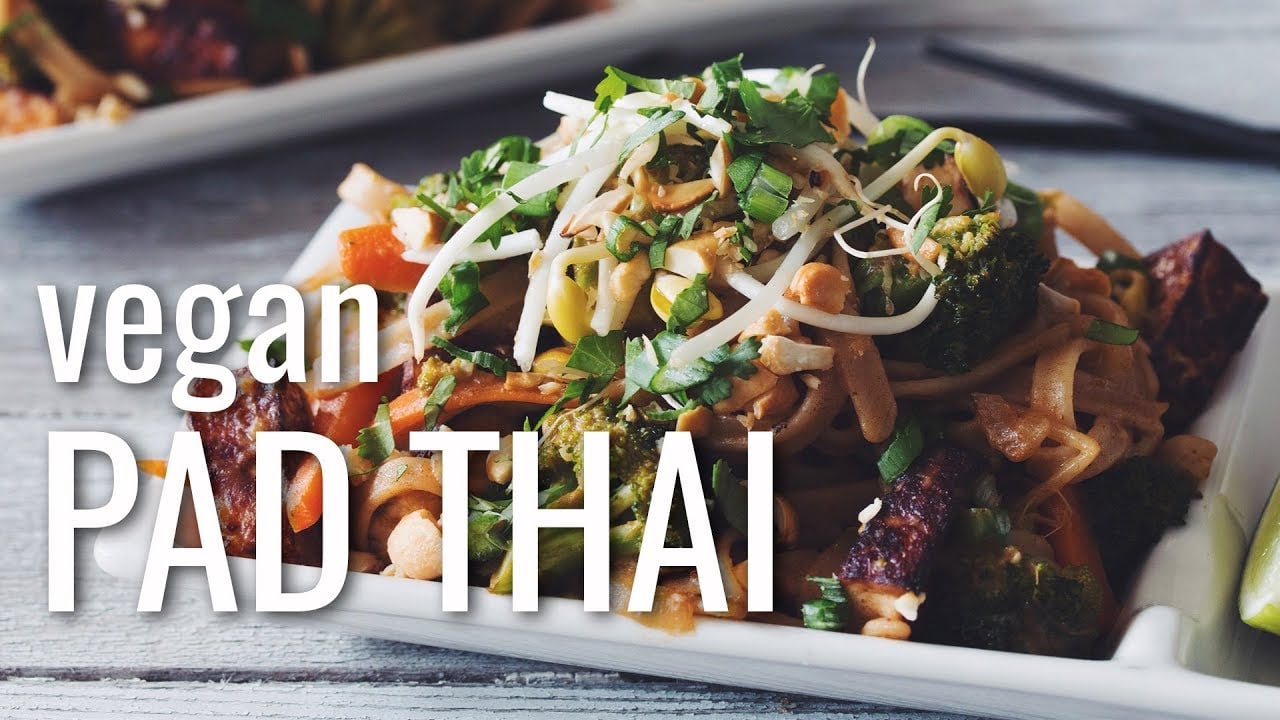
Ingredients:
- 200 g / 7 oz wide rice noodles
- 2 tbsp peanut oil (or other high smoke point oil)
- 2 spring onions, sliced
- 2 garlic cloves, finely sliced
- 1 hot red chili, finely sliced
- 2 carrots, shaved into ribbons with a speed peeler
- A large handful of green beans, cut diagonally
- ½ small broccoli, divided into florets
- 1 red pepper, finely sliced
- ¼ cup roasted & unsalted peanuts pounded in a pestle & mortar
- ½ cup mung bean sprouts
- fresh coriander, to garnish
For The Sauce:
- 5 tbsp tamarind sauce
- 1 tbsp tamari/soy sauce
- 2 tbsp vegan fish sauce or more tamari/soy sauce
- 2-3 tbsp maple syrup, adjust to taste
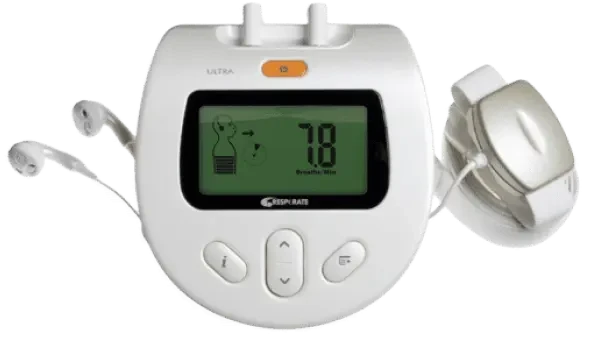
Watch how Julie Lowered her Blood Pressure Naturally.
It was 170/110, this morning it was 120/80
Learn More
Directions:
1-Prepare rice noodles according to the instructions on the packet, but do not cook them fully as you’ll give them another minute or two in the wok after. After you immerse them in soaking water, lift the lid and give the noodles a good stir to prevent them from clumping together and sticking to the bottom of the pot. Give them another good stir halfway through the soaking time.
2-Once the time is up, drain the noodles and set aside. You may want to stir a little bit of oil through them to prevent them from sticking together but I do not find this necessary.
3-Mix all the sauce ingredients together in a small bowl. If you are using a shop-bought tamarind puree/paste, go easy on it at first as it is apparently more concentrated (and therefore sourer) than if you make your paste from a tamarind block (see notes) yourself.
4-Heat up a wok or a large frying pan. Pour 1 tbsp of oil and heat it up until almost smoking. Add spring onions, garlic, and chili.
5-Stir-fry (stirring constantly) until spring onions soften and garlic becomes fragrant. Transfer to a separate plate, leaving as much oil in the wok as you can.
6-Heat up another tablespoon of oil in the same wok – no need to wash it. Start adding prepared veggies in the following order (leaving a minute or two between each addition): broccoli, peas, red pepper, and carrot ribbons. Stir-fry until cooked yet still crunchy.
7-Transfer all vegetables to a big plate and pour the sauce to the bottom of the wok. Add in noodles – they may have clumped together a little, but the sauce and heat of the work will separate them again.
8-Add spring onions, chili, garlic, and stir-fried veg back to the wok. Mix everything well and let it warm up, stirring the whole time, for a minute or two.
9-Divide between two plates sprinkle with sprouts and crushed peanuts. Serve with lime wedges on the side.
Closing Thoughts
Eating for heart health doesn’t mean giving up the dishes you love — it simply means preparing them with intention. This Low-Fat Vegan Pad Thai shows how a few simple swaps can transform a classic favorite into a nourishing, cardiologist-approved meal that still feels indulgent.
With its bright vegetables, tender noodles, and balanced sauce, this recipe is proof that plant-based cooking can be both comforting and protective of long-term health. It’s naturally cholesterol-free, rich in fiber, and designed to support healthy blood pressure and overall cardiovascular function.
Add this heart-smart vegan Pad Thai to your regular meal rotation, and you’ll have a flavorful, feel-good dinner that supports your wellness goals while satisfying your cravings. Healthy eating has never tasted so good.
Craving more noodle night ideas? Try our Heart Healthy Pistachio Pesto Pasta for a fresh twist. Or keep it classic with our Healthy Cheddar Lite Whole Wheat Macaroni Recipe.
We collected dozens of great heart healthy recipes for you – Here they are…


 Clinically proven


 Brian




Comments
2 Replies to “Low-Fat Vegan Pad Thai for a Heart-Healthy Diet”
Excellent recipe and your BP will thank you for the vegan version.
Hi Fred, You are most certainly welcome. Kindest Regards, Eli, SCS Manager. RESPeRATE.
Comments are closed.