
 Brian Fairchild

Introduction
Most people know this feeling. It is late. The phone comes out for a quick check. Forty-five minutes later the feed is still running — alarming headlines, outrage, and bad news stacking up without end. Jaw tight. Shoulders up near the ears. The mood is worse than it was before the scrolling started.
That experience now has a name — doomscrolling — and it has a measurable effect on your body. For people managing blood pressure, the mechanism is worth understanding clearly. The relationship between social media, stress, and blood pressure is more nuanced than headlines suggest, and the honest picture is more useful than a simple warning to put your phone down. For broader context on how the stress response raises blood pressure, see our article on how stress affects blood pressure.
It was 150/100, this morning it was 110/79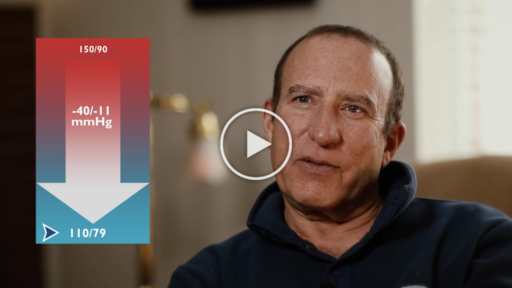
Watch How Mark Lowered His Blood Pressure Naturally.
What Doomscrolling Actually Is
Doomscrolling describes the habit of consuming large quantities of negative news and distressing content online, usually on social media, often for far longer than intended. The term gained wide use during the COVID-19 pandemic, when constant crisis coverage created a cycle of checking, finding alarming information, feeling worse, and then checking again. It has not gone away since.
The key distinction is not between social media and no social media. It is between passive negative consumption and intentional use. Scrolling through distressing news for an hour is a very different physiological experience from a brief video call with a friend or a ten-minute check of messages. That distinction matters when looking at the research, because the evidence is more nuanced than the popular framing suggests.
How Doomscrolling Affects Your Body
The stress pathway
When you encounter distressing content, your brain treats it as a threat. The amygdala signals danger, triggering a release of cortisol and adrenaline that raises heart rate, constricts blood vessels, and pushes blood pressure up. In a genuine emergency, this response is useful and short-lived. Doomscrolling is neither. Every alarming headline resets the clock before the body can recover, keeping the stress response running on a loop. Over time, that loop never fully returns to baseline.
A 2025 review published in Frontiers in Psychiatry documented the specific neuroimmune pathways through which media-induced stress triggers inflammatory and cardiovascular responses. The authors found that algorithmically amplified crisis content creates a persistent backdrop of low-level threat activation that extends well beyond the screen session itself. The stress does not end when you put the phone down.
The physical symptoms
Harvard Health notes that Harvard experts directly list elevated blood pressure alongside headaches, muscle tension, neck and shoulder pain, and sleep disruption as physical consequences of extended doomscrolling. Sitting still for hours compounds the problem further — extended doomscrolling sessions reduce cardiovascular efficiency over time on their own.
The sleep disruption link
Doomscrolling and poor sleep form a particularly damaging combination for blood pressure. Evening screen use delays sleep onset and disrupts the overnight blood pressure dip — the 10 to 20 percent drop in pressure that healthy sleep produces and that is essential for cardiovascular repair. People who scroll before bed are not simply tired the next day. They are also missing one of the most important blood pressure recovery windows in the 24-hour cycle. For a deeper look at how sleep affects blood pressure directly, see our article on what happens to your blood pressure while you sleep.
The Part Most Articles Leave Out
Here is where the honest picture matters. Social media is not uniformly harmful to blood pressure. The research draws a much more specific line than that.
A 2024 study published in PLoS ONE measured heart rate and cortisol in participants during 20-minute social media sessions and found no significant acute physiological stress response — the sympathetic nervous system was actually less active during social media use than during periods of phone abstinence. A separate study found that using social media after an acute stressor produced faster blood pressure and heart rate recovery than reading quietly. Some forms of social media use appear to provide a sense of social connection that buffers the stress response.
The variable that consistently distinguishes harmful from neutral is content. Passive consumption of distressing news, conflict, and algorithmically amplified outrage produces the stress pathway response described above. Brief, intentional connection — messaging a friend, watching something light, checking in with a community — does not carry the same physiological burden. Duration is the other variable. Short sessions do not appear to trigger meaningful acute stress responses. Extended passive scrolling does.
What About Younger People?
Younger people are not immune to these effects — and their patterns of use tend to be longer and more passive than older adults. Heavy social media use in young people consistently links to higher rates of anxiety, depression, and disrupted sleep. All three of those pathways independently raise blood pressure risk over time. The mechanism for younger people is less about acute blood pressure spikes and more about the cumulative cardiovascular burden of chronic low-grade stress and disrupted sleep across years of heavy use.
A 2025 review published by the Medical News Today noted that females showed a greater tendency toward doomscrolling behavior, as did people already experiencing symptoms of anxiety and depression — populations that already carry higher cardiovascular risk. The behavior and the risk compound each other.
It was 170/110, this morning it was 120/80
Watch how Julie Lowered her Blood Pressure Naturally.


What You Can Actually Do About It
Set specific check-in times
Passive scrolling tends to happen in the absence of a defined intention. Setting two or three specific times during the day to check news and social media, and treating those as bounded sessions rather than an always-open feed, removes the ambient stress drip that extended passive use creates. Outside those times, notifications off.
Audit what you follow
Not all content carries the same physiological load. Accounts that consistently produce outrage, alarm, or helplessness are worth unfollowing regardless of how legitimate their content is. This is not about avoiding reality — it is about recognizing that the algorithm is designed to maximize engagement through emotional activation, and outrage and fear are the most activating emotions available to it.
No screens for 30 minutes before bed
This single change protects both the sleep onset process and the overnight blood pressure dip. The blue light from screens delays melatonin production, but the content-driven cortisol activation is the more significant factor for blood pressure. For anyone managing blood pressure, a 30-minute screen-free wind-down is not a wellness cliche. It is a direct cardiovascular protection measure.
Replace the habit, not just the phone
Doomscrolling fills a gap — usually boredom, anxiety, or the desire for a sense of control through information. Simply putting the phone down does not address that gap. Replacing the habit with something that genuinely activates the parasympathetic nervous system is more effective: slow breathing, a short walk, or a few minutes of deliberate relaxation. For people managing anxiety alongside blood pressure, our article on treating anxiety and blood pressure together covers practical approaches that work on both simultaneously.
Social Media Can Also Be Part of the Solution
It is worth noting that social media is not only a cardiovascular risk — it is also a tool for health awareness. A 2024 editorial in the AHA’s journal Hypertension made the case for social media as an effective channel for improving hypertension awareness and reaching people who do not regularly engage with traditional healthcare.
The same platforms that drive doomscrolling can also deliver accurate health information, peer support, and medication reminders.
Where RESPeRATE Fits
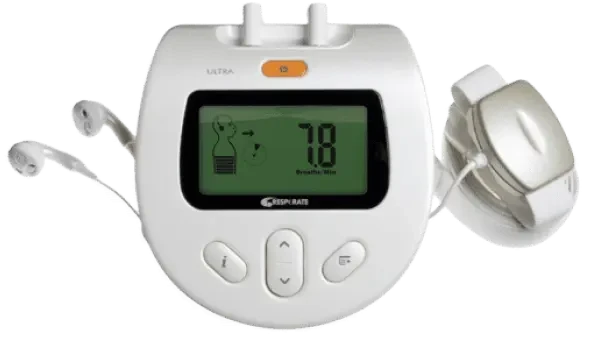
The stress pathway that doomscrolling activates — sympathetic nervous system overactivation, cortisol elevation, blood vessel constriction — is the same pathway RESPeRATE directly addresses. Fifteen minutes of device-guided slow breathing with prolonged exhalation shifts the body from sympathetic to parasympathetic mode. Used consistently, it lowers cortisol, relaxes constricted blood vessels, and activates exactly the recovery response that doomscrolling suppresses. Used in the evening before bed, it addresses both the blood pressure and the sleep disruption that extended screen use causes.
RESPeRATE is the only FDA-cleared non-drug device clinically proven to lower blood pressure, with more than 50 published studies behind it. It works alongside your physician-directed treatment plan as part of your overall health program. Learn how it works and review the full clinical evidence at our clinical proof page.
Summary
Doomscrolling and blood pressure are connected through the stress response, but the picture is more specific than a blanket warning against social media use. Passive, extended consumption of distressing content repeatedly activates the sympathetic nervous system, keeps cortisol elevated, and disrupts sleep. It also impairs the overnight blood pressure recovery that healthy sleep produces. Brief, intentional social media use does not carry the same physiological burden.
The practical response is not to quit social media. Use it deliberately instead — bounded sessions, audited content, no screens before bed, and a pre-sleep habit that calms the nervous system. For people managing blood pressure, these are not lifestyle suggestions. They are direct cardiovascular protection measures backed by a clear and well-understood mechanism.


 Clinically proven

 Eli




