
 Brian Fairchild
Veldt Grape blood pressure research is still early. What has emerged so far is worth knowing.
Veldt Grape (Cissus quadrangularis) is a climbing succulent native to Africa, the Arabian Peninsula, and parts of Asia. Traditional medicine practitioners across those regions used it for centuries, mainly for bone and joint complaints. Researchers now want to know whether it also supports cardiovascular health.
A small clinical trial measured blood pressure as one of its outcomes. This post covers what that trial found, how the plant may work, and what it cannot yet claim to do. It does not replace medical advice. Talk with your doctor before adding any supplement to your routine.
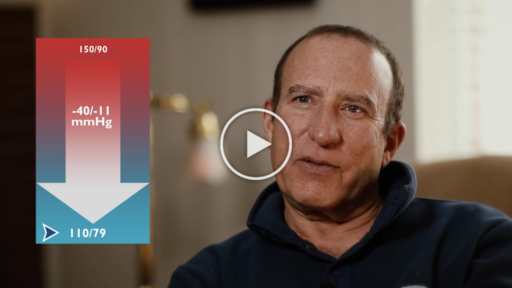
Watch How Mark Lowered His Blood Pressure Naturally.
It was 150/100, this morning it was 110/79

What Is Veldt Grape?
Veldt Grape belongs to the grape family (Vitaceae). Its botanical name is Cissus quadrangularis. The plant grows across tropical Africa, South Asia, and Southeast Asia. Its common name comes from the open grasslands of southern Africa. The stems are quadrangular, and the plant climbs using small tendrils.
Ayurvedic and traditional African healers used Cissus quadrangularis for millennia. Its active compounds include beta-sitosterol, luteolin, quercetin, vitamin C, calcium, and antioxidants. Researchers believe these compounds drive most of the plant’s biological activity.
What the Research Shows on Blood Pressure
The key human study is a randomized, double-blind, placebo-controlled pilot trial (Nash et al., 2018; PMID 29912570). Researchers published it in the Journal of Alternative and Complementary Medicine. The trial enrolled 67 overweight adults with metabolic syndrome.
Participants took either 300 mg of a standardized Cissus quadrangularis extract (CQR-300) or a placebo for eight weeks. Both groups kept their usual diet and activity levels.
The CQR-300 group showed strong results. Systolic blood pressure fell by about 8.7 percent. The placebo group dropped just 0.3 percent. Diastolic pressure fell 6.0 percent versus 3.3 percent in the placebo group.
The CQR-300 group also saw drops in body fat, waist size, total cholesterol, triglycerides, and fasting glucose. HDL cholesterol went up.
The Nash et al. study (PMC6352552) authors noted this was a small pilot study. No larger independent trial has yet replicated these numbers. The results point to potential, not proven efficacy.
How Veldt Grape May Affect Blood Pressure
Researchers have proposed a few mechanisms. Quercetin and beta-sitosterol in Cissus quadrangularis may cut oxidative stress in blood vessel walls. Less oxidative stress means more vascular flexibility. Stiffer vessels drive blood pressure up.
Cell studies also suggest the plant’s compounds may raise nitric oxide in endothelial cells. Nitric oxide tells blood vessels to relax and dilate. That lowers pressure on the walls.
Body fat reduction may also play a role. The Nash trial showed drops in both weight and blood pressure. The NHLBI notes that losing weight is one of the most effective lifestyle moves for lowering blood pressure. It is unclear how much of the trial’s BP benefit came from direct action versus weight loss.

Watch how Julie Lowered her Blood Pressure Naturally.
It was 170/110, this morning it was 120/80
Learn More

Weight Management as a Supporting Factor
Weight and blood pressure connect closely. The American Heart Association lists excess weight as a modifiable risk factor for hypertension. Even a five to ten percent drop in body weight can lower blood pressure meaningfully in people who carry extra weight.
In the Nash trial, CQR-300 cut body fat by about 8.9 percent (by bioelectrical impedance) and shrank waist circumference. Whether Veldt Grape delivers similar results in people without metabolic syndrome remains unknown.
Additional Benefits Being Studied
Most other Veldt Grape research uses cell cultures or animal models, not human trials. Treat these findings as early signals, not established benefits. They do explain why researchers keep studying this plant.
Anti-Inflammatory Properties
Lab studies show that Cissus quadrangularis extracts block COX-1, COX-2, and 5-lipoxygenase. These enzymes drive inflammation. Luteolin and beta-sitosterol appear to do most of that work.
Chronic low-grade inflammation links to both high blood pressure and cardiovascular disease. Whether these lab findings translate to meaningful anti-inflammatory effects in people remains to be proven.
Antioxidant Activity
Cell studies show Cissus quadrangularis extracts scavenge DPPH, superoxide, and hydroxyl radicals. They also appear to boost antioxidant enzyme activity in vascular endothelial cells. These are cell-level results. Human trial data does not yet exist for these specific effects.
Bone and Joint Support
This is Veldt Grape’s most studied area. Animal models and some human data point to benefits for bone density and joint inflammation, especially in osteoarthritis and fracture healing. That topic sits outside the scope of this post. But readers who encounter Cissus quadrangularis in a broader wellness context will likely see it mentioned there.
How Veldt Grape Is Used
Veldt Grape supplements come in capsule, tablet, and powder form. The Nash trial used 300 mg daily of the CQR-300 extract. Study doses vary. No standard dose exists for blood pressure support.
Quality control matters with any supplement. Look for products from GMP-certified manufacturers. Anyone on blood pressure medication or managing a cardiovascular condition should speak with a doctor before starting Veldt Grape.
Managing Blood Pressure Takes More Than One Tool
Veldt Grape shows early promise as a cardiovascular supplement. For a broader look at the evidence on herbs and nutrients for hypertension, read our post on the Top 5 Supplements for Heart Health and Hypertension.
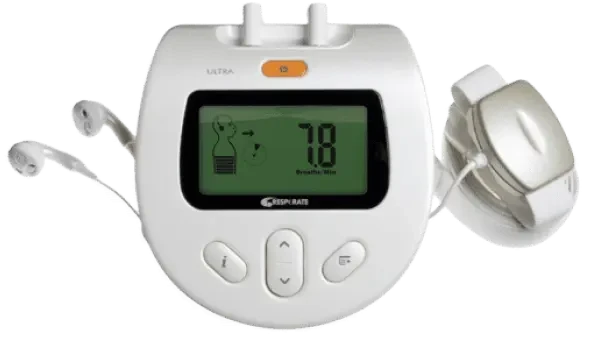
Want a non-drug option with a stronger clinical track record? Device-Guided Breathing Stress Relief through a device like RESPeRATE lowers blood pressure in multiple clinical trials. It is FDA-cleared and works alongside a doctor’s treatment plan, not instead of one.
Supplements can support your overall approach. Working with your doctor to track your numbers and adjust your plan is still the most important step.


 Clinically proven

 Eli





Comments