
 Eli Ben-Yehuda
When it comes to heart health, most people immediately think of nutrients like omega-3 fatty acids or magnesium. However, one often-overlooked powerhouse is Vitamin K2—a vital nutrient that plays a unique and critical role in keeping your cardiovascular system functioning at its best. Despite its importance, many people are unaware of how essential Vitamin K2 truly is for maintaining a strong and healthy heart.
Vitamin K2 works behind the scenes to help regulate where calcium goes in the body. Instead of allowing calcium to build up in the arteries—where it can contribute to stiffness and reduced blood flow—Vitamin K2 helps direct it toward the bones, where it belongs. This process is key to preventing arterial calcification, a major factor in heart disease and other cardiovascular conditions.
As awareness of heart health continues to grow, so does the interest in nutrients that support long-term wellness. Understanding the role of Vitamin K2 can empower you to make smarter dietary choices and take proactive steps toward protecting your heart in a natural and effective way.
Food Sources of Vitamin K2
Organic Butter
Butter is certainly not the enemy we’ve been brought up to believe it is, in fact, it’s a rich source of brain-loving satiating and natural fats, Vitamins A and D, and of course vitamin K2 – containing 14.5mcg of K2 per 100g serve. As we should be using butter in small quantities, it admittedly isn’t a huge amount but can contribute to a regular intake of K2 in combination with other dietary sources.
Cheese
A terrific source of Vitamin K2! The lactic acid present in cultured cheeses increases the amounts of bacteria-derived K2. So it’s important to choose ‘proper’ cheeses – not pre-packaged sliced for your cheese on toast. Although all cheeses contain a significant amount of the vitamin. Gouda clocks in an average of 50mcg of menaquinone-7 per 100g – the most active bone-building form of K2!
Grass-Fed Beef
Animal’s grazing on lush green grass are able to convert the K1 present into K. Something our gut bacteria are relatively inefficient at doing. So eating grass-fed meat on a regular basis is a great way to get 4.5mcg per 100g of K2 – plus it tastes so much better and has higher amounts of Omega-3 than grain-fed meat.

Watch how Julie Lowered her Blood Pressure Naturally.
It was 170/110, this morning it was 120/80
Learn More

Egg Yolks
It is ironic that eggs were once demonized as one of the main foods to avoid in a ‘heart healthy’ diet. Pasture-raised eggs are a rich source of Vitamin K2 with around 32.1mcg per yolk. This, of course, contributes to heart health via calcium modulation mechanisms.
Fermented Foods
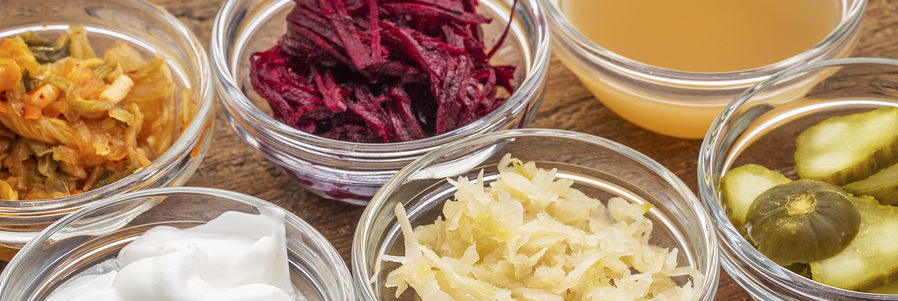
Although Natto is by far the richest food source of Vitamin K2, other fermented foods may also contain small amounts. However, the measurement of K2 in fermented products such as sauerkraut, kefir, and range of dairy tend to vary widely. This is due to the specificity of the bacteria used in the fermentation process. Although it’s a bit of a grey area, you are still reaping the rewards of healthy probiotic intake whether it contains large amounts of K2 or not.
High in protein, healthy fats, and good bacteria, these high Vitamin K2 foods can indeed be part of a healthy diet. This along with the nutrient dense greens containing its sister nutrient K1. Supplementing with additional Vitamin K2 may be required to meet adequate needs when dietary intake is low or digestive function impaired. But remember to consider any medications you may be taken before embarking on any dietary change or new supplement regime in relation to Vitamin K. Also consult your health practitioner if unsure.
Closing Remarks
Incorporating Vitamin K2 into your daily routine can be a simple yet powerful step toward better heart health. Whether through dietary sources like fermented foods and certain cheeses or through high-quality supplements, ensuring adequate intake can support your body’s natural ability to maintain proper calcium balance.
A strong and healthy heart depends on more than just one factor—it’s the result of consistent, mindful choices over time. By paying attention to nutrients like Vitamin K2, you’re not just addressing immediate health concerns but investing in your long-term well-being and vitality.
Ultimately, understanding and embracing the benefits of Vitamin K2 allows you to take a more comprehensive approach to cardiovascular care. With the right knowledge and habits, you can support your heart in a way that’s both sustainable and effective for years to come.



 Clinically proven

 Brian





Comments
4 Replies to “Why Vitamin K2 Is Crucial for a Strong and Healthy Heart”
Please clarify !
Are you referring to vitamin K2 or K3 ?
Thank you,
Hi Holly, That would be vitamin K2 as written in the article and the video from Dr. Berg. Kindest Regards,
Eli,Content Manager. RESPeRATE.
How many tablespoons in 100 grams of organic butter?
Hi Bill, 7.1 tablespoons. Eli
Comments are closed.