
 Brian Fairchild

Lavender oil benefits are a favorite topic in natural health. People use lavender to relax, to sleep, and sometimes for blood pressure. Some small studies look promising, while others found no effect. Here is what the research shows and how to use lavender safely.
What Is Lavender Oil?
Lavender oil comes from the lavender plant. The 2022 and 2013 trials below both used one species, Lavandula angustifolia. According to the NCCIH, people use lavender in aromatherapy and on the skin. It is also sold as an oral supplement for anxiety and stress.
Lavender Oil Benefits for Stress and Anxiety
For anxiety, the NCCIH says studies suggest a lavender oil product taken by mouth might help. However, it notes limits, including small studies and a lack of independent funding and testing.
Aromatherapy is less clear. The NCCIH says it is unclear whether breathing in lavender oil helps with anxiety or stress.
Does Lavender Help You Sleep?
Better sleep often appears on lists of lavender oil benefits. Even so, the NCCIH says it is unclear whether lavender aromatherapy helps sleep quality or insomnia. Its aromatherapy page adds that little rigorous research has looked at aromatherapy for insomnia.
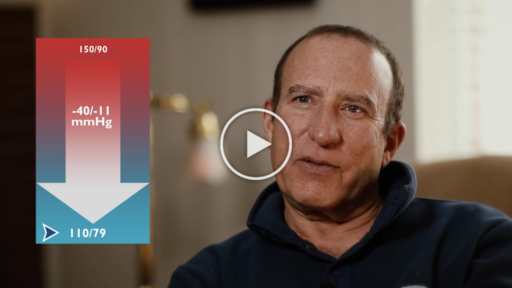
Watch How Mark Lowered His Blood Pressure Naturally.
It was 150/100, this morning it was 110/79
If you enjoy the scent at bedtime, it may make your routine feel calmer. For problems that last, though, turn to steps with stronger evidence. Our guide on how to beat insomnia covers the therapy doctors recommend first. You can also read what research shows on tart cherry juice for sleep.
Lavender and Blood Pressure: Mixed Results
Several small studies have tested lavender and blood pressure. Their results do not agree:
- A 2022 trial in 69 adults with high blood pressure found lower readings after brief lavender inhalation. It measured only short-term effects.
- A 2017 study of 40 heart surgery patients found lower blood pressure after lavender. It had no comparison group, though.
- In a study of 30 healthy men, lavender did not change blood pressure or heart rate.
- A 2013 trial in 34 women found lavender tended to raise blood pressure during a stressful medical test.
Taken together, lavender oil benefits for blood pressure remain unproven. To see how other oils compare, read our post on essential oils for high blood pressure.
Lavender Oil Side Effects and Safety
Lavender in food amounts is likely safe, according to the NCCIH. Still, lavender products can cause problems for some people:
- Oral lavender may cause diarrhea, headache, nausea, or burping.
- Lavender on the skin may cause allergic skin reactions.
- The NCCIH considers lavender aromatherapy possibly safe, but it may cause headache or coughing.
- Also, the NCCIH notes a few cases of breast swelling in children who used lavender on the skin. It adds that the role of lavender is unclear.
- Lavender might interact with some sedative drugs or herbs. Tell your health care team about it, especially before surgery.

Watch how Julie Lowered her Blood Pressure Naturally.
It was 170/110, this morning it was 120/80
Learn More

Also, do not swallow lavender essential oil from an aromatherapy bottle. Poison Control warns that some essential oils are poisonous if swallowed. The oral studies used a specific lavender oil product in capsules, which is a different thing. Ask your doctor before taking any lavender supplement.
How to Use Lavender Oil Safely
The NCCIH says people most often inhale essential oils or apply them diluted to the skin. With that in mind, try these tips:
- Breathe in the scent, for example from a diffuser.
- Dilute lavender in a carrier oil before using it on your skin, and skip damaged skin.
- Stop using it if your skin gets red or itchy.
- Keep oils away from children. Poison Control notes that their thin skin and immature livers may make them more sensitive.
Lavender is not a substitute for blood pressure medicine. Check with your doctor first if you take daily medicines.
How to Lower Blood Pressure Naturally
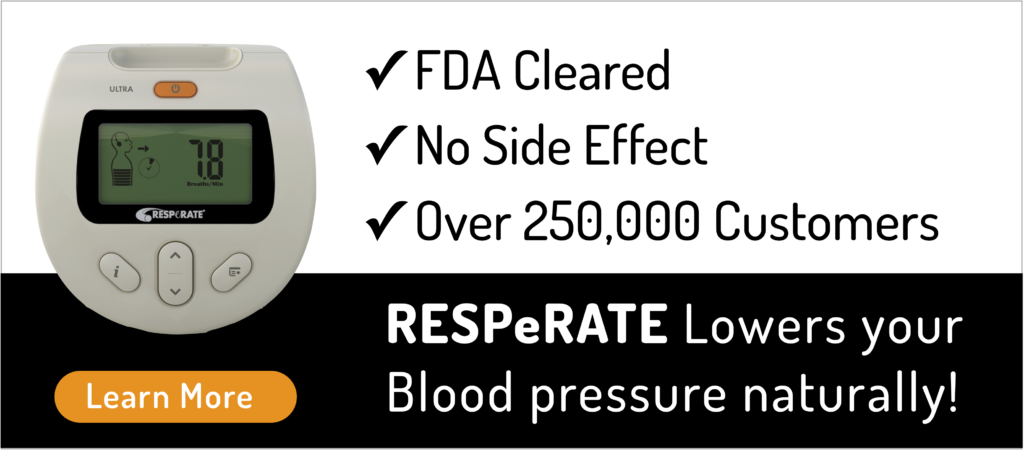
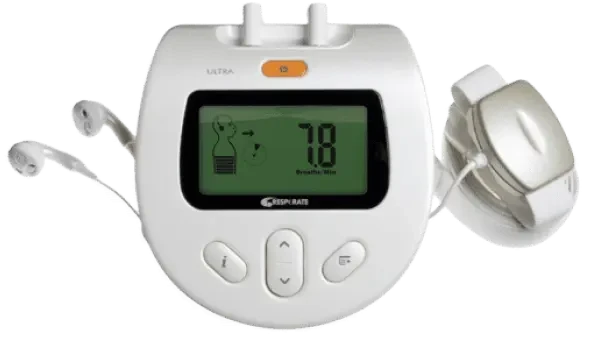
A calming lavender routine can be one small part of a heart-healthy day. RESPeRATE is an FDA-cleared device clinically shown to lower blood pressure through device-guided slow breathing. It works alongside your physician-directed treatment plan, not instead of it. See how RESPeRATE works and whether it fits your daily routine.


 Clinically proven


 Eli



