
 Brian Fairchild

The relationship between body weight and blood pressure is one of the most direct in cardiovascular medicine. The 2025 AHA/ACC hypertension guideline puts a specific number on it: approximately 1 mmHg of systolic blood pressure reduction for every kilogram of weight lost. Lose 5 kilograms and expect around a 5 mmHg improvement. For context, that is the same range many single blood pressure medications deliver.
Reaching that goal is the challenge. Not the motivation to try, but the tool most people use to track it. Your bathroom scale has a specific and well-documented relationship with motivation, and it is not a supportive one. Understanding the psychology behind that relationship, and what the research suggests instead, may be the most practical change you can make alongside adjustments to diet and exercise.
It was 150/100, this morning it was 110/79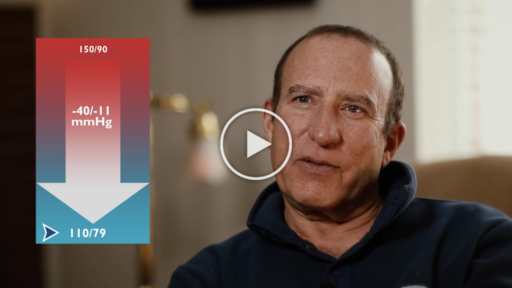
Watch How Mark Lowered His Blood Pressure Naturally.
Why Weight Fluctuates — and Why That Causes Problems
Normal body weight can fluctuate by 1 to 2 kilograms within a single day. That fluctuation has nothing to do with fat gain or loss. It reflects changes in hydration, sodium intake, medication timing, digestive contents, and the weight of food consumed. Research confirms this is entirely expected. Yet most people interpret an upward scale movement as failure, regardless of what caused it.
The result is counterproductive. You eat well, exercise, and then step on the scale to find you weigh more than yesterday. The data reads as evidence against your efforts even when your efforts are exactly right. A 2023 study in Applied Psychology Health and Well-Being found that daily weighing was associated with greater mood disruption and affective lability compared with a control group. Furthermore, the study found this effect was particularly pronounced in people who had a history of discouragement around weight. Your scale is not emotionally neutral.
The Loss Aversion Problem
Behavioral economics explains why scale fluctuations feel so discouraging. Research on loss aversion consistently finds that losses feel psychologically twice as painful as equivalent gains feel positive. Applying that to weight management is straightforward. Losing a pound feels good. Gaining a pound feels twice as bad. When normal daily fluctuations move the number in both directions, the negative moments consistently outweigh the positive ones in emotional impact. Consequently, motivation erodes even when the overall trajectory is downward.
This matters directly for blood pressure. Chronic stress and emotional distress both activate the sympathetic nervous system, which independently raises blood pressure. A scale that reliably triggers frustration is therefore doing cardiovascular harm beyond simply failing to motivate. For more on how the stress response raises blood pressure through this same pathway, see our post on how stress affects blood pressure.
Plateaus and Why They Feel Like Failure When They Are Not
Weight loss does not follow a straight line. The body adapts to caloric restriction by adjusting metabolic rate. Water retention from hormonal changes can mask fat loss on the scale for weeks at a time. Research from ECO 2025, the European Congress on Obesity, found that programs focused solely on percentage of body weight lost set many participants up for a failure experience even when other health markers were improving. Furthermore, the scale cannot distinguish between a true plateau and normal biological noise.
For people managing hypertension, maintenance is itself a meaningful success. A meta-analysis of 25 randomized controlled trials published in the AHA journal Hypertension found that a net weight reduction of 5.1 kilograms reduced systolic blood pressure by 4.44 mmHg and diastolic by 3.57 mmHg. Even modest sustained weight loss produces real cardiovascular benefit. However, daily weighing makes maintenance look indistinguishable from stagnation.
Behavior Matters More Than the Number on the Scale
The most consistent finding in behavioral weight loss research is that process-focused goals produce better long-term results than outcome-focused ones. A 2023 study in the Journal of Medical Internet Research followed 1,390 participants over 24 weeks. Participants who set process-oriented goals, such as specific dietary changes or exercise targets, consistently outperformed those focused primarily on a target weight number. They also had lower dropout rates.
Instead of making the scale the daily measure of success, the evidence supports tracking the behaviors that produce weight loss: daily steps, dietary changes, sodium intake, sleep quality, and stress management. These are variables you control directly. Moreover, they connect your daily actions to the cardiovascular outcomes you care about rather than to a number that reflects as much biological noise as real progress.
It was 170/110, this morning it was 120/80
Watch how Julie Lowered her Blood Pressure Naturally.


What to Track Instead
Weigh yourself weekly, not daily
Use the same time of day and the same conditions each time. Track the trend over weeks rather than individual readings. A weekly measurement removes most of the daily fluctuation noise while preserving the accountability function that monitoring provides. Some people do better with fortnightly measurement when daily weighing has a history of triggering avoidance or giving up.
Track blood pressure directly
For people with hypertension, blood pressure is the actual goal. Weight is an intermediary variable. Watching blood pressure respond to dietary changes, exercise, and reduced sodium provides feedback that connects behavior to the cardiovascular outcome you actually care about. Furthermore, it gives you something meaningful to track every day without the emotional volatility of scale readings. For guidance on accurate home measurement, see our post on what is a normal blood pressure.
Track behaviors with a simple daily log
Sodium intake, servings of vegetables, minutes of walking, and hours of sleep are all variables where improvement shows up immediately. They do not require waiting for the scale to confirm what you already know about how you are doing. Additionally, they are the variables that evidence-based weight loss programs consistently identify as the drivers of sustainable results.
Where RESPeRATE Fits
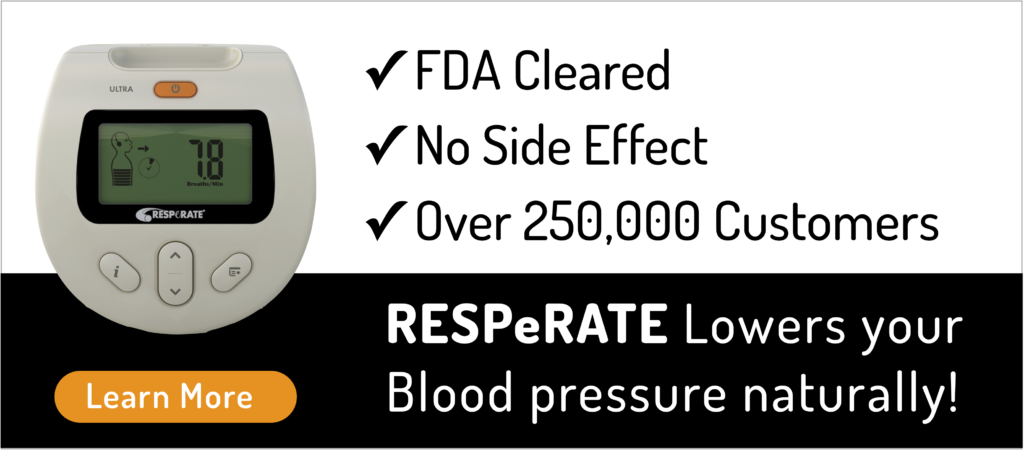
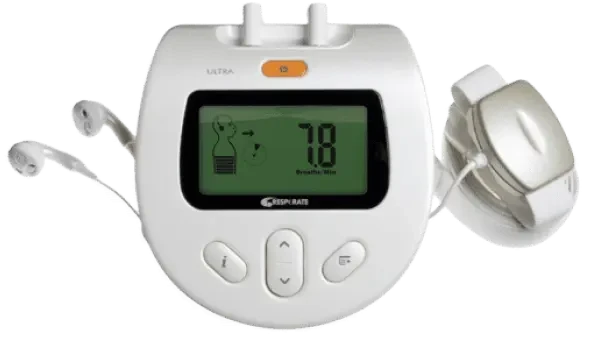
RESPeRATE works alongside your overall health program throughout the weight loss process. The sympathetic nervous system remains an independent driver of elevated blood pressure regardless of where you are on your weight loss journey. RESPeRATE addresses that directly, guiding slow breathing with a prolonged exhale to calm the same neural activation that stress and frustration, including scale-related frustration, can trigger. It is the only FDA-cleared non-drug device clinically proven to lower blood pressure. Use it as part of your overall health program alongside your physician-directed treatment plan. See the full evidence at our clinical proof page.
Summary
The 2025 AHA/ACC guideline confirms approximately 1 mmHg of systolic blood pressure reduction per kilogram of weight lost. That makes weight management one of the most powerful non-drug levers for blood pressure control. However, the standard bathroom scale creates a psychological environment that actively undermines the sustained behavior change that weight loss requires. Daily fluctuations read as failure when they are normal. Losses feel twice as painful as gains feel good. Plateaus look like stagnation even when they are not.
The solution is not to stop monitoring. Instead, monitor less frequently, track behaviors rather than just outcomes, and measure the variable you care about most: your blood pressure.


 Clinically proven

 Eli





Comments