
 Brian Fairchild

A widely cited 2018 network meta-analysis led by Huseyin Naci at the London School of Economics pooled data from 391 trials and found that structured exercise was comparable to most medications for lowering blood pressure. The researchers warned that people should never stop taking prescribed medication based on this finding alone.
It’s worth knowing that the exercise side of that comparison was much smaller, just 13 percent of the trials and 3 percent of the nearly 40,000 total participants. A more recent network meta-analysis found medications were somewhat more effective overall, though the evidence wasn’t strong enough to call the difference definitive.
The honest takeaway: exercise is a genuinely powerful tool for lowering blood pressure, but it works best alongside your physician-directed treatment plan, not as a replacement for it.
It was 150/100, this morning it was 110/79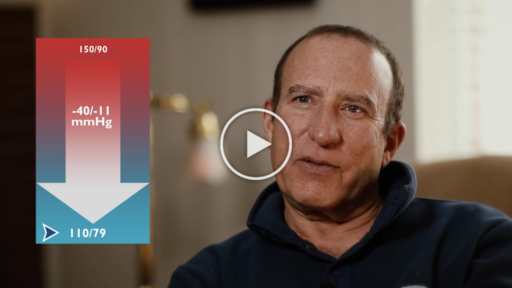
Watch How Mark Lowered His Blood Pressure Naturally.
Where Do I Begin?
The best place to start is with your primary healthcare provider. Discuss your plans, get a checkup, and get the green light to increase your activity. Even people with physical limitations can exercise to some extent, so don’t sell yourself short on what you’re able to do.
Taking Charge of Your High Blood Pressure Numbers
Increasing your activity won’t just happen because you’re thinking about it. It takes a genuine take-charge attitude, especially since it’s easy to default to the path of least resistance. You’ll get out of it what you put into it. Aim for 30 to 40 minutes of vigorous activity three to four times a week to get the benefit your body needs to bring your numbers down.
Couch Potato
Leave a potato on the couch and eventually, it will begin to rot. Being inactive will cause our health to deteriorate over time.
According to the American Heart Association, we should have these target goals in mind:
- For most healthy people, get the equivalent of at least 150 minutes (two hours and 30 minutes) per week of moderate-intensity physical activity, such as brisk walking.
- You can incorporate your weekly physical activity with 30 minutes a day on at least five days a week.
- If you need to lower your blood pressure or cholesterol, aim for 40 minutes of moderate to vigorous physical activity three to four times per week.
- Physical activity should be performed in episodes of at least 10 minutes, and preferably, it should be spread throughout the week.
- Include flexibility and stretching exercises.
- Include muscle-strengthening activity at least two days each week.
Maybe you’ve been inactive for a long time and feel a little apprehensive about starting again. If that’s the case, start off slowly. You’re not in a competition. Start with walking or bicycle riding and ease into it. The most important thing is to start.
Brisk Walking
Walking briskly can lower your risk of high blood pressure, high cholesterol, and diabetes as much as running. A study from Lawrence Berkeley National Laboratory, published in Arteriosclerosis, Thrombosis, and Vascular Biology, compared over 33,000 runners and nearly 16,000 walkers and found walking reduced hypertension risk by 7.2 percent per unit of energy expended, slightly outperforming running’s 4.2 percent reduction. All three conditions are risk factors for heart disease and stroke, and exercise intensity matters less than consistency.
Swimming
Swimming is often promoted as a good way for older people to exercise since it’s easy on the joints and it’s not likely to cause overheating. And many follow that advice: after walking, swimming is the second-most popular form of exercise among the older set.
A study published in the American Journal of Cardiology followed 43 older adults with prehypertension or stage 1 hypertension. Those who swam three to four times a week for 12 weeks saw their average systolic blood pressure drop from 131 mmHg to 122 mmHg, a meaningful nine-point improvement.
Rowing
Rowing is a high-output aerobic sport that works the whole body, which makes it especially effective for cardiovascular conditioning. Like other forms of sustained aerobic exercise, regular rowing can help normalize blood pressure, improve sleep quality, and support overall cardiovascular fitness. It also builds posture and joint flexibility, since the stroke engages the legs, core, and back together.
Golf
Golf’s combination of exercise, fresh air, and camaraderie supports long-term heart health in ways that go beyond casual observation. A 2023 randomized crossover study found that playing 18 holes on foot lowered blood pressure, blood sugar, and cholesterol markers, with effects comparable to or better than an hour of brisk walking. Separately, a long-term NHLBI Cardiovascular Health Study cohort found regular golfers had a reduced long-term risk of cardiovascular events.
Ballroom Dancing
Regular ballroom dancing is a genuine cardiovascular workout. The sustained, rhythmic movement can support a slower resting heart rate, healthier blood pressure, and more balanced cholesterol over time, the same general benefits seen with other forms of consistent aerobic activity.
It was 170/110, this morning it was 120/80
Watch how Julie Lowered her Blood Pressure Naturally.


Bowling
While not a high intensity workout, bowling still beats sitting still. A sedentary lifestyle is one of the leading modifiable risk factors for heart disease, and any regular movement, including a weekly bowling session, helps counter that risk. It won’t replace dedicated cardio, but it’s a genuinely better choice than the couch, and it gets you moving, circulating, and engaged.
There are many different ways to get active, and the best one is whichever you’ll actually enjoy and stick with. Getting active, even when you’re tired, increases your energy over time. It also improves your mood and gives you a reason to get off the couch.
Physical connection with a partner counts too; regular intimacy offers its own set of cardiovascular benefits worth knowing about.
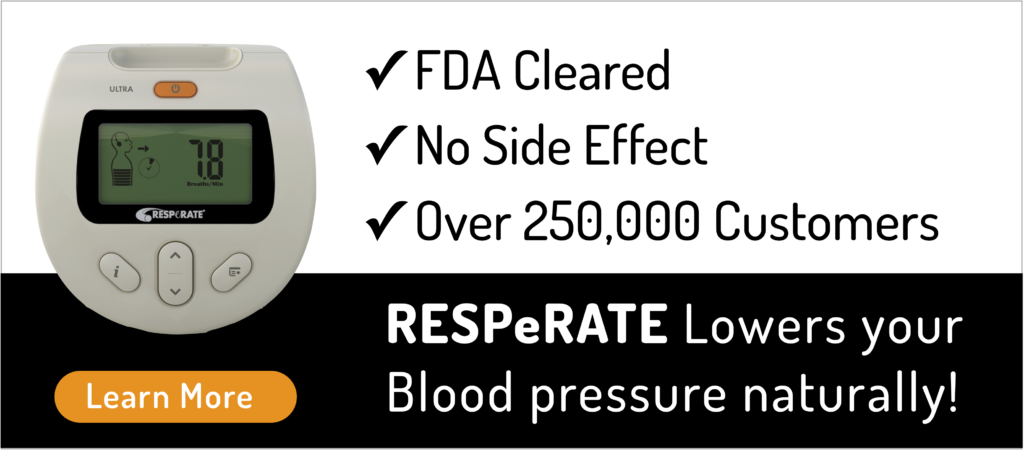
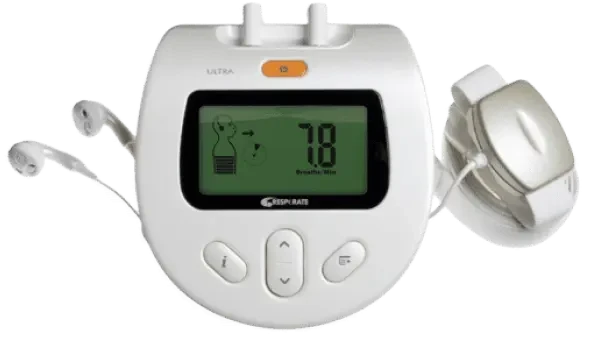
For more on building sustainable habits around activity, diet, and stress, see our guide to six ways to maintain healthy blood pressure naturally. Pairing those habits with RESPeRATE’s guided breathing therapy, used alongside your physician-directed treatment plan, can support healthy blood pressure even further.
Activity matters for your health in ways that compound over time. Start somewhere, doing at least something, and consider asking a partner to join you.


 Clinically proven





Comments
7 Replies to “Discover How Regular Exercise Can Revolutionize Your Blood Pressure”
I’ve had high blood pressure since I was 13 years old and while I am now 80, I
currently do swimming 3 -4 times a week and also indulge in exercising. I take a lot
of medication and my blood pressure for the most part is almost always higher
than it should be.
Have you considered trying our device for lowering high blood pressure? Many have with great results.
It does come with a 60-day money back guarantee and if you are not happy with the results you can
return for a full refund. Kindest Regards, Eli, Content Manager, RESPeRATE.
I have been interested in your product for a while but I guess my main trepidation has been the cost. Curiously, I spend that amount on trivial things sooo… Mr Dr.hasn’t found a med that works for me yet and I wonder if this device would even work?
Hi, With our 60-day money back guarantee you have nothing to lose by trying our device. Except
your high blood pressure. Kindest Regards, Eli
You have had HBP for almost 70 years and you are swimming and . . . . Well, I think you’ve been worrying about nothing for a lifetime! Keep doing what you’re doing and ignore the numbers. The BP parameters are a broad generalization and you happen to be a healthy octogenarian outlier! Celebrate!
I bought one years ago when HB pressure was not a problem. I made the mistake of leaving the batteries in and one leaked so it does not work now when i need it! Could i be given some credit toward a new on
as it was much more expensive when i originally bought it………..thank you, 81 & Grandma of 14
Hi Dorothy, I would buy a can of CRC-Electronic spray cleaner. It is about $7 a can. You can purchase at any Wal-Mart, Auto store, or hardware store. Do not use water, lemon, or vinegar. You could ruin the device. Take out the batteries. Spray in the battery compartment. Do this twice. And do not be afraid to spray a large amount. 9 times out of 10 this solves the problem then insert new alkaline batteries.Kindest Regards,Eli.
Comments are closed.