
 Brian Fairchild
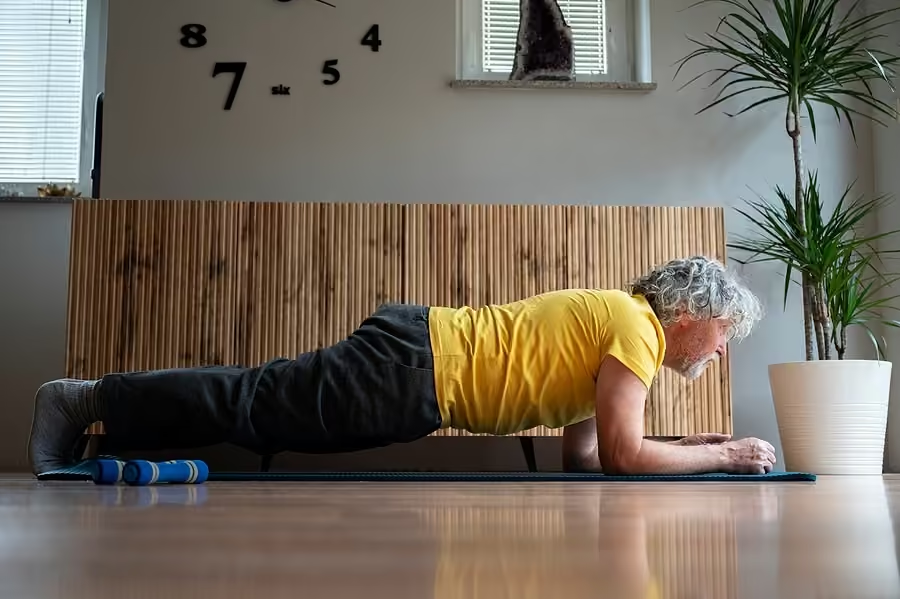
Isometric exercise for blood pressure ranked first in a large review of exercise trials. In these moves, you tense a muscle and hold it still, like a wall sit or a plank. Here is what the studies found, how to do the exercises, and how to stay safe.
What Is Isometric Exercise?
An isometric exercise works a muscle without moving the joint. Instead of lifting and lowering, you hold one position. Common examples include wall sits, planks, and squeezing a handgrip.
What the Research Shows on Isometric Exercise for Blood Pressure
A large 2023 review in the British Journal of Sports Medicine pooled 270 randomized trials with 15,827 people. It compared several types of exercise. Isometric exercise lowered resting blood pressure the most, by about 8.2/4.0 mmHg.
For comparison, here are the other results:
- Combined aerobic and resistance training: about 6.0/2.5 mmHg
- Dynamic resistance training, such as lifting weights: about 4.6/3.0 mmHg
- Aerobic exercise: about 4.5/2.5 mmHg
- High-intensity interval training: about 4.1/2.5 mmHg
Among the isometric moves, the wall squat ranked highest for lowering systolic pressure. Even so, the authors noted that several types of exercise helped.
Handgrip Training
Handgrip training has its own body of research. A 2022 review found that 17 of 26 randomized trials reported lower resting blood pressure, mostly systolic.
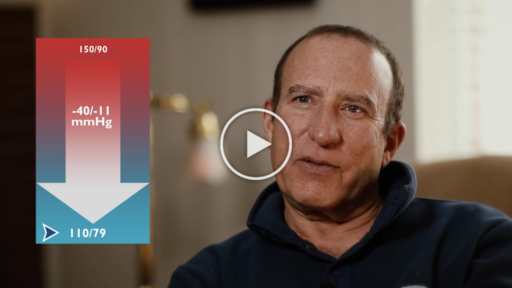
Watch How Mark Lowered His Blood Pressure Naturally.
It was 150/100, this morning it was 110/79
One 2021 trial tested it in 63 adults with high blood pressure at public health clinics. They did four 2-minute squeezes with 1-minute rests, alternating hands. Sessions ran three times a week for 12 weeks. Office systolic pressure fell from 129 to 121 mmHg, while the control group stayed at 126. However, 24-hour readings did not change.
How to Do Isometric Exercises
As a start, Mayo Clinic Health System suggests these moves:
- Wall sit: lean your back against a wall. Bend your knees to 90 degrees, with knees right above your ankles.
- Standing wall plank: rest your elbows and forearms on a wall and hold for 20 seconds.
- Floor plank on your knees: hold for 20 seconds. Later, lift your knees for a full plank.
Over time, work up to holding each position for 2 minutes. The plan is four sets, with a few minutes of rest between them, three times a week. Breathe slowly in and out the whole time.
For handgrip training, the trials used a grip device set to 30% of each person’s maximum squeeze. A trainer or your doctor can help you find the right effort.
Safety Tips Before You Start
Isometric exercise for blood pressure is simple, but it needs care. According to Mayo Clinic, hard isometric work can cause a dramatic rise in blood pressure during the exercise. So keep these points in mind:
- Check with your doctor first if you have high blood pressure or any heart problem.
- If you have high blood pressure, start at a lower intensity.
- Never hold your breath or strain. Mayo Clinic warns this may cause a dangerous rise in blood pressure.
- Keep taking any blood pressure medicine your doctor prescribed.

Watch how Julie Lowered her Blood Pressure Naturally.
It was 170/110, this morning it was 120/80
Learn More

What about every day instead of three times a week? The handgrip trial above and the Mayo Clinic Health System plan both use three sessions a week. Ask your doctor before you train more often.
A Note on Loaded Carries
Farmer’s carries, where you walk while holding weights at your sides, build grip strength. Still, we could not find trials showing they lower resting blood pressure. In fact, one small 2024 study found a 30-second carry raised systolic pressure by about 12 mmHg in young adults. So treat carries as strength work, and check with your doctor first.
Where Isometric Exercise Fits in Your Plan
Isometric exercise for blood pressure is just one part of a bigger routine. For the other habits that help, read our guide to lifestyle choices for high blood pressure. To learn how blood pressure changes over the years, see high blood pressure and age.
How to Lower Blood Pressure Naturally
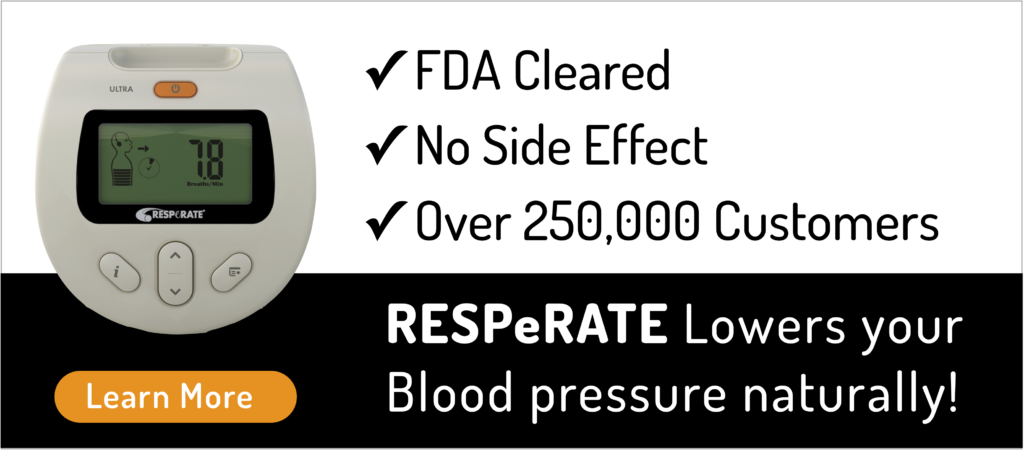
A few short isometric holds each week are one simple step toward a heart-healthy routine. RESPeRATE is an FDA-cleared device clinically shown to lower blood pressure through device-guided slow breathing. It works alongside your physician-directed treatment plan, not instead of it. See how RESPeRATE works and whether it fits your daily routine.


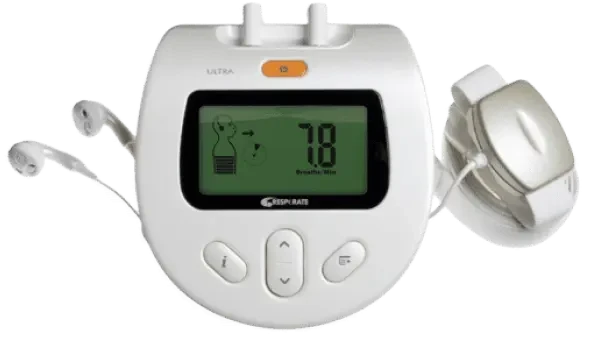
 Clinically proven

 Eli




