
 Brian Fairchild

Getting real sleep on airplanes can feel impossible in a coach seat built for someone smaller than you. So it doesn’t have to be that way. We asked around, including a long Quora thread of airline workers and frequent flyers. Here are the tips that come up again and again. One frequent flyer summed up the seating strategy well: pick a window, exit-row, or bulkhead seat. Those give you the best shot at uninterrupted sleep, since you are not depending on a stranger to let you out.
Stay Hydrated and Skip the Alcohol
Staying comfortable starts with what you drink. Skip the alcohol on a red-eye. It might make you drowsy at first, but a full meal typically arrives about ninety minutes after takeoff. Drinking then can leave you dehydrated later in the flight. Water is the better choice. According to NIH-funded research on alcohol and sleep, even a moderate drink can disrupt the second half of a night’s sleep. In fact, that’s exactly the effect you don’t want mid-flight.
Support Your Head, Neck, and Body
Keeping your head still helps you stay asleep. An inflatable neck pillow beats one stuffed with filling, since it holds its shape without flopping.
It was 150/100, this morning it was 110/79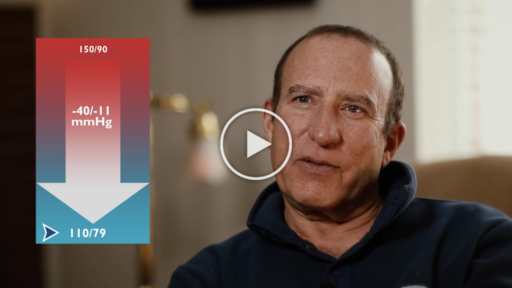
Watch How Mark Lowered His Blood Pressure Naturally.
Many seatback headrests also have wings that fold in for side support, though they are easy to miss. Ask a flight attendant if yours does this. Comfort matters just as much below the neck. Dress in layers and skip the jeans. Pick whatever combination of shirt and sweater keeps you warm without overheating. Either way, being too hot or too cold will wake you up.
Block Out Light, Noise, and Screens
Skip the in-flight movie if you actually want to sleep on airplanes. Screens signal daytime to your brain and can delay the melatonin release that makes you sleepy.
The National Institute of General Medical Sciences notes that light from electronic devices at night can confuse the body’s internal clock. That clock is the same system that governs your sleep-wake cycle.
It was 170/110, this morning it was 120/80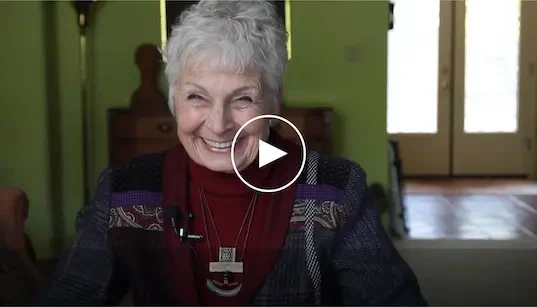
Watch how Julie Lowered her Blood Pressure Naturally.


Pack the basics: an eye mask, earplugs or noise-canceling headphones, and something to block cabin noise. A hood or a scarf around your eyes works in a pinch. The goal is to create a small pocket of darkness and quiet in a place that has none.
Time Your Flight to Help You Sleep on Airplanes
Red-eye timing changes everything. A 5 p.m. departure from JFK to London leaves most passengers wide awake for the flight. Many only doze off right before landing. The same route at 10 p.m. lines up much better with your body’s normal sleep cycle. When you have a choice, book the later flight. Finally, mindset matters too. Stress and anxiety make it harder to sleep anywhere, planes included. Try to relax into the trip instead of fighting it.
How to Lower Blood Pressure Naturally
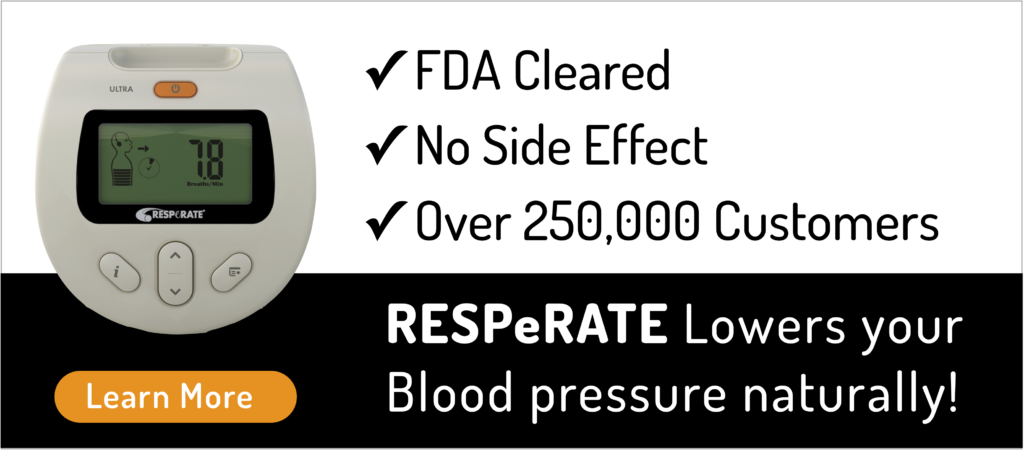
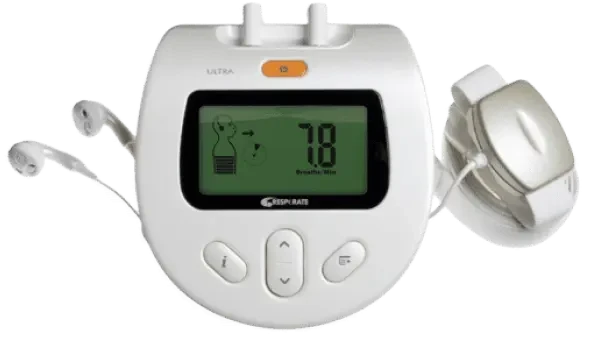
None of this replaces good blood pressure habits once you land, though poor sleep and travel stress can push your numbers up temporarily. RESPeRATE is an FDA-cleared device that uses guided slow breathing to help lower blood pressure as part of your overall health program. It works alongside your physician-directed treatment plan rather than replacing it, on the ground or in the air.
For more on sleep and blood pressure, browse our Sleep blog collection or read about how sunlight affects blood pressure through nitric oxide.


 Clinically proven

 Eli





Comments