
 Brian Fairchild

Balela salad is a Middle Eastern chickpea salad built on ingredients that the DASH diet was essentially designed around: chickpeas, cucumber, tomato, olive oil, lemon, fresh herbs, and a pinch of sumac. There is no complicated technique and no hard-to-find ingredients. The result is a bowl that delivers potassium, magnesium, and fiber in a single serving, with sodium well within the range that supports healthy blood pressure.
The original version of this recipe called for 2 teaspoons of salt, which is approximately 4,700mg of sodium. The DASH diet recommends staying under 2,300mg for the entire day. We have reduced the salt to 1/4 teaspoon and added lemon juice and sumac to carry the flavor instead. You can adjust to taste, but most people find the citrus and sumac do enough work that they do not miss the salt.
Why This Recipe Is DASH-Friendly
The DASH diet works by loading meals with four minerals that help regulate blood pressure: potassium, magnesium, calcium, and fiber. Most people are not deficient in sodium. They are deficient in these four. Balela salad addresses three of the four in a single dish.
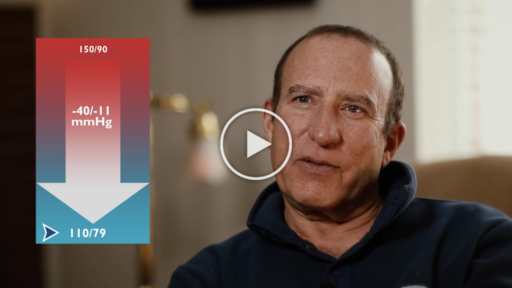
Watch How Mark Lowered His Blood Pressure Naturally.
It was 150/100, this morning it was 110/79
Reference Table
The table below breaks down what each ingredient contributes to a DASH-compliant eating plan and why it matters for blood pressure management. Use it as a quick reference when shopping or meal planning.
| Ingredient | DASH Role | Key Nutrients / Why It Matters |
|---|---|---|
| Chickpeas (4.5 cups) | Legume / Core | Approximately 582mg potassium and 96mg magnesium per cup cooked. High fiber (15g/cup) slows digestion and blunts blood glucose spikes. Plant protein (18g/cup) replaces higher-sodium meat options. One of the most potassium-dense legumes available. |
| Tomatoes (4 medium) | Vegetable | Rich in potassium and lycopene, an antioxidant associated with cardiovascular benefit. Low sodium. Add volume and body without adding processed ingredients. |
| Cucumber (4 small) | Vegetable | High water content, naturally low in sodium. Provides a small amount of potassium and vitamin K. Contributes to hydration, which supports vascular function. |
| Extra Virgin Olive Oil (1/3 cup) | Healthy Fat | Monounsaturated fat associated with reduced blood pressure in clinical research. Contains polyphenols with anti-inflammatory properties. DASH explicitly includes healthy fats; EVOO is the recommended choice. |
| Lemon juice (1/3 cup) | Flavor / Sodium Replacer | Citric acid brightens flavor and reduces the perceived need for salt. Provides vitamin C and a small amount of potassium. Central to keeping this recipe low-sodium without tasting flat. |
| Green onions (1.5 cups) | Vegetable | Low-calorie, low-sodium source of potassium and vitamin C. Add flavor without salt. |
Key Spices, Herbs, and Flavor Carriers
| Ingredient | DASH Role | Key Nutrients / Why It Matters |
|---|---|---|
| Parsley | Herb | High in vitamin K and vitamin C. Contains apigenin, a flavonoid with mild vasodilatory properties in preliminary research. Adds brightness without sodium. |
| Mint leaves | Herb | Mild anti-inflammatory properties. Contributes freshness and digestive benefit. Zero sodium. |
| Garlic (3 cloves) | Flavor / Cardiovascular | Allicin, the active compound in raw garlic, has shown blood pressure-lowering effects in multiple clinical trials. Raw garlic in the dressing preserves allicin content better than cooked. |
| Sumac (1.5 tsp) | Spice / Antioxidant | A 2024 narrative review found that all four clinical trials studying sumac showed significant reductions in systolic blood pressure. Mechanism involves antioxidant activity and nitric oxide production. Adds tartness that further reduces salt dependency. |
| Salt (reduced to 1/4 tsp) | Modified | Original recipe called for 2 tsp (~4,700mg sodium). DASH daily limit is 2,300mg. Reduced to 1/4 tsp (~600mg per recipe, ~100mg per serving). Lemon and sumac carry the flavor load. |
| Red pepper (2 small) | Vegetable | Good source of vitamin C and potassium. Adds sweetness and color. Low sodium. |
The Ingredients
This recipe serves six. All measurements reflect the DASH-modified version.
- 4.5 cups cooked chickpeas (canned is fine; rinse well to reduce sodium by approximately 40%)
- 4 medium tomatoes, finely diced
- 4 small cucumbers (English or Persian), finely diced
- 2 small red peppers, finely diced
- 5 green onions, chopped (about 1.5 cups)
- 1/3 cup extra virgin olive oil
- Juice and zest of 2 lemons (about 1/3 cup juice)
- Small handful of fresh parsley leaves
- Small handful of fresh mint leaves
- 3 garlic cloves, minced
- 1/4 teaspoon salt (reduced from original 2 teaspoons; season to taste)
- 1.5 teaspoons sumac
How to Make It
Finely dice the tomatoes, cucumbers, red peppers, and green onions. Remove herb stems and leave parsley and mint as whole leaves or roughly chop them. Mince the garlic and add it to a small bowl with the lemon juice, lemon zest, and olive oil. Whisk to combine.
Add the chickpeas and all diced vegetables to a large serving bowl. Pour the dressing over the top. Sprinkle sumac and a pinch of salt. Toss gently to combine.
Resting and Storage
Taste before adding more salt. The lemon and sumac carry significant brightness. Most people find that no additional salt is needed.
The salad is good immediately. It is better after 15 to 20 minutes of resting, which allows the chickpeas to absorb the dressing. It keeps well refrigerated for up to three days.
Watch how Julie Lowered her Blood Pressure Naturally.
It was 170/110, this morning it was 120/80
Learn More

Substitutions and Modifications
The recipe works well as written for most adults following a DASH-style eating plan. A few common variations:
If you cannot find sumac, a squeeze of extra lemon juice gets you part of the way there. Sumac has a deeper, earthier tartness than citrus alone, and the blood pressure research is specific to sumac, not lemon. It is worth finding at a Middle Eastern grocery or online.
If you are using canned chickpeas, rinse them under cold water for at least 30 seconds. This removes approximately 40 percent of the added sodium from the canning liquid. Low-sodium canned chickpeas are a good option if available.
Roasted vegetables work well as a variation. Roasting the tomatoes, peppers, and garlic with a small amount of olive oil before combining them with the chickpeas deepens the flavor considerably. Keep the cucumber raw for texture contrast.
The salad pairs well with whole-grain pita for a more complete DASH meal. A DASH serving of grains is one slice of whole-grain bread or half a whole-grain pita.
How RESPeRATE Fits In
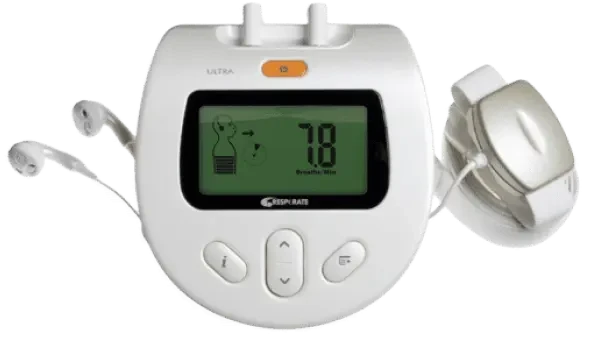
Diet is one part of the picture for people managing blood pressure. RESPeRATE addresses another part: the physiological stress response. The device uses guided slow breathing to activate the parasympathetic nervous system, which reduces vascular resistance and lowers blood pressure over time. It is FDA-cleared and backed by over 52 clinical studies.
Most users find that combining dietary changes like DASH with a regular breathing practice produces better results than either approach alone. Learn more at resperate.com.
The Bottom Line
Balela salad is the rare recipe that earns a DASH designation on the merits of its actual ingredients. The chickpeas alone make it worth making: over 500mg of potassium, nearly 100mg of magnesium, and 15 grams of fiber per cup. Add sumac with a clinical track record on systolic blood pressure, raw garlic with its well-documented cardiovascular benefits, and olive oil that performs well in blood pressure research, and you have a bowl that works as hard as it tastes good.


 Clinically proven

 Eli




