
 Eli Ben-Yehuda

Coffee and Your Cardiovascular System
Coffee is one of the most widely consumed beverages in the world, and for many people, it is a daily ritual. Beyond its rich flavor and energizing effect, coffee contains hundreds of biologically active compounds, including caffeine, antioxidants, and polyphenols. These components can influence the cardiovascular system in both short-term and long-term ways.
Caffeine is a natural stimulant that affects the central nervous system. After consumption, it can temporarily increase heart rate and constrict blood vessels, leading to a short-term rise in blood pressure. This effect is usually mild to moderate and may last several hours. However, the body often adapts to regular caffeine intake, which can reduce its impact over time.
Understanding how coffee interacts with blood pressure requires looking at both immediate responses and long-term patterns of consumption. The relationship is more nuanced than many headlines suggest.
Does Coffee Raise Blood Pressure?
Research shows that caffeine can cause a temporary spike in blood pressure, even in people without hypertension. For individuals who already have high blood pressure, this short-term rise may be more noticeable. However, the increase is typically modest and not necessarily harmful in otherwise stable patients.
Interestingly, habitual coffee drinkers often develop tolerance to caffeine’s pressor effects. This means that regular consumers may experience smaller blood pressure changes compared to those who drink coffee occasionally. Some studies suggest that moderate coffee intake does not significantly increase long-term hypertension risk for most people.
That said, responses to caffeine vary widely. Genetics, age, medication use, and overall cardiovascular health can all influence how someone reacts to coffee. For certain individuals, especially those sensitive to caffeine, even small amounts may lead to palpitations or elevated readings.

Coffee, Hypertension, and Long-Term Risk
When examining long-term data, moderate coffee consumption has not consistently been linked to higher rates of cardiovascular disease. In fact, some observational studies associate moderate coffee intake with a reduced risk of heart disease and stroke. These potential benefits are thought to stem from coffee’s antioxidant and anti-inflammatory properties.
However, it is important to distinguish between filtered and unfiltered coffee. Unfiltered coffee, such as French press or boiled coffee, contains higher levels of diterpenes, compounds that may raise LDL cholesterol. Elevated LDL cholesterol is a known risk factor for heart disease, which indirectly affects blood pressure management.
For people with uncontrolled hypertension, healthcare providers often recommend monitoring blood pressure before and after coffee consumption. This simple check can help determine individual sensitivity and guide safe intake levels.
How Much Coffee Is Considered Safe?
For most healthy adults, up to 400 milligrams of caffeine per day—roughly three to four cups of brewed coffee—is considered safe. Individuals with hypertension may not need to eliminate coffee entirely, but moderation is key. Limiting intake to one or two cups per day and avoiding caffeine close to blood pressure checks can help ensure accurate readings.
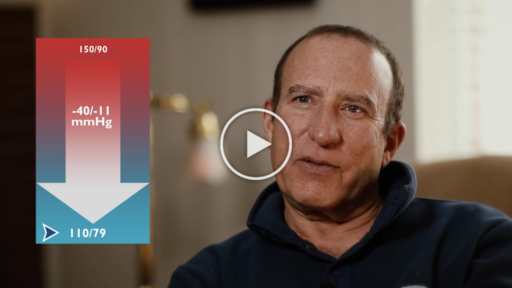
Watch How Mark Lowered His Blood Pressure Naturally.
It was 150/100, this morning it was 110/79
Timing also matters. Drinking coffee before exercise, during periods of stress, or late in the day may amplify its effects. Additionally, sugary coffee drinks and high-calorie creamers can contribute to weight gain, which is a significant risk factor for high blood pressure.
Switching to half-caf or decaffeinated options may provide the flavor and antioxidant benefits of coffee with less impact on blood pressure. Decaffeinated coffee still contains many of the beneficial plant compounds found in regular coffee.
Practical Tips for Blood Pressure Control
Managing blood pressure effectively involves more than focusing on a single beverage. A heart-healthy diet rich in fruits, vegetables, whole grains, lean protein, and healthy fats remains the foundation of hypertension management. Regular physical activity, stress reduction, and adequate sleep are equally important.
If you enjoy coffee, pay attention to how your body responds. Check your blood pressure about 30 to 60 minutes after drinking a cup to see whether it rises significantly. If the increase is more than 5 to 10 mm Hg, you may be particularly sensitive to caffeine.
The truth about coffee and blood pressure control is that moderation and personalization matter most. For many people, moderate coffee consumption can fit within a balanced, heart-healthy lifestyle. Making informed choices and working with a healthcare provider ensures that your daily cup supports, rather than undermines, your cardiovascular health.


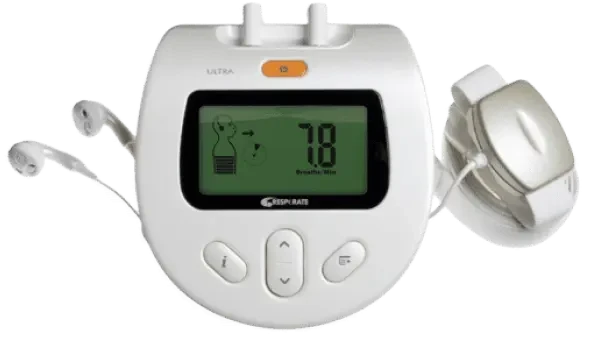
 Clinically proven





Comments
3 Replies to “The Truth About Coffee and Blood Pressure Control”
It would probably depend on the individuals sensitivity to caffeine. I have noticed no overall increase in BP with moderate coffee consumption. I suspect it’s more of an issue of animal products that damage the endothelium.
Is the coffee use in the study decaffeinated or not?
Hi, No it is not decaf. Eli
Comments are closed.