
 Brian Fairchild

Blue light and sleep do not mix well. Phones, tablets, and computers all give off blue light. At night, that light can make it harder to fall asleep. Here is what the research shows and what you can do about it.
How Light Affects Your Sleep Clock
Your body runs on a daily clock, called your circadian rhythm. A hormone called melatonin helps set that clock. According to Harvard Health Publishing, light exposure suppresses melatonin.
Any kind of light can do this. However, Harvard Health says blue light at night does it more powerfully.
What Research Shows About Blue Light and Sleep
Blue Light vs. Green Light
Harvard Health describes one experiment with blue or green light of similar brightness. People sat in the light for 6.5 hours. The blue light suppressed melatonin for about twice as long. It also shifted circadian rhythms by 3 hours, compared with 1.5 hours for green light.
Reading on a Screen vs. a Printed Book
A 2015 study compared reading on a light-emitting e-reader with reading a printed book before bed. With the e-reader, people took longer to fall asleep and felt less sleepy in the evening. They also had less melatonin and a later body clock. The next morning, they were less alert.
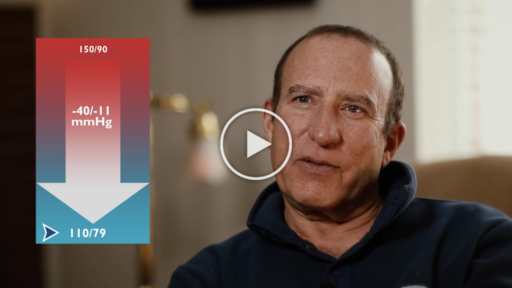
Watch How Mark Lowered His Blood Pressure Naturally.
It was 150/100, this morning it was 110/79
Screens before bed are common, too. That study also cites a survey of 1,508 American adults. In it, 90% used electronics within an hour of bedtime at least a few nights a week.
What About Your Eyes?
You may have heard that blue light from screens damages your eyes. However, the American Academy of Ophthalmology says there is no scientific evidence of that. The bigger concern is the link between blue light and sleep.
How to Limit Blue Light at Night
A few simple changes can protect your sleep:
- Put screens away 2 to 3 hours before bed. Both Harvard Health and the American Academy of Ophthalmology suggest this.
- Use dim red lights for night lights. According to Harvard Health, red light is less likely to shift your body clock or suppress melatonin.
- Get plenty of bright light during the day. Harvard Health says this helps you sleep at night and stay alert by day.
- Read a printed book in bed instead of a backlit screen.
Watch how Julie Lowered her Blood Pressure Naturally.
It was 170/110, this morning it was 120/80
Learn More

What about blue-light filters? For heavy nighttime device users, Harvard Health suggests blue-blocking glasses or a blue-light filter app. Even so, the American Academy of Ophthalmology does not recommend blue-blocking glasses for computer use. So, putting the screen away is the simplest fix for blue light and sleep problems.
Why Better Sleep Matters for Your Heart
Good sleep affects more than your mood. For example, it plays a role in heart health and blood pressure. To learn more, read what quality sleep does for your body and heart.
Sometimes sleep problems linger even after you cut back on screens. If so, try the steps in our guide on how to beat insomnia. Also, talk with your doctor if poor sleep lasts.
How to Lower Blood Pressure Naturally
A screen-free wind-down is one simple step toward a heart-healthy routine. RESPeRATE is an FDA-cleared device clinically shown to lower blood pressure through device-guided slow breathing. It works alongside your physician-directed treatment plan, not instead of it. See how RESPeRATE works and whether it fits your daily routine.


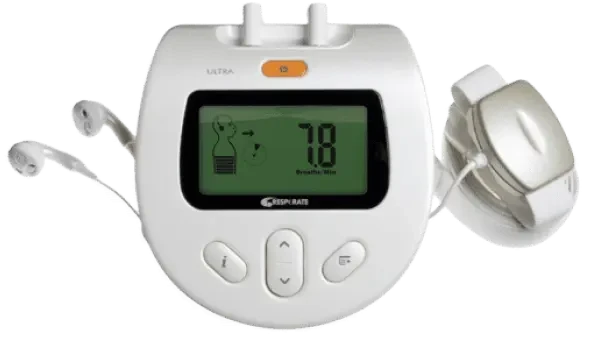
 Clinically proven

 Eli





Comments