
 Brian Fairchild
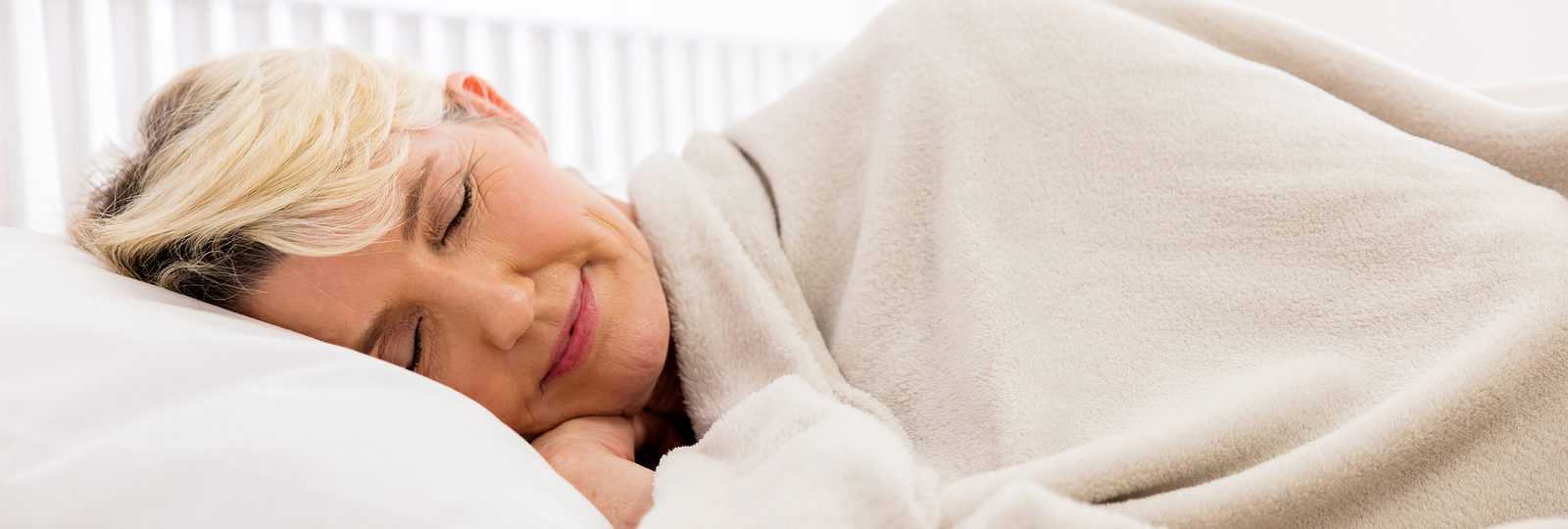
Quality sleep does far more than help you feel rested. It affects your heart, your weight, your mood, and how well you think. This post covers how much sleep adults need and what good sleep does for you. It also covers signs that something is in the way.
How Much Quality Sleep Do Adults Need?
The CDC recommends 7 or more hours of sleep a day for adults ages 18 to 60. For ages 61 to 64, it recommends 7 to 9 hours. Adults 65 and older need 7 to 8 hours.
Hours are only part of the picture, though. The NHLBI explains that sleep deficiency covers more than too little sleep. It also includes sleeping at the wrong time of day, poor-quality sleep, and sleep disorders.
What Quality Sleep Does for Your Body
According to the NHLBI, good-quality sleep helps your body in several ways:
- Heart: it heals and repairs your heart and blood vessels.
- Weight: it supports a healthy balance of the hormones that control hunger and fullness.
- Blood sugar: it affects how your body reacts to insulin.
- Immunity: it affects your ability to fight germs and sickness.
Sleep also matters for blood pressure. NHLBI research links 7 to 8 hours of sleep a night to a lower risk of obesity and high blood pressure. Similarly, the CDC says enough sleep can help lower your risk of heart disease, high blood pressure, and stroke. Type 2 diabetes is on its list, too.
Quality Sleep and Your Brain
Your mind benefits too. The NHLBI notes that a good night’s sleep improves learning and problem-solving skills. Sleep also helps you pay attention, make decisions, and be creative.
On the other hand, the NHLBI links sleep deficiency to depression and risk-taking behavior. It can also make driving dangerous. In fact, the NHLBI says studies show sleep deficiency harms driving ability as much as or more than being drunk.
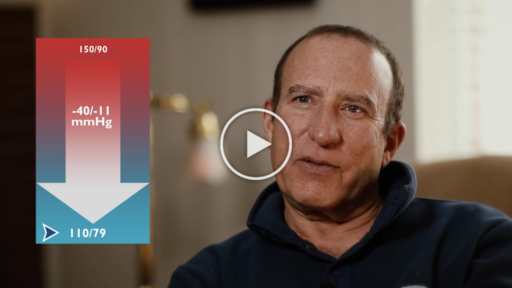
Watch How Mark Lowered His Blood Pressure Naturally.
It was 150/100, this morning it was 110/79
Signs You Are Not Getting Quality Sleep
Poor sleep often shows up during the day. According to the NHLBI, you might have trouble learning, focusing, and reacting. Sleep deficiency can also interfere with work, school, driving, and social life.
Pay attention to how you feel, not just the clock. Do you sleep more than 8 hours but still feel tired? If so, the NHLBI advises talking with your doctor. The same goes if your job or routine keeps you from sleeping enough.
Common Sleep Disorders That Disrupt Quality Sleep
Sleep disorders are common. The NHLBI estimates that 50 to 70 million Americans have chronic sleep disorders. Three of the best known are below.
Insomnia
Insomnia means trouble falling asleep, staying asleep, or getting good-quality sleep. For practical steps, including the therapy doctors recommend first, read our guide on how to beat insomnia.
Sleep Apnea
With sleep apnea, your breathing stops and restarts many times while you sleep. The NHLBI suggests telling your provider if you snore or gasp for air during sleep. Excessive daytime sleepiness is another symptom. Untreated sleep apnea increases the risk of stroke, heart attack, and other serious problems.
Treatment options include CPAP machines and lifestyle changes, according to the NHLBI.

Watch how Julie Lowered her Blood Pressure Naturally.
It was 170/110, this morning it was 120/80
Learn More

Restless Legs Syndrome
Restless legs syndrome causes an irresistible urge to move the legs. Symptoms commonly appear in the late afternoon or evening, often when you sit still. As a result, it can make it hard to fall asleep or get back to sleep. The NIH lists cutting back on alcohol, nicotine, and caffeine as helpful steps.
Simple Steps Toward Quality Sleep
Small habits add up. Here are a few places to start:
- Keep a consistent sleep and wake schedule, even on weekends.
- Limit caffeine, nicotine, and alcohol, especially late in the day.
- Get regular, moderate exercise.
- Watch what you eat in the evening. Our post on foods to avoid before bed covers the main culprits.
If poor sleep lasts for weeks, talk with your doctor. A sleep disorder may be the cause.
How to Lower Blood Pressure Naturally
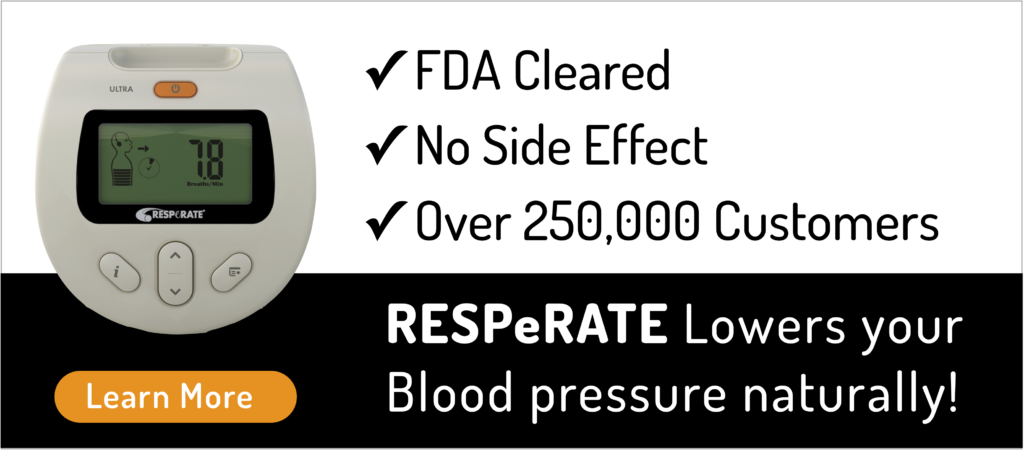
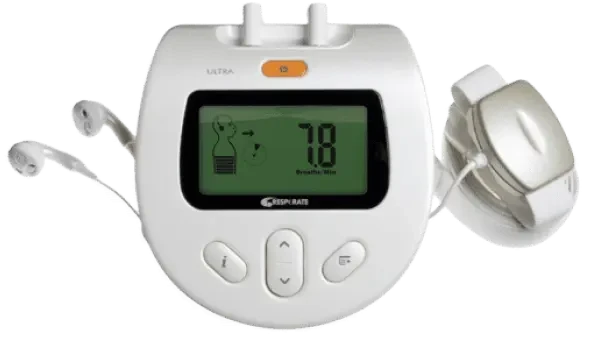
Quality sleep is one part of a heart-healthy routine. RESPeRATE is an FDA-cleared device clinically shown to lower blood pressure through device-guided slow breathing. It works alongside your physician-directed treatment plan, not instead of it. See how RESPeRATE works and whether it fits your daily routine.


 Clinically proven

 Eli





Comments