
 Brian Fairchild
Constipation and high blood pressure have more in common than most people would expect. The connection runs through the autonomic nervous system, the same network of nerves that governs both gut motility and blood vessel tone. When that system is disrupted, both conditions tend to appear together. Research now confirms the relationship is not coincidental.
A 2023 population-level matched cohort study published in Scientific Reports analyzed 541,172 hospitalized patients aged 60 and over in Australia. Patients with constipation had a significantly higher risk of hypertension (odds ratio 1.96), along with elevated risk of myocardial infarction, stroke, and other major cardiovascular events. A 2025 meta-analysis published in Annals of Medicine confirmed a hazard ratio of 1.10 for cardiovascular mortality in the general population, rising to 1.85 in patients with heart failure. These are not trivial associations.
It was 150/100, this morning it was 110/79
Watch How Mark Lowered His Blood Pressure Naturally.

What Is Constipation?
Constipation is defined clinically as fewer than three bowel movements per week, with stool that is hard, dry, or difficult to pass. Some clinicians also apply the definition when straining occurs during 25% or more of bowel movements, or when the sensation of incomplete evacuation is present 25% or more of the time.
The condition ranges from occasional and easily resolved to chronic and medically significant. Chronic constipation carries documented associations with cardiovascular disease, kidney disease, and metabolic dysfunction. All three also affect blood pressure.
How Constipation Affects Blood Pressure: Three Mechanisms
The Valsalva maneuver
Straining during a bowel movement requires bearing down while holding the breath. This abruptly raises intra-abdominal pressure, compresses the major veins, and reduces blood return to the heart. The immediate effect is a drop in cardiac output and blood pressure. The body responds by triggering a sharp compensatory spike in blood pressure and heart rate once the straining stops. For people with already elevated blood pressure, this spike can reach dangerous levels and in some cases trigger cardiac arrhythmias.
Vagus nerve stimulation
The vagus nerve connects the brain directly to the colon and plays a central role in regulating heart rate, blood pressure, and gut motility simultaneously. Constipation and the discomfort associated with straining can stimulate the vagus nerve through the gut-brain axis. This vagal stimulation can cause a sudden drop in blood pressure and heart rate, a response called vasovagal syncope. Blood rapidly redistributes from the head to the legs, which can cause dizziness or fainting. Fainting on the toilet carries a real risk of head injury. For more on how the autonomic nervous system connects to blood pressure, see our post on how stress affects blood pressure.
Autonomic nervous system dysregulation
A 2024 study in Hypertension Research found that constipation is associated with elevated blood pressure variability, a finding that reflects underlying autonomic dysfunction. Patients with reduced gut motility show impaired vagal function and overactivation of the sympathetic nervous system. Sustained sympathetic overactivation raises resting blood pressure and heart rate independently of any acute straining episode. This means chronic constipation may contribute to persistently elevated blood pressure beyond the situational spikes during bowel movements.
The Gut Microbiome Connection
Research published in the American Journal of Physiology in 2024 identified another layer to this relationship. Constipation is associated with changes in the gut microbiome that increase circulating levels of microbially produced metabolites. Some of these metabolites, including trimethylamine N-oxide (TMAO) and certain short-chain fatty acids in imbalanced concentrations, affect vascular tone, inflammation, and endothelial function. The gut microbiome is increasingly recognized as a regulator of cardiovascular health, and constipation represents one of the ways gut microbial imbalance reaches the cardiovascular system.
It was 170/110, this morning it was 120/80
Watch how Julie Lowered her Blood Pressure Naturally.


Dietary and Lifestyle Approaches
The same dietary and lifestyle changes that support bowel regularity also support blood pressure management. Both conditions share common upstream causes in the autonomic nervous system, gut health, and systemic inflammation. The DASH diet addresses both through its emphasis on fiber-rich whole foods, limited sodium, and adequate potassium.
Dietary fiber
Dietary fiber is the most evidence-based dietary intervention for chronic constipation. Soluble fiber, found in oats, legumes, apples, and psyllium husk, adds bulk and draws water into the stool. It also feeds beneficial gut bacteria that produce short-chain fatty acids supportive of both gut and cardiovascular health. Insoluble fiber, found in whole grains, vegetables, and nuts, speeds gut transit time. For a roundup of fiber-rich whole foods that also support blood pressure, see our guide to natural foods to lower blood pressure.
Hydration
The colon reabsorbs water from stool, and inadequate fluid intake hardens stool and slows transit. Drinking 6 to 8 glasses of water daily directly supports both bowel regularity and blood volume regulation. Staying well hydrated is one of the simplest dual-purpose interventions available.
Magnesium
Magnesium draws water into the intestines and relaxes intestinal smooth muscle, producing a gentle laxative effect. It also supports healthy blood pressure through vasodilation and reducing sympathetic nervous system activity. Low magnesium is associated with both constipation and hypertension, making it one of the more useful dual-purpose micronutrients for this population.
Regular aerobic exercise
Regular aerobic exercise increases gut motility by stimulating intestinal smooth muscle activity. It also reduces resting blood pressure over time by lowering sympathetic nervous system tone. Even a moderate daily walk produces both effects.
Bowel position
A squatting or elevated-foot position during bowel movements, achievable by placing a footstool under the feet while sitting on a conventional toilet, reduces the straining required for complete evacuation. This mechanical adjustment directly reduces the intensity of the Valsalva maneuver and the associated blood pressure spike.
Where RESPeRATE Fits
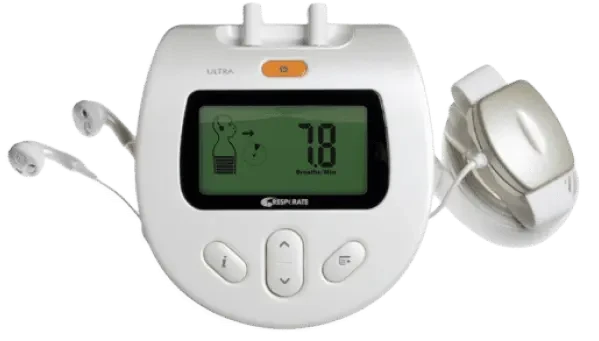
RESPeRATE addresses the sympathetic nervous system overactivation that connects chronic constipation to elevated blood pressure at the systemic level. Device-guided slow breathing with prolonged exhalation shifts the nervous system toward parasympathetic dominance, increasing vagal tone and reducing the resting sympathetic activity that both conditions share as a common driver. RESPeRATE is the only FDA-cleared non-drug device clinically proven to lower blood pressure. Use it as part of your overall health program alongside your physician-directed treatment plan. Review the full evidence at our clinical proof page.
Summary
The connection between constipation and high blood pressure is real, specific, and increasingly well-documented. It operates through the Valsalva mechanism, vagal nerve stimulation, autonomic nervous system dysregulation, and gut microbiome changes. A 2023 study of over 540,000 patients found that constipation nearly doubles the risk of hypertension. Dietary fiber, hydration, magnesium, regular exercise, and improved bowel positioning all address both conditions through shared mechanisms. For people managing blood pressure who also experience constipation, recognizing the connection is the first practical step.

 Clinically proven

 Eli
Eli 





Comments