
 Eli Ben-Yehuda
Stress is an unavoidable part of modern life—but can it really raise your blood pressure? Many people notice their readings spike during tense moments, from work deadlines to emotional conflicts, yet it’s not always clear whether stress is a temporary trigger or a true cause of hypertension. Understanding the connection is essential for protecting long-term heart health. Accurate at-home monitoring is part of that picture as well, and getting an accurate reading starts with something as simple as using the right cuff size.
Scientifically, stress activates the body’s “fight or flight” response, releasing hormones like adrenaline and cortisol that temporarily increase heart rate and constrict blood vessels. New brainstem research has identified a specific brain region behind that response, and shows how your breathing pattern can help calm it. See what the latest science says about your brain and blood pressure. This natural reaction prepares the body to respond to danger, but when stress becomes chronic, those short-term spikes may happen more often than we realize. Over time, this repeated strain can place added pressure on the cardiovascular system. External stimulants like caffeine and energy drinks can activate the same pathway — for a closer look at what this means for blood pressure specifically, see our post on energy drinks and high blood pressure.
Researchers continue to explore how stress interacts with other risk factors such as diet, sleep, physical activity, and genetics. While stress alone may not tell the whole story, growing evidence suggests it plays a meaningful role in blood pressure regulation—especially when it becomes a constant presence rather than an occasional challenge. Other underlying conditions can compound this effect; thyroid function, for example, has its own well-documented connection to blood pressure regulation.
What Research Shows
Many people believe that stress can cause high blood pressure directly. However, this is actually just a popular myth since blood pressure is not in fact ‘nervous tension’. So, can stress cause high blood pressure?
Research shows that short-term stress in response to a daily life event can cause blood pressure to rise temporarily, but the stress itself does not cause hypertension and once the stressful situation passes, BP returns to normal.
Some researchers, did find that with the proper exercise, Blood pressure reactivity to mental stress can be attenuated.
If you are diagnosed with high blood pressure (hypertension) this doesn’t mean you are ‘stressed’, ‘overly anxious’ or obsessive. In fact high blood pressure is diagnosed in people who are perfectly calm.
So, how can stress cause high blood pressure?
Chronic stress is believed to have an impact on high blood pressure, but why and to what extent is not yet known.
So if you do suffer from stress you should take steps to reduce it. In fact managing stress effectively will have positive knock on effects that could help to keep blood pressure low.
Modern digital habits are one increasingly common source of this chronic stress load. Doomscrolling, for example, keeps the same stress pathway activated well after the screen goes dark.
Decreasing levels of stress will help you feel healthier and happier, and can help to combat such coping mechanisms as overeating, drinking or smoking.
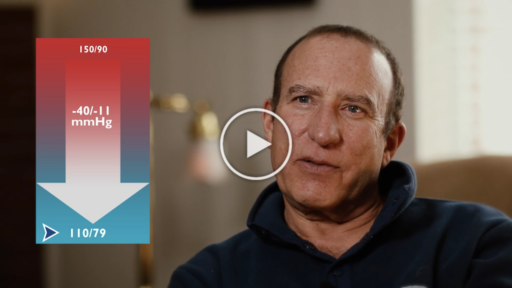
Watch How Mark Lowered His Blood Pressure Naturally.
It was 150/100, this morning it was 110/79
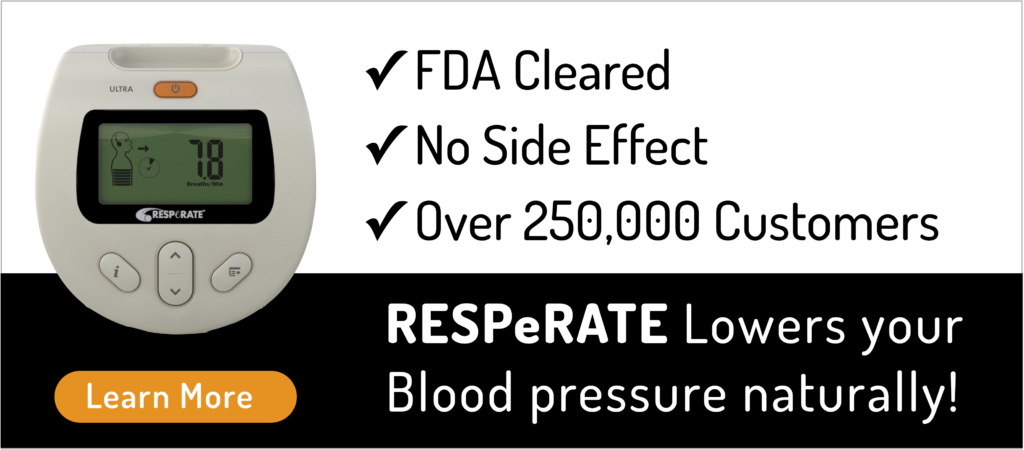
How to beat stress
Even the simplest of changes can help to alleviate stress, for example taking a daily walk in the fresh air. Taking up a relaxing hobby is another way many people successfully manage stress levels, with yoga, meditation or massage helpful. There are many other ways to destress and lower blood pressure. Laughter is another accessible option backed by real research, with several studies showing it can meaningfully reduce stress hormones and support healthier blood pressure.
New research has revealed that yoga might lower blood pressure. According to the report in Reuters Health, a review of past studies concluded that people practicing yoga reduced their systolic blood pressure by about 10 mm Hg and diastolic pressure by 7 mm Hg. They also found that yoga helped patients who were taking medications for hypertension.
Exercise to combat stress and lower blood pressure
Exercise in general can help reduce stress and manage weight, and being active will certainly help reduce your chances of getting high blood pressure. This doesn’t mean you have to join a gym, in fact here are some ways to quickly and easily incorporate more into your day.
- Walk rather than take the car to work
- Take the stairs rather than the escalator or elevator
- If you travel by bus get off a stop early and walk the rest of the way
- Cycle short journeys rather than take the car
- Walk a bit further every day with the dog
- Get out of the office at lunchtime and have a walk
- Think about activities you enjoy and find out where you can practice them e.g. at your local leisure center
If you have mobility issues it can be more difficult to fit activity into your day, but there are plenty of chair exercises you can try. Chair-based exercises are ideal for people with osteoarthritis or for individuals who have had back, knee or hip surgery.
Your doctor should be able to give you information about joining a chair-based exercise class. Suitable for people with low levels of fitness, exercises gently raise the heart rate.
In Closing
So, can stress really raise your blood pressure? Science suggests the answer is yes—particularly in the short term, and potentially over the long term when stress is ongoing. While a single stressful moment may only cause a temporary increase, repeated spikes can contribute to patterns that are harder for the body to recover from.
The good news is that stress is one of the few risk factors you can actively manage. Techniques such as regular exercise, mindfulness practices, quality sleep, and setting healthy boundaries have all been shown to help calm the nervous system and support healthier blood pressure levels. Small lifestyle changes can add up to meaningful cardiovascular benefits. Ongoing monitoring plays a role here too, and new wearable technology is starting to make passive detection of rising blood pressure more accessible than ever.
For a deeper look at how inflammation — not just blood pressure numbers — drives cardiovascular risk, and what you can do about it upstream, see our post on arterial inflammation and heart health.
Managing stress is one piece of a much larger picture. For a complete, step-by-step set of strategies covering diet, movement, breathing, and stress together, see our comprehensive guide to simple strategies to lower your blood pressure.

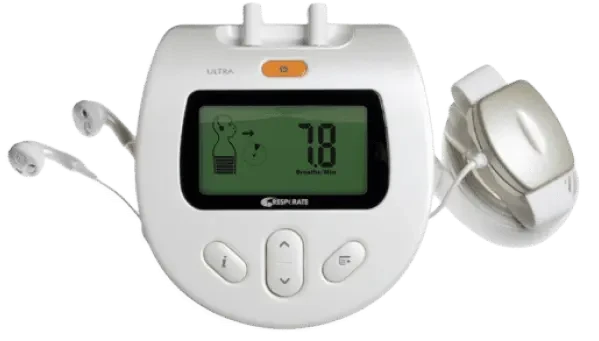
 Clinically proven

 Brian
Brian 




