
 Eli Ben-Yehuda
If you’ve been searching for a sustainable way to improve your heart health, the DASH Diet might be exactly what you need. Short for Dietary Approaches to Stop Hypertension, the DASH plan focuses on whole, nutrient-rich foods that help naturally support healthy blood pressure. With its emphasis on fruits, vegetables, whole grains, and lean proteins, it’s not just a diet. It’s a long-term lifestyle shift toward balance and vitality.
Why the DASH Diet Works
Studies have consistently shown that following the DASH plan can meaningfully reduce blood pressure, lower cholesterol, and decrease the risk of heart disease and stroke. Cutting back on sodium and processed foods while increasing potassium, calcium, and magnesium gives your body what it needs to function well throughout the day. Beyond heart health, the DASH Diet supports mindful eating and balanced meals, whether your goal is managing hypertension, losing weight, or simply feeling more energized.
Everyone talks about DASH Diet, but what exactly is it?
Today there are a plethora of diets to choose from that claim to lower blood pressure. But with so many different diets and fads to choose from, which is the best for you?
Today I want to take a look at the DASH diet. DASH is an acronym for, “Dietary Approaches to Stop Hypertension”. One question we want to consider is how a dietary approach like DASH supports healthier blood pressure when used alongside your physician-directed treatment plan. We will answer that question after reviewing the DASH diet.
What Is High Blood Pressure?
High blood pressure is blood pressure higher than 140/90 mmHg** Blood pressure is usually measured in millimeters of mercury, or mmHg. , and pre-hypertension is blood pressure between 120/80 and 139/89 mmHg.
But high blood pressure can be prevented and lowered if you take these steps: Follow a healthy eating plan, that includes foods low in sodium.
Maintain a healthy weight and be moderately physically active for at least 2 and a half hours per week. If you drink alcoholic beverages, do so in moderation. If you already have high blood pressure and your doctor has prescribed medicine, take your medicine, as directed, and follow these steps.
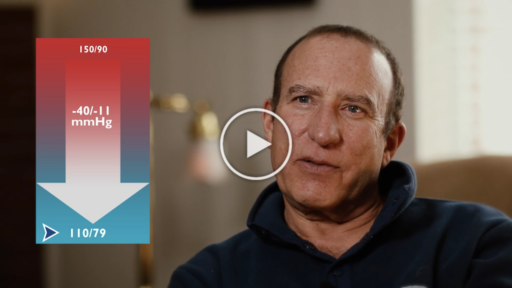
Watch How Mark Lowered His Blood Pressure Naturally.
It was 150/100, this morning it was 110/79
Dash Diet – How does it work?
When following a specific diet some require that you buy this supplement, that powder, and cleanse. This can be costly to your wallet and can actually add more stress and cause you to quit before you see any changes. In this case, you become more frustrated than before.
With the DASH diet eating plan there are no special foods and no hard fast rules to follow. Seems simple already. It seems that hard fast rules are harder to follow, which is another tipping point for people.
I myself find that I can only maintain the hard fast rules for so long and then I crash. The end result is much worse than when I started.
What Does the DASH Eating Plan Actually Include?
The DASH eating plan is rich in fruits and vegetables. It also includes fat-free or low-fat dairy, whole grains, fish, poultry, beans, seeds, and nuts. It also contains less sodium, sweets, added sugars, and beverages containing sugar; fats; and red meats than the typical American diet.
This heart-healthy way of eating is also lower in saturated fat, trans fat, and cholesterol. It is rich in nutrients linked to lower blood pressure, mainly potassium, magnesium, calcium, protein, and fiber.
Here is a short video explaining how DASH diet works:
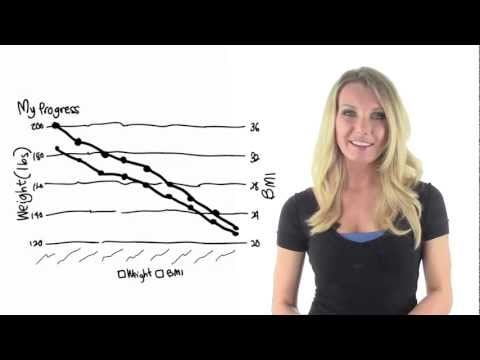
Making A DASH For It
Even if you are vegan or vegetarian you can follow the DASH diet. Beans, seeds, nuts are all important parts of the DASH diet.
Substitutions of meat, fish, or poultry can be made using any acceptable protein-rich, non-animal product. The DASH diet itself is a compromise. It delivers the blood pressure benefits of vegetarian and vegan eating in a plan designed to suit a broad range of people.
How Many Servings Do You Actually Need?
The DASH diet outline how many servings are needed each day from various food groups, based on calorie levels. The standard DASH plan is based on 2,000 calories a day.
If you are trying to lose weight and want to eat fewer calories, the 1600-calorie version might be a better place to start. The following chart lists the food groups and daily servings recommended by the DASH diet, as well as portion sizes and tips to incorporate them into your meals.
Caloric Chart For The DASH Diet
Again we must reiterate the DASH eating plan requires no special foods and has no hard-to-follow recipes. It simply calls for a certain number of daily servings from various food groups. The number of servings depends on the number of calories you’re allowed each day.
Your calorie level depends on your age and, especially, how active you are. Think of this as an energy balance system—if you want to maintain your current weight, you should take in only as many calories as you burn by being physically active.
If you need to lose weight, eat fewer calories than you burn or increase your activity level to burn more calories than you eat.
The DASH diet outline how many servings are needed each day from various food groups, based on calorie levels. The standard DASH plan is based on 2,000 calories a day. If you are trying to lose weight and want to eat fewer calories, the 1600-calorie version might be a better place to start.
Again think of food as fuel. If you are driving long distances you will need to fill the tank more often than if you are just going for a drive to a friends house. Too many times we see eating as a comfort, a release, an excuse.
Eating is a very social activity so we often overeat causing ourselves to increase our weight. I had to mentally make the switch over because too many times I would find myself eating when I was not hungry.
What is your physical activity level?
- Sedentary? You do only light physical activity that is part of your typical day-to-day routine.
- Moderately active? You do physical activity equal to walking about 1 to 3 miles a day at 3 to 4 miles per hour, plus light physical activity.
- Active? You do physical activity equal to walking more than 3 miles per day at 3 to 4 miles per hour, plus light physical activity.
Shaking Off The Salt:
Depending on your physical activity there is a corresponding amount for caloric intake. The more active a person is the more calories they will burn throughout the day. The less active you are the fewer calories you need to consume. It goes back to the gas tank analogy.
Choose and prepare foods with less sodium and salt. Leave the salt shaker off the table entirely.
Be creative. Try herbs, spices, lemon, lime, vinegar, wine, and salt-free seasoning blends in cooking and at the table. And, because most of the sodium that we eat comes from processed foods, be sure to read food labels to check the amount of sodium in different food products.
Aim for foods that contain 5 percent or less of the Daily Value of sodium. Foods with 20 percent or more Daily Value of sodium are considered high. These include baked goods, certain cereals, soy sauce, and some antacids —the range is wide.

Watch how Julie Lowered her Blood Pressure Naturally.
It was 170/110, this morning it was 120/80
Learn More

Rome Wasn’t Built In A Day:
Depending on your physical activity there is a corresponding amount for caloric intake. The more active a person is the more calories they will burn throughout the day. The less active you are the fewer calories you need to consume. It goes back to the gas tank analogy.
Add a serving of vegetables at lunch one day and dinner the next. Add fruit at one meal or as a snack too. Increase your use of fat-free and low-fat milk products to three servings a day. Limit lean meats to 6 ounces a day—3 ounces a meal, which is about the size of a deck of cards.
If you usually eat large portions of meat, cut back gradually over a couple of days. Aim to reduce each portion by half or a third. Include two or more vegetarian-style, or meatless, meals each week.
Increase servings of vegetables, brown rice, whole wheat pasta, and cooked dry beans. Try casseroles and stir-fry dishes, which have less meat and more vegetables, grains, and dry beans.
For snacks and desserts, choose fruits or other foods low in saturated fat, trans fat, cholesterol, sodium, sugar, and calories. Good options include unsalted rice cakes, unsalted nuts or seeds, raisins, graham crackers, fat-free or low-fat yogurt, popcorn with no salt or butter, and raw vegetables. Use fresh, frozen, or low-sodium canned vegetables and fruits.
Our Final Thoughts:
Lifestyle modifications remain the best way to support healthy blood pressure. There will be setbacks. The goal is to keep going anyway, with people around you who encourage rather than question your effort.
The DASH diet has proven, time and again, that it works when the guidelines are followed. It is not a fad. It is a sensible, sustainable shift in your relationship with food.
Adopting the DASH Diet is more than a dietary change. It is a step toward a heart-healthy, balanced life. Many followers notice better digestion, steadier energy, and a stronger sense of well-being alongside improved blood pressure over time.
Best of all, DASH adapts to your tastes, culture, and routine without sacrificing flavor. If you’re ready to make a change that matters, start today. Your journey to a healthier heart begins one meal at a time.

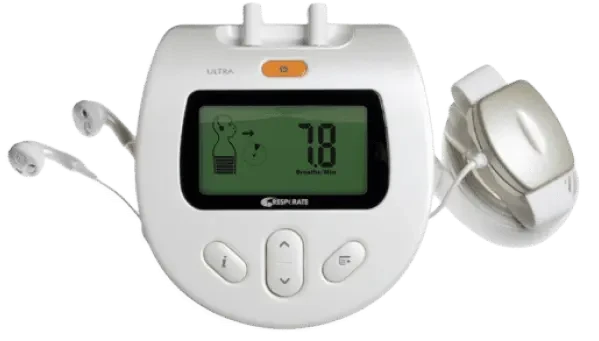
 Clinically proven

 Brian
Brian 





Comments
5 Replies to “How the DASH Diet Can Help You Achieve a Healthier Heart and Lifestyle”
I am 80 years old, and I have high blood pressure, for which I am ingesting 4 pills.
Can anyone at your level, write me a daily diet plan, 7 days per week, that will lower
my high blood pressure, without ingesting my prescriptions? In addition, I am a
amateur bodybuilder.
Dear Dennis, You would need to speak with a registered dietician about that. I am not qualified to write a diet
plan for individuals. He/She would take into account your medical history.
I have high blood pressure and would like daily receipts to assist me in lower it
Dear Diana, We do not send out daily recipes. It only comes out twice weekly in the newsletter. You can also findhttps://resperate.com
recipes on our website at
Thank you for your article. It was informative and to the point. Nothing to sell no gimmicks. Can’t wait to start.