
 Brian Fairchild
White coat hypertension occurs when blood pressure reads high in a doctor’s office but reads normal everywhere else. The condition is named for the white coats clinicians traditionally wore. It reflects a real, measurable stress response, not a flaw in the patient or the equipment. Up to 30% of people with elevated in-office readings may actually have this pattern instead of sustained high blood pressure.
Telling the two apart matters. A white coat reaction that goes undiagnosed can lead to unnecessary medication. Meanwhile, a missed case of true hypertension can leave real risk untreated. Understanding the difference is the first step toward an accurate diagnosis and the right treatment plan.
A Familiar Scenario
George, a 54-year-old contractor, has been under heavy financial stress as his projects fall behind schedule. At his doctor’s office, the nurse records 140/86. Minutes later, his physician takes a second reading: 160/94. George is anxious about what the doctor might find, and that anxiety shows up in the numbers.
Scenes like this play out daily across the country. Research backs up what George experienced: a 2014 systematic review from the University of Exeter Medical School compared blood pressure readings taken by doctors and nurses for the same patients during the same visit. Doctors recorded pressures significantly higher, by roughly 7/4 mmHg, than nurses did. The researchers concluded that this gap is large enough to push some patients over the treatment threshold unnecessarily.
Why Office Readings Run High
Doctors recommend home blood pressure monitoring increasingly often, and for good reason. A clinical setting is an artificial environment. It doesn’t reflect how blood pressure behaves the rest of the day, notes Dr. Randall Zusman, a Harvard-affiliated cardiologist. Some people grow anxious around medical staff, which raises their reading temporarily. Others feel safe and relaxed in a doctor’s office, which can mask a real problem instead.
Clinicians call that opposite pattern masked hypertension: normal readings in the office, elevated readings elsewhere. Both conditions complicate an accurate diagnosis, so a single office reading should rarely be the final word.
It was 150/100, this morning it was 110/79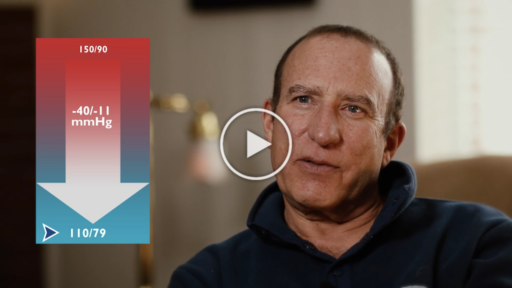
Watch How Mark Lowered His Blood Pressure Naturally.
What Current Research Shows
Doctors once considered white coat hypertension harmless, a transient blip with no lasting consequence. More recent evidence complicates that picture. A
2024 review in Current Hypertension Reports found that white coat hypertension carries a small but measurable increase in cardiovascular risk. People with the condition are also more likely to progress to sustained hypertension over time, compared with those who have consistently normal blood pressure.
That doesn’t mean every white coat reading needs treatment. It does mean the condition deserves monitoring rather than dismissal, particularly for patients with other cardiovascular risk factors.
Ambulatory Blood Pressure Monitoring
Ambulatory blood pressure monitoring, or ABPM, is the gold standard for telling white coat hypertension apart from the real thing. A small monitor attaches to a belt and connects to an arm cuff. It takes automatic readings every 15 to 30 minutes over a full day. Because it captures blood pressure during normal activity, including sleep, it gives physicians a far more complete picture than any single office visit can.
Home monitoring, taken consistently over a few weeks, can serve a similar purpose when ABPM isn’t available. Either way, the key is multiple readings across different settings rather than one number from one visit.
Managing White Coat Hypertension
- Ask to take your own reading. Pressing the start button yourself, without a nurse or doctor in the room, often produces a calmer, more accurate result.
- Track your blood pressure at home for two to three weeks before a follow-up visit, and bring the log with you.
- Practice a brief relaxation routine, such as slow breathing, in the waiting room before your appointment.
- Talk with your doctor about ambulatory monitoring if your in-office and at-home numbers consistently disagree.
How RESPeRATE Supports a Calmer Response
Dr. Benjamin Gavish, the biophysicist behind RESPeRATE’s underlying technology, describes white coat syndrome as a genuine physiological response, not an imagined one. He points to slow, device-guided breathing as a way to engage the parasympathetic nervous system — the body’s rest-and-digest counterpart to the fight-or-flight response that drives the white coat effect.
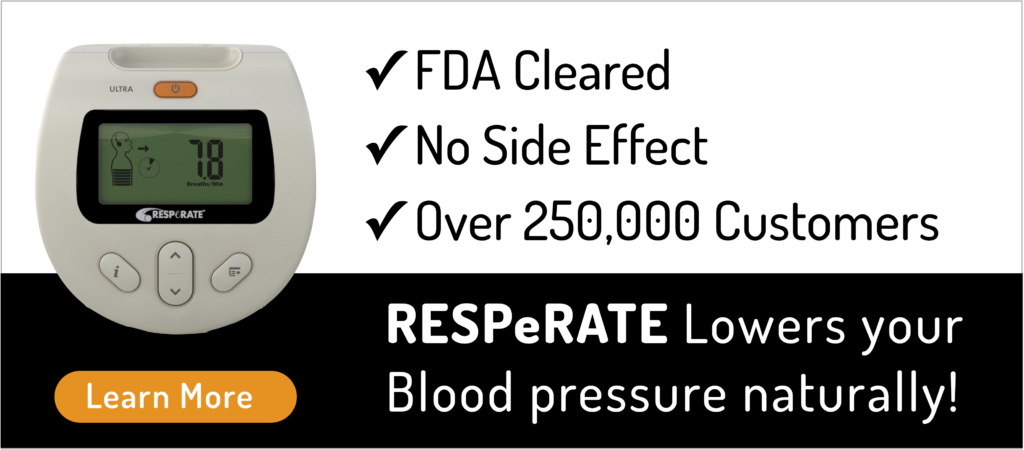
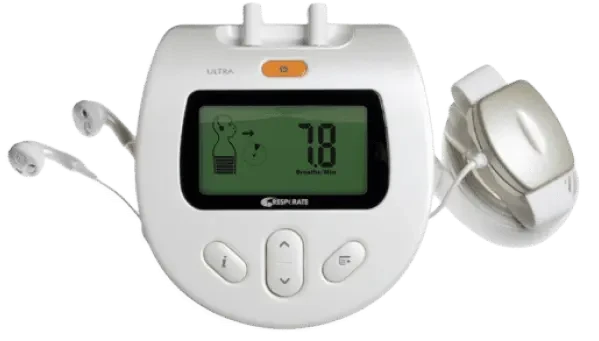
RESPeRATE works alongside your physician-directed treatment plan rather than replacing it. It guides users toward a slower breathing rate through audio cues. As your body settles into that slower rhythm, the nervous system shifts out of the heightened state that produces a white coat spike.
You can read how people have used RESPeRATE alongside their physician’s care in our RESPeRATE Reviews. You can also see how RESPeRATE works in more detail.
It was 170/110, this morning it was 120/80
Watch how Julie Lowered her Blood Pressure Naturally.


Working With Your Doctor
If you suspect white coat hypertension, bring data, not just a hunch, to your next appointment. A few weeks of home readings, or a 24-hour ABPM session, gives your physician something a single office visit cannot. That’s a clear view of how your blood pressure behaves in daily life.
Chronic stress and anxiety are closely tied to blood pressure more broadly, not just in the exam room. For a deeper look at that connection, see our guide on whether stress can really raise your blood pressure. Also check our tips for treating anxiety and blood pressure together.
Whether your readings point to white coat hypertension, masked hypertension, or sustained high blood pressure, getting the right diagnosis matters. It’s what makes the right treatment plan possible. RESPeRATE supports that plan; it doesn’t substitute for it, and it works alongside the guidance your doctor already provides.

 Clinically proven

 Eli
Eli 





Comments