
 Eli Ben-Yehuda
High blood pressure, or hypertension, is a widespread health concern that affects millions worldwide. It often damages the cardiovascular system silently, long before symptoms appear. Diet, exercise, and genetics are well-known contributors, but a growing body of research suggests anxiety may play a more significant role than previously understood.
The intricate relationship between mental health and physical well-being is becoming increasingly clear, with anxiety emerging as a potential hidden driver of hypertension. Understanding this connection could be crucial for developing more effective prevention and treatment strategies.
What is Anxiety?
Anxiety is caused by the body’s stress response. Stress can be perceived or actual, whether it comes from work, relationships, new parenthood, or finances. Regardless of the source, your body reacts the same way, releasing stress hormones like adrenaline and cortisol into the blood. Those hormones quicken your heartbeat, constrict blood vessels, and raise blood pressure. This is the “fight or flight” response, preparing your body to face a challenge. Normally, heart rate and blood pressure return to baseline once the stressor passes, so the rise is usually transient. Modern life complicates that picture. Frequent stressors can push the body into a state of chronic stress and anxiety, and when that happens, elevated blood pressure can persist far longer than it should. For more on how this connects to cortisol specifically, see our breakdown of the symptoms of high vs low cortisol.
Whether your anxiety is temporary or chronic, the good news is the same: a range of natural strategies can help reduce both anxiety and blood pressure. Environmental stressors compound this further; seasonal shifts, for instance, bring their own well-documented effect on blood pressure independent of anxiety. Anxiety’s effect on blood pressure isn’t limited to long-term stress. Acute episodes, including panic attacks, can trigger sudden spikes with their own distinct warning signs.
Natural ways to lower anxiety and blood pressure
Reiki
Undergoing any form of surgery is an event where anxiety is likely to arise. One study in patients undergoing knee replacement surgery showed that reiki, a Japanese form of energy healing, significantly reduced anxiety and blood pressure.
Each patient was given a one hour reiki treatment prior to surgery, followed by post surgery treatments at 24, 48, and 72 hours.
The study showed improvements in respiration rate and state of anxiety in patients. Anxiety scores at intake were 39 and reduced to 32 upon discharge.
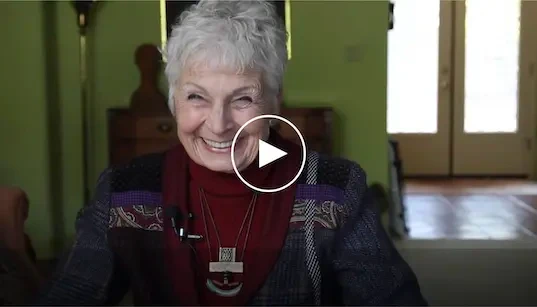
Watch how Julie Lowered her Blood Pressure Naturally.
It was 170/110, this morning it was 120/80
Learn More
This reduction in anxiety had a great effect on blood pressure levels.
Systolic blood pressure before the reiki treatments was 143.1 mmHg vs. 115.2 mmHg 48-hours after surgery, a reduction of 27.9 mmHg. Diastolic blood pressure before treatments was 74.3 mmHg vs. 60.4 mmHg 48-hours after surgery, a reduction of 13.9 mmHg.
Mindfulness meditation
Mindfulness meditation means focusing your attention on the present moment while letting negative thoughts pass without judgment. The research backs it up. Participants practicing mindfulness meditation for 4 weeks saw anxiety scores drop from 25.45 to 21.28. In a separate study, just 7 consecutive days of 30-minute daily sessions produced a measurable drop in systolic blood pressure, an average of 2.2 mmHg.
Biofeedback
When you receive information about your physiological responses from a mechanical device, you can learn to modify and control your body’s internal responses. Such devices are called ‘biofeedback’ devices.
There are several devices available but the goal of each one is to provide feedback on one or more of the following: muscle activity, brain activity, skin response, skin temperature, heart rate, or breathing.
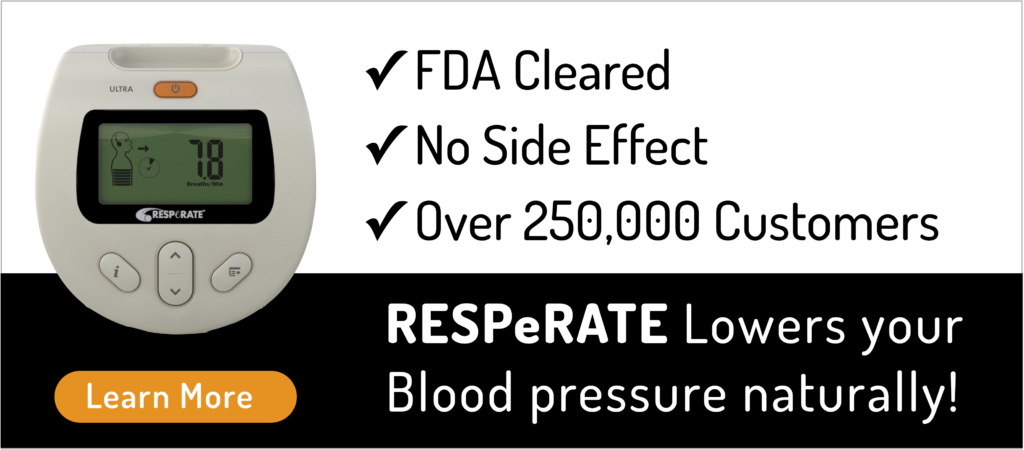
Our RESPeRATE device is one example of a biofeedback device.
Biofeedback techniques have been used for centuries to downregulate the sympathetic nervous system, the part of the nervous system activated under stress and anxiety.
Modern research also supports the use of biofeedback as well. People using biofeedback display an average reduction in anxiety scores from 22.69 down to 17.69, and 5 points is considered a significant reduction. By using biofeedback, people also show a stronger ability to manage stress levels.
Biofeedback for Dental Anxiety
Another common situation where people experience anxiety is when taking a visit to the dentist. There’s just something about the thought of those needles, drills, and hands in your mouth that brings up a sense of unease!
In a study of patients with dental anxiety, one group used the RESPeRATE device for 15 minutes prior to a dental injection. The overall scores for “injection experience” differed sharply between the two groups: 36.2 in the RESPeRATE group versus 53.3 in the control group. The higher control group score reflects a more negative experience, while the RESPeRATE group reported far less anxiety.
If you’re considering the effectiveness of this device, our RESPeRATE device review highlights how it has also been shown to significantly reduce blood pressure in many clinical studies.
Aroma foot massages
If you’ve ever enjoyed a relaxing foot massage, it might be time to indulge in a self-administered foot massage on a regular basis.
Researchers had participants self-administer aroma foot massages 12 times over a 4-week period, about 3 times per week. The intervention significantly decreased both systolic and diastolic blood pressure by approximately 2 mmHg on average, along with a meaningful reduction in anxiety.
The aromatherapy essential oils used were lavender, chamomile, sandalwood, ylang-ylang, and marjoram, blended with carrier oil. You can purchase premade aroma oils from many outlets, or visit an aromatherapist to make a special blend for you.
To perform the self-massage, first start by giving yourself a relaxing 10-minute foot-bath. Next put the fragrant aromatherapy oils on your hands and inhale the aromas. Apply the oil on your legs and use long sweeping strokes from your legs down to your toes. And spend some additional time massaging the acupressure points on the soles of your feet.
Engage in the foot massage for about 30 minutes. Once you’re finished, just sit back and relax for 5 minutes before doing anything else.
Prebiotics and Probiotics
Prebiotics are nondigestible fibers found in a range of different food sources, including:
- Jerusalem artichokes
- Chicory
- Green peas
- Leeks
- Onions
- Shallots
- Spring onions
- Dandelion greens
- Fennel bulb
- Beets
- Cashews
- Garlic
- Pistachio nuts
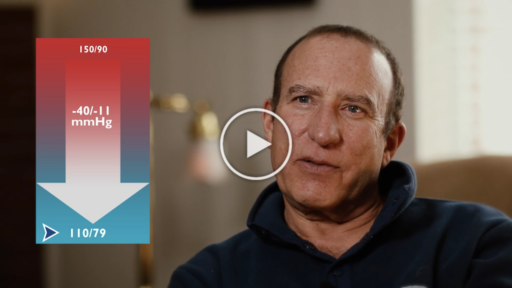
Watch How Mark Lowered His Blood Pressure Naturally.
It was 150/100, this morning it was 110/79

Prebiotics feed your gut bacteria, and that relationship matters more than it sounds. In an animal study, prebiotic foods consumed over several weeks blunted the stress response. Animals fed prebiotics reacted less dramatically to stressful situations than those without that nourishment. Additionally, their sleep patterns improved too, an area stress and anxiety commonly disrupt.
Gut Bacteria and Blood Pressure
Gut bacteria also link directly to blood pressure. The ratio of good to bad bacteria in your digestive tract plays a real role in cardiovascular health. This is one more reason to prioritize fiber-rich foods like non-starchy vegetables, nuts, and seeds.
You can also consume probiotic-rich foods such as:
- Yogurt
- Sauerkraut
- Miso
- Tofu
- Tempeh
- Kimchi
- Natto
As you can see, the above probiotic-rich foods are all fermented food sources. The fermentation process produces the beneficial bacteria. To help maintain gut microbial balance, another option is taking probiotic supplements on a regular basis.
Bringing It All Together
Whichever option you choose, proven strategies exist to help manage both anxiety and blood pressure together. For more natural, lifestyle-based approaches that pair well with these tips, see our guide to six ways to maintain healthy blood pressure naturally.
One more thing worth knowing: some anxiety medications carry a side effect of raising blood pressure. If you take medication, talk to your physician about side effects and alternative options worth exploring.
The link between anxiety and high blood pressure is real and runs in both directions. Recognizing anxiety as a genuine contributor to hypertension opens the door to treatment that addresses the mind alongside the body. Understanding where your numbers actually fall matters too, especially since updated diagnostic guidelines have changed what counts as elevated blood pressure for millions of people. Individuals and healthcare providers can work together on plans that include stress management, lifestyle changes, or targeted tools like RESPeRATE.
RESPeRATE works alongside your physician-directed treatment plan to support healthy blood pressure naturally. Discover how it works.

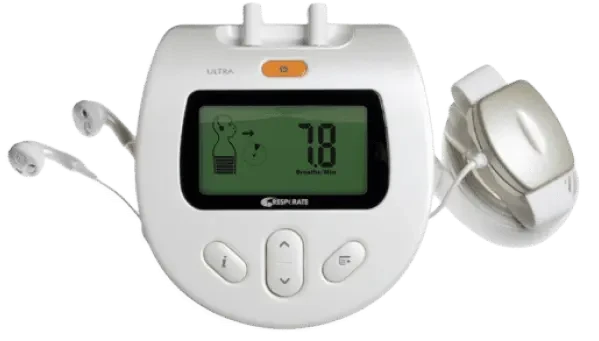
 Clinically proven

 Brian
Brian 





Comments