
 Brian Fairchild
Smoking and blood pressure are more closely linked than most people realize. The connection runs deeper than a single bad habit. Here’s the good news first: the U.S. adult smoking rate fell to 9.1% in 2025, continuing a decades-long decline. For the millions who still smoke or vape, understanding the blood pressure connection matters. So does knowing what actually works to quit. Guilt and lecture rarely help.
Nicotine triggers an acute release of stress hormones from the nervous system. Blood pressure and heart rate rise within minutes of exposure, whether from a cigarette or intravenous nicotine. Researchers have documented this sympathetic nervous system response repeatedly, and it happens with every single use.
E-cigarettes are not a safe alternative here. A controlled study compared tobacco cigarettes, e-cigarettes, and sham smoking. Vaping raised blood pressure and heart rate acutely, similar to traditional cigarettes. The nicotine, not just the smoke, drives the effect. That holds true whether it arrives through combustion or vapor.
Secondhand smoke carries real risk too. A large NHANES-based analysis looked at secondhand smoke exposure across thousands of adults. People with the highest exposure had a meaningfully higher risk of hypertension, along with a measurable rise in systolic blood pressure. Nonsmokers living or working around smokers are not exempt from this risk.
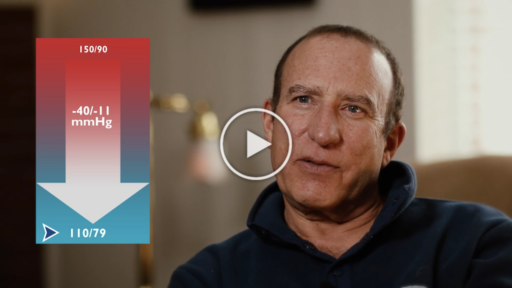
Watch How Mark Lowered His Blood Pressure Naturally.
It was 150/100, this morning it was 110/79
The Encouraging Part: Blood Pressure Recovers Fast
Quitting works, and it works quickly. Research on habitual smokers found measurable improvements in blood pressure and heart rate variability within just one week of stopping. A 2024 cardiovascular review confirmed that these improvements begin almost immediately and continue building over time.
The long-term numbers are just as encouraging. One large study found that heavy smokers who quit reduced their cardiovascular disease risk by 39% within five years. That’s faster than previous guidance suggested. The body starts repairing itself long before a decade passes.
What Actually Helps People Quit
Quitting smoking is hard, and that difficulty has nothing to do with willpower. Nicotine dependence is a recognized, chronic condition, and most people who smoke already want to stop.
CDC data from 2022 found that roughly two-thirds of U.S. adults who smoked wanted to quit, and about half made a serious attempt that year. Fewer than one in ten succeeded. The difference between those two numbers points to something important. Doing it alone is hard. Quitting with support works far better.
Approaches with real evidence behind them include:
- Setting a specific quit date and preparing for it in advance
- Behavioral counseling, whether in person, by phone, or through a text-based program
- Nicotine replacement options, such as patches, gum, or lozenges, discussed with a physician
- Prescription medications designed specifically for smoking cessation, when appropriate for the individual
- Free support through a quitline, such as 1-800-QUIT-NOW
Combining more than one of these approaches consistently outperforms trying to quit without any support at all.

Watch how Julie Lowered her Blood Pressure Naturally.
It was 170/110, this morning it was 120/80
Learn More

Blood Pressure Management Beyond Smoking
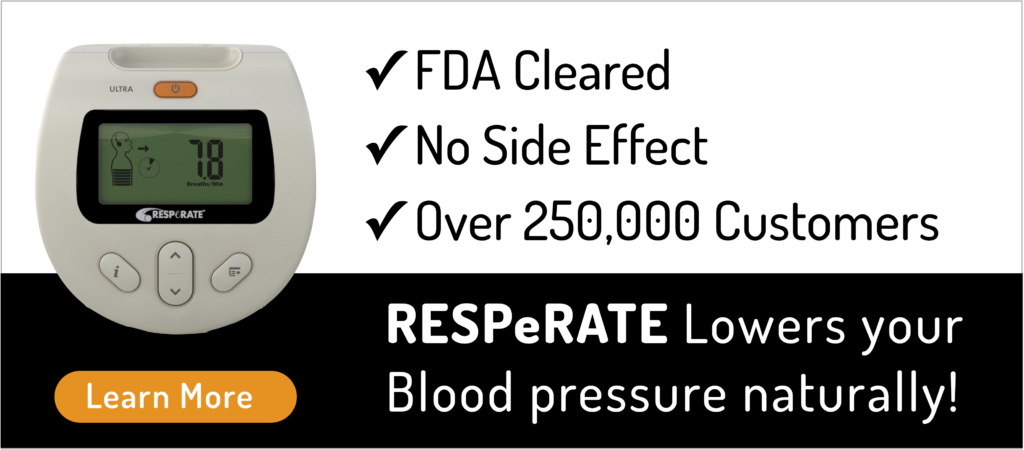
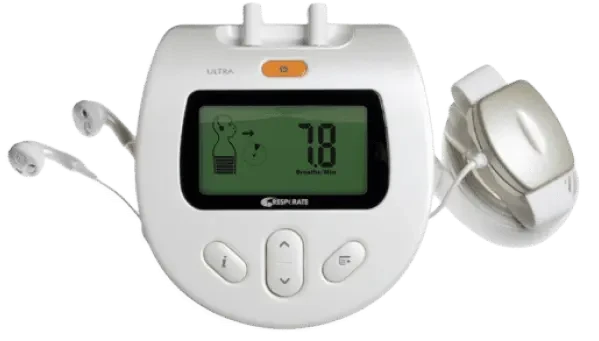
Quitting smoking is one of the most effective single steps toward healthier blood pressure. It works alongside, not instead of, the rest of a physician-directed health plan. Diet, physical activity, and stress management all play a role too. RESPeRATE supports that broader plan by helping manage blood pressure through slow, guided breathing. Learn more about how RESPeRATE works to see how it fits alongside your overall health program.
Wherever someone is in their relationship with smoking, from not ready to quit yet to five years smoke-free, the blood pressure benefits are real and well-documented. They’re worth pursuing at any pace that works.

 Clinically proven


 Eli
Eli 



