
 Brian Fairchild
Endocrine hypertension is high blood pressure caused by a hormone disorder. It is more common than most people, and many physicians, realize. A 2024 review in the Yeungnam University Medical Journal found that roughly 15 percent of people with high blood pressure have a secondary cause behind it. Among children, that figure rises above 50 percent. Among adults under 40, it sits close to 30 percent.
Most forms of endocrine hypertension respond well to treatment. Some are curable. Yet without the right blood tests, a hormone cause of high blood pressure looks almost identical to ordinary primary hypertension. People in this group often spend years on medications that control their symptoms without ever fixing the root problem.
A landmark 2025 update from the Endocrine Society is changing that picture. Knowing what endocrine hypertension is, who should be tested, and what the new guidelines say matters if your blood pressure is hard to control. For broader context, see our post on what causes high blood pressure.
It was 150/100, this morning it was 110/79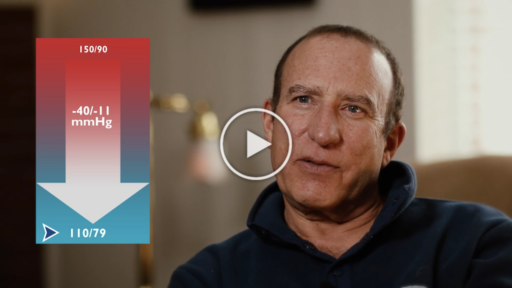
Watch How Mark Lowered His Blood Pressure Naturally.
What Is Endocrine Hypertension?
The endocrine system is the network of glands that makes and controls hormones. Several of those hormones manage blood pressure directly. They do this by controlling fluid levels, sodium in the body, and the tension in blood vessel walls. When one of those glands stops working properly, the result is often chronic high blood pressure that does not respond to standard treatment.
The Endocrine Society has found more than 15 hormone disorders that can show up first as high blood pressure. The most important ones are described below.
Primary Aldosteronism
Primary aldosteronism happens when the adrenal glands make too much of the hormone aldosterone. That excess aldosterone tells the kidneys to hold onto sodium. More sodium means more fluid, and more fluid means higher blood pressure. Doctors now recognize this as the most common, treatable, and often curable form of secondary hypertension. Between 5 and 14 percent of people with high blood pressure in primary care have it. In specialist clinics, that figure reaches 30 percent. Most cases go undetected. Without treatment, primary aldosteronism raises the risk of stroke, heart failure, irregular heart rhythm, and heart disease — beyond what the raised blood pressure alone would cause.
For a deeper look at how aldosterone affects women specifically across different life stages, including the role of estrogen, progesterone, and the menopause transition, see our post on aldosterone and hypertension in women.
Pheochromocytoma
A pheochromocytoma is a tumor on the adrenal gland that releases too much adrenaline. Common signs include sudden headaches, racing heart, sweating, and anxiety, alongside high blood pressure. Up to 25 percent of cases show none of those classic signs. Doctors often find these tumors by accident during scans for something else. The condition is rare, but it carries serious heart risk if it goes undetected.
Cushing Syndrome
Cushing syndrome develops when the body produces too much cortisol over a long period. An adrenal tumor, a pituitary tumor, or long-term steroid medication use can all cause it. High blood pressure is one of the most reliable signs. Others include weight gain around the belly, a rounded face, easy bruising, purple stretch marks, and muscle weakness in the upper arms and legs. Doctors confirm the diagnosis with one of three tests: an overnight cortisol suppression test, a 24-hour urine test, or a late-night saliva test.
Thyroid Disorders
An underactive thyroid and an overactive thyroid each raise blood pressure, but in different ways. An underactive thyroid increases resistance in the blood vessels, which pushes up diastolic pressure. An overactive thyroid raises heart rate and systolic pressure. Doctors often miss thyroid disorders as a cause of blood pressure problems. The heart and circulation symptoms can seem like they belong to other conditions.
Other Hormone-Related Causes
Other hormone conditions that raise blood pressure include overactive parathyroid glands, excess growth hormone (acromegaly), and certain inherited adrenal disorders. Researchers also increasingly link low vitamin D and hormone changes tied to obesity to secondary blood pressure problems. The Endocrine Society’s original scientific statement covers more than 15 separate conditions in total.
The 2025 Endocrine Society Guideline: A Major Shift
In July 2025, the Endocrine Society released a new Clinical Practice Guideline on Primary Aldosteronism in the Journal of Clinical Endocrinology and Metabolism. The Society presented it at ENDO 2025, its annual meeting. The guideline marks a clear break from past advice.
Who the new guideline covers
The core recommendation is straightforward: every person with high blood pressure should now get tested for primary aldosteronism. Earlier guidance only recommended testing for higher-risk groups — people with treatment-resistant blood pressure, very high readings, low potassium, or an adrenal growth found by chance. The 2025 guideline drops those limits entirely.
The reasoning is simple. Fewer than 2 percent of people who should get tested for primary aldosteronism actually do. Testing delays often stretch for years after a high blood pressure diagnosis. By then, real damage to the heart and kidneys has built up. The guideline aims to fix that by making one routine blood test part of standard blood pressure care.
How the diagnosis has changed
The 2025 guideline also makes diagnosis simpler. Under the old 2016 rules, a positive screening result always required a second round of confirmatory testing. The new criteria allow doctors to confirm the diagnosis from three blood markers alone: low renin, high aldosterone, and a high ratio between them. A study from Strasbourg University Hospital compared both sets of rules on the same group of patients. The 2025 criteria found significantly more cases.
International alignment
The 2024 European Society of Cardiology had already moved in this direction. Its hypertension guidelines recommend testing all adults with diagnosed high blood pressure for primary aldosteronism. The 2025 Endocrine Society guideline joins them. The American Heart Association, the American Association of Clinical Endocrinology, the European Society of Endocrinology, and several other groups co-sponsored it. As the Endocrine Society stated at ENDO 2025, finding the condition early reverses the raised risk of heart events and kidney failure.
It was 170/110, this morning it was 120/80
Watch how Julie Lowered her Blood Pressure Naturally.


Who Should Ask Their Doctor About Hormone Testing?
Under the 2025 guideline, the answer is anyone with high blood pressure. The aldosterone-renin ratio is a simple blood test. Both the Endocrine Society and the 2024 European guidelines name it as the first-choice screening tool. Some warning signs make testing more urgent. Raise the topic with your doctor if any of the following apply to you. For more on hard-to-control blood pressure, see our article on overcoming resistant hypertension.
- Blood pressure stays high despite three or more medications, including a water pill
- Blood pressure that was stable has become suddenly hard to manage
- High blood pressure diagnosed before age 40 with no clear lifestyle cause
- Low potassium on routine blood tests, even without taking supplements
- An adrenal growth found by chance on a scan done for another reason
- Repeated episodes of headache, sweating, or racing heart alongside high blood pressure
- Signs of Cushing syndrome: belly weight gain, easy bruising, purple stretch marks, or weak upper arms and legs
- A family history of early high blood pressure, primary aldosteronism, or adrenal tumors
Treatment Depends on the Root Cause
Treating endocrine hypertension works very differently from treating primary high blood pressure. Primary aldosteronism from one overactive adrenal gland often clears up with surgery. When both glands are involved, doctors use aldosterone-blocking drugs. These target the hormone problem directly. Pheochromocytoma treatment is usually surgery. Cushing syndrome treatment targets the source of the excess cortisol. That may mean pituitary surgery, adrenal surgery, or medication. Thyroid-related blood pressure often improves once the thyroid levels return to normal.
Standard blood pressure drugs may bring the numbers down somewhat. But they do not fix the hormone problem driving them. People with undiagnosed endocrine hypertension carry a higher heart risk even when their blood pressure appears controlled. The excess hormone keeps damaging the heart and blood vessels on its own, independent of what the readings show.
Where RESPeRATE Fits
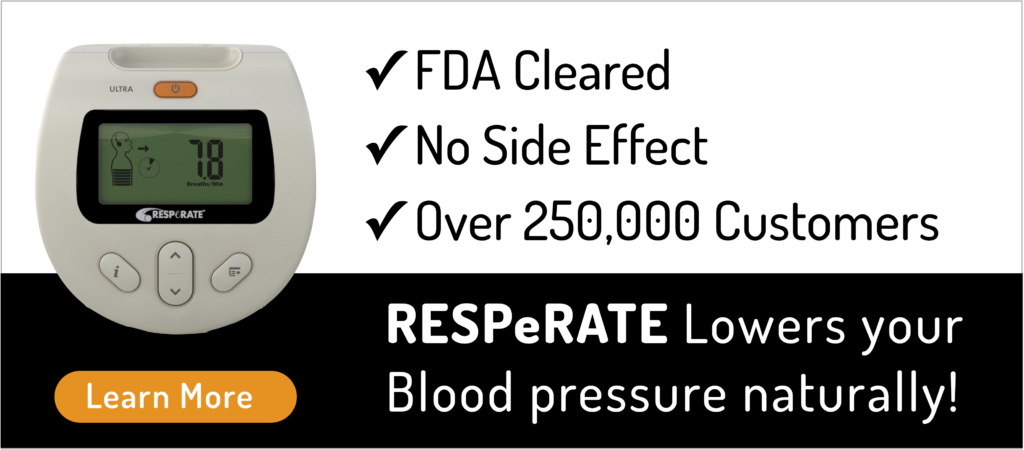
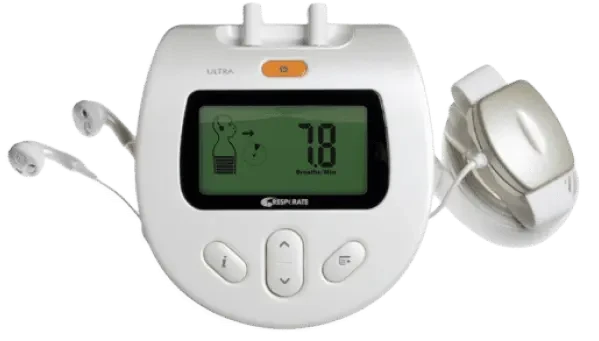
RESPeRATE works alongside a physician-directed treatment plan, not instead of one. People with endocrine hypertension may wait weeks or months for a diagnosis, or manage the condition long-term with medication. Throughout that time, the nervous system still plays a role in keeping blood pressure high. RESPeRATE guides slow, deep breathing with a longer exhale. This approach calms the nerve signals that tighten blood vessels and push pressure up. More than 50 published studies support its effectiveness. It carries no drug interactions and no side effects. Use it as part of your overall health program, alongside your physician-directed treatment plan. Review the full evidence at our clinical proof page.
Summary
Endocrine hypertension is a hormone-driven cause of high blood pressure that doctors consistently underdiagnose. Primary aldosteronism alone causes 5 to 14 percent of all high blood pressure cases in primary care and up to 30 percent in specialist settings. Fewer than 2 percent of people who should get tested for it ever do.
The 2025 Endocrine Society Clinical Practice Guideline changes that. It calls for universal screening of everyone with high blood pressure, simplifies the diagnostic steps, and carries backing from the American Heart Association and multiple international bodies. The full guideline is in the Journal of Clinical Endocrinology and Metabolism.
If your blood pressure has been hard to manage, if you got the diagnosis young, or if any warning signs above sound familiar, bring it up with your doctor. Finding and treating endocrine hypertension early can cut the heart risk it carries. In many cases, it can eliminate the condition entirely.

 Clinically proven

 Eli
Eli 




