
 Eli Ben-Yehuda
Resistant hypertension can feel overwhelming, especially when lifestyle changes and medications don’t seem to move the numbers. When blood pressure remains high despite consistent treatment, it often leaves people frustrated, discouraged, and searching for clearer answers. Understanding what resistant hypertension truly is marks the first step toward regaining control.
Hormonal disorders are among the most common and most treatable secondary causes of hypertension — see our overview of endocrine hypertension. From medication interactions to underlying health issues and daily habits, resistant hypertension rarely has a single cause. The good news is that identifying these influences opens the door to more effective, personalized solutions.
Conquering resistant hypertension isn’t about quick fixes or one-size-fits-all advice. It’s about a thoughtful, structured approach that combines medical guidance, lifestyle adjustments, and informed self-care. With the right strategies, meaningful blood pressure improvements are possible.
What To Do When Hypertension Is Winning.
You’ve made lifestyle changes. You’re taking a diuretic and at least two other blood pressure medicines. But your blood pressure still isn’t budging. This is called resistant hypertension. Simply put, it means that your high blood pressure (HBP or hypertension) is hard to treat and may also have an underlying (secondary) cause.
What is resistant hypertension?
Resistant hypertension is a condition where your blood pressure remains high or uncontrolled despite the medications you take to lower it. Hypertension (high blood pressure) is a major health issue. But it becomes even more frustrating when you are on multiple medications and don’t see any improvements. People with hard-to-treat, resistant hypertension have a higher risk of stroke, kidney disease and heart failure than people whose high blood pressure is controlled.
If you have resistant hypertension:
Your blood pressure stays high (reading of 130/80 mmHg and above) — even if you take three blood pressure-lowering medications including one diuretic (water pill). You are taking four or more medications to control your high blood pressure.
Sometimes an underlying medical condition, or secondary cause, can keep your high blood pressure resistant to medications.
Possible causes of resistant hypertension:
Resistant hypertension may have one or more other underlying medical conditions. In addition to treating resistant hypertension with medications, doctors typically investigate secondary causes (contributing factors), such as:
Abnormalities in the hormones that control blood pressure. The accumulation of artery-clogging plaque in blood vessels that nourish the kidneys, a condition called renal artery stenosis. Sleep problems, such as the breath-holding type of snoring known as obstructive sleep apnea. Obesity or heavy intake of alcohol or other substances that can interfere with blood pressure.
Monitoring and treatment of resistant hypertension:
Reining in blood pressure levels begins with the basics, such as understanding your pressure patterns. Sometimes that means wearing a pager-sized automatic blood pressure recorder for 24 hours or checking your pressure with an at-home monitor several times a day. Treatment also usually involves a change or addition of medications and investigation of secondary causes – along with key lifestyle changes, including:
- Eating a well-balanced low-salt diet
- Limiting alcohol
- Enjoying regular physical activity
- Maintaining a healthy weight
- Managing stress
- Taking your medications as prescribed
- People with resistant hypertension should take the right medications, in the right doses, at the right time. DO NOT take medications or supplements that can boost blood pressure, such as diet pills and stimulants, cyclosporine, natural licorice, ephedra and painkillers and non-steroidal anti-inflammatory agents (NSAIDs), such as ibuprofen and celecoxib.
Natural licorice deserves a closer look on its own. Even small daily amounts have been shown to raise blood pressure in recent research. See the full breakdown: The Sweet Treat That Can Raise Your Blood Pressure: Licorice Root Explained.
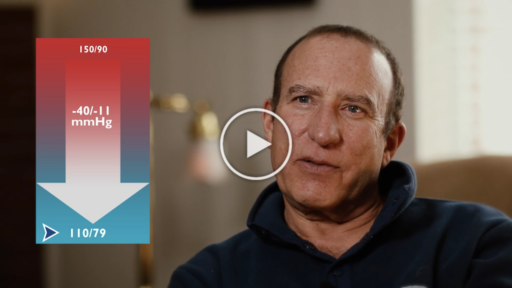
Watch How Mark Lowered His Blood Pressure Naturally.
It was 150/100, this morning it was 110/79
More ways to overcome resistance:
If you have reached the maximum dosage of at least three medications and your blood pressure is still high — and lifestyle changes also haven’t helped — your doctor will look for other causes such as kidney disease, Cushing’s disease, or pheochromocytoma (a tumor in an adrenal gland). After that, he or she will explore other underlying issues. For example:
Sleep Apnea
This common condition is marked by repeated pauses in your breathing—lasting from a few seconds to a minute or so—while you sleep. A 2014 study in the Journal of Clinical Sleep Medicine involving almost 300 people who had sleep apnea or were at high risk for heart disease found that sleep apnea quadrupled the odds of having resistant hypertension.
Nonsteroidal anti-inflammatory drugs (NSAIDs)
These include over-the-counter pain relievers like ibuprofen (Advil, Motrin) and naproxen (Aleve). A 2012 study in BMC Cardiovascular Disorders of 1,340 users of NSAIDs and 1,340 users of the non-NSAID painkiller acetaminophen (Tylenol) found that NSAID users had a 2 mm Hg increase in systolic blood pressure compared with acetaminophen users. “If you are taking more than occasional doses to control pain, you should discuss this with your doctor,” says Dr. Fisher.
Alcohol
Excess drinking can elevate blood pressure, Men should limit their intake to no more than two drinks per day, says Dr. Fisher.
New Medication
If you haven’t responded to three standard blood pressure drugs, your doctor might try a less common choice, such as spironolactone (Aldactone) or eplerenone (Inspra).
A 2017 study from the European Society of Cardiology compared various treatments in 314 people with resistant hypertension and found that spironolactone, a diuretic, was more effective than traditional choices for drug therapy. The downside is possible side effects, especially for men, like gynecomastia (enlarged breast tissue) and a rise in potassium, especially for people with kidney disease.
A small study involving 57 people with resistant hypertension published online June 13, 2016, by The Journal of Clinical Hypertension discovered that adding eplerenone to the standard three-drug treatment for 12 weeks lowered systolic blood pressure by almost eight points and diastolic blood pressure by more than four points compared with a control group.
When Is High Blood Pressure Not Resistant Hypertension?
Sometimes stubbornly high blood pressure reflects factors other than how you react to drug treatment. For instance:
Poor measurements. There is a chance your blood pressure is improving, but a problem like a loose cuff could cause a faulty reading. Get multiple readings, at different times of the day.
Not taking your medication. A 2014 study in BMJ(British Medical Journal) found that one in four patients with hypertension either didn’t take their medication or took it only part of the time. People may skip doses because they forget, they’re fearful of possible side effects, or the pills are too expensive. Speak with your doctor if you’re having trouble taking your medication as prescribed.
White-coat syndrome. Anxiety at the doctor’s office can make blood pressure temporarily spike, which leads to a false reading. Ask the nurse or medical assistant who takes your initial blood pressure to repeat it after a few minutes to see if it has gone down. You also can help ease anxiety by bringing a friend or family member to your appointment.
Final Thoughts
Managing resistant hypertension requires persistence, patience, and partnership with healthcare professionals. Regular monitoring, medication review, and consistent follow-up help ensure treatment stays aligned with your body’s changing needs. Small adjustments, made deliberately, can create lasting impact.
Lifestyle choices also play a powerful role in long-term blood pressure control. Nutrition, physical activity, sleep quality, and stress management work together to support cardiovascular health. When addressed collectively, they often enhance the effectiveness of medical treatment.
Resistant hypertension may be challenging, but it is not unbeatable. With education, commitment, and the right support system, better blood pressure is within reach. Each informed step forward brings you closer to healthier numbers and greater peace of mind.

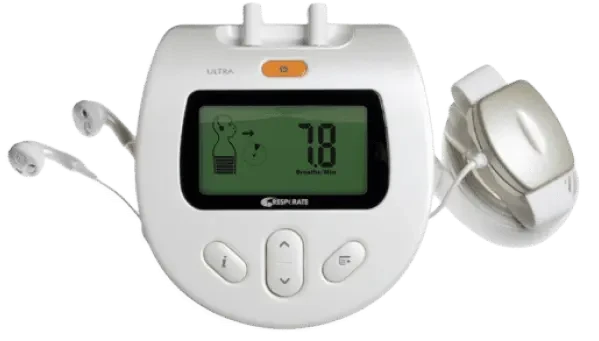
 Clinically proven





Comments
10 Replies to “Conquer Resistant Hypertension: Your Path to Better Blood Pressure”
Why aren’t tests for adrenal tumors, sleep apnea, Cushing’s disease and kidney disease not done BEFORE treating patients with a multitude (up to three!) of medications that have side effects that may compromise a patient’s general health?
Most BP medications will work and may stop working only after a number of years, and after enough damage to the patient’s health has been done. I don’t think I would be impressed if, after a number of years of chemical treatment, a doctor would suggest to test for the above secondary causes. It is said that 95% of patients have ‘essential hypertension’. What if a particular patient does indeed belong to the 5% with secondary hypertension? It seems to me that most patients are being treated according to statistics and not what is best for them.
The other thing that would bother me is the ‘trial and error’ approach with medication. I wouldn’t walk a across a bridge that has been constructed by ‘trial and error’, so why are patients so compliant to try ‘trial and error’ with such potent medication?
I understand your questions. It is the same as if people know that eating unhealthy, smoking cigarettes, drinking excessive sugary drinks and living a completely unhealthy lifestyle causes the majority of their health problems, why do they continue to poison themselves. Laziness and the refusal to change. I hope that helps.
I think what Celia is asking is this. If a person has made all the best lifestyle changes possible, including using respErate, practicing relaxation techniques, etc. and their blood pressure still remains high, why don’t doctors look for secondary causes BEFORE prescribing BP meds? Why don’t they look for other ROOT CAUSES before prescribing drugs to just get rid of the symptoms i.e. high blood pressure?
Thank you for the information. I have to agree with you. Kindest Regards Eli
It’s important to remember that medications treat the symptoms of HBP and a poor lifestyle, diet in particular may be overriding the effects of the medication hence “resistant hypertension”. Really focus on a clean diet folks. That’s all I had to do along with some exercise to achieve optimal BP without medication. Also look into other causes as noted above, Cushings, adrenal tumors, thyroid etc. but I think it’s mostly our toxic western diet that’s the root cause.
Hi Steve, Thank you for the information.Eli, SCS Manager
First time I’ve heard the term resistant hypertension. That’s me. My blood pressure would roller coaster from low to high and it baffled my doctors.
Background: I had my mitral and tricuspid valves repaired in May 2021. The mitral valve failed so every year I’d get an echocardiogram to monitor. In January 2025 was told it was time so in June 2025 my mitral valve was replaced.
Before that a stent was inserted into my right renal artery. Unfortunately, my left kidney doesn’t function.
I’ve been through medication changes by both my cardiologist and nephrologist. It was still higher than it should be.
I started taking beet powder with ginger and cayenne. Didn’t notice a big difference.
Then I was told about RESPeRATE and that has made the biggest difference.
December 29 I had a sleep study and was diagnosed with mild sleep apnea. I do not present as typical- I don’t snore or wake up trying to catch my breath. I am scheduled to be fitted for an orthodontic mouthpiece, but my appointment isn’t until May 4, unless there is a cancellation.
I’m hoping this is the missing piece of the puzzle. I am not overweight, I’m active (work out with a trainer twice a week and take ballroom dancing lessons), I don’t abuse alcohol, I eat organic, non- processed foods for the most part so at times it’s been discouraging.
This article gave me more insight on possible situations, but it also let me know I’m not alone.
Beverly, Thank you so much for sharing your story with us. Warmest regards, Eli, Content Manger, RESPeRATE
I find that in taking my blood pressure multiple times, frequently it will start high, and each progressive time will come down, usually significantly. How many times should I take it to get an accurate reading?
Hi Scott, My physician has me take 2 reading 5 minutes apart. Then he told me to keep the second set and record it and forget the first set.
Warmest regards Eli, Content Manager RESPeRATE.