Brian Fairchild
The DASH diet vs. keto debate matters for anyone managing high blood pressure. Nearly half of American adults live with the condition, and diet remains one of the most effective tools for managing it. Two approaches dominate the conversation. The DASH diet targets blood pressure directly. Keto targets weight loss first. Choosing between them means looking past headlines and into what the research actually shows.
What the DASH Diet Does
The Dietary Approaches to Stop Hypertension (DASH) diet emphasizes vegetables, fruits, whole grains, lean protein, and low-fat dairy. It limits sodium, saturated fat, and added sugar. Unlike keto, researchers built DASH from the outset as a blood-pressure intervention, not a weight-loss plan.
The evidence base reflects that design. A review of DASH research analyzed a meta-analysis of 17 randomized controlled trials covering more than 2,500 adults. That analysis found the diet reduced systolic blood pressure by an average of 6.74 mmHg and diastolic pressure by 3.54 mmHg. Reductions ran larger among people who already had elevated blood pressure. Combining DASH with sodium restriction amplified the effect further.
What the Keto Diet Does
The ketogenic diet takes a different approach: high fat, very low carbohydrate. Researchers originally developed it for epilepsy management, and it’s now widely used for weight loss. Its blood pressure research is newer than DASH’s, and it covers far fewer participants.
A 2025 pilot study offers the most direct comparison available. Researchers followed 26 adults with high-normal blood pressure or Grade 1 hypertension for three months. Some followed a low-calorie ketogenic diet. Others followed a low-sodium, high-potassium Mediterranean diet. Both groups lost meaningful weight, and both saw blood pressure improve. Overall, 24-hour systolic readings fell by roughly 9 mmHg. The Mediterranean group showed a healthier pattern of nighttime blood pressure dipping than the keto group, a marker linked to better cardiovascular outcomes over time.
Still, the takeaway isn’t that keto failed. Keto’s blood pressure benefit in this study appeared to work mainly through weight loss. DASH and Mediterranean-style eating carry blood-pressure-specific mechanisms, higher potassium and lower sodium, that operate independently of the scale.
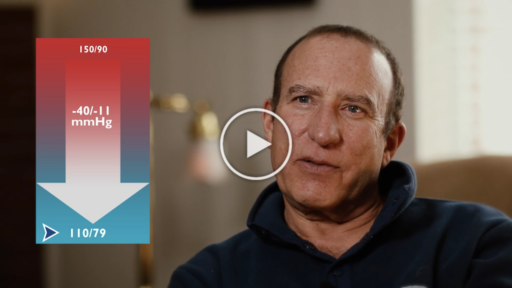
Watch How Mark Lowered His Blood Pressure Naturally.
It was 150/100, this morning it was 110/79
The Kidney Question
Readers have raised a fair concern: does a high-protein diet like keto strain the kidneys? The Keto-Salt pilot study tracked this directly. It found no increased signal of kidney impairment or inflammation in either diet group over the three-month period. That’s reassuring, but it comes with real caveats. The study was small and short, and it enrolled generally healthy adults without existing kidney disease. It doesn’t answer the question for someone who already has reduced kidney function. Higher protein intake is a legitimate, separate concern there, and it requires physician guidance regardless of which diet someone chooses.
Anyone with existing kidney disease, or risk factors for it, should talk to their doctor first. This matters especially before starting keto.

Watch how Julie Lowered her Blood Pressure Naturally.
It was 170/110, this morning it was 120/80
Learn More

DASH vs. Keto for Blood Pressure: Which Should You Choose?
When it comes to DASH diet vs. keto for blood pressure specifically, DASH has the deeper evidence base. It also has larger sample sizes and the longest track record. Keto can support blood pressure improvement, largely by driving weight loss. But the research is still early, and the diet carries higher sodium and saturated fat by design, exactly the factors DASH is built to limit.
Neither diet replaces physician-directed care or prescribed treatment. Blood pressure management works best as a combination of nutrition, physical activity, and medical guidance, and RESPeRATE supports that plan too, so see how RESPeRATE works to fit it into your routine.
If you’re curious how a ketogenic diet interacts with blood pressure in more detail, including who should be cautious, see our full breakdown: Ketogenic Diet and High Blood Pressure: Is It Safe?
For another structured, exercise-paired approach built around cardiovascular risk reduction, see our breakdown of the Pritikin lifestyle.
Beyond the DASH-versus-keto comparison, individual foods carry their own evidence. Mangoes, goji berries, purple potatoes, watermelon, pomegranate juice, bananas, and cranberries each bring something different to the table. Beets round out the list.

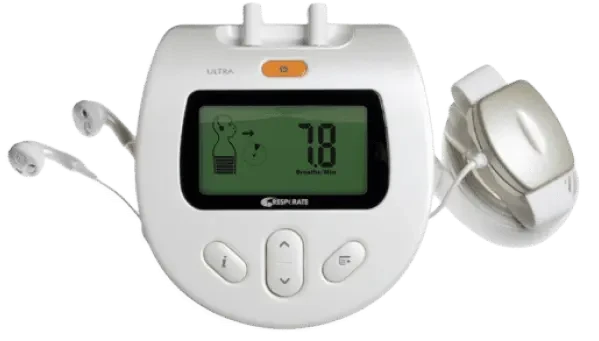
 Clinically proven

 Eli
Eli