
 Eli Ben-Yehuda
As temperatures drop, many people notice changes in their bodies—dry skin, cold hands, stiff joints, and for some, rising blood pressure. While the effects may seem subtle, cold weather can significantly impact how your heart and blood vessels function. Understanding this connection is important for anyone managing hypertension or simply aiming to maintain a healthy cardiovascular system throughout the winter months.
When the air gets chilly, your body works harder to stay warm. One of the ways it responds is by tightening—or constricting—your blood vessels. This natural reaction helps preserve heat by reducing blood flow to your skin, but it also increases resistance in your arteries. As a result, your heart must pump more forcefully to move blood throughout your body. This increased workload can cause your blood pressure to rise, especially in people who already have high blood pressure or cardiovascular concerns.
For many individuals, these seasonal shifts go unnoticed. But if you monitor your blood pressure regularly, you might notice it trending slightly higher during the colder months. Even small increases can matter over time, especially for those at risk for heart disease, stroke, or other complications. That’s why understanding the winter-blood-pressure connection can help you take proactive steps toward protecting your heart all season long.
Why Cold Temperatures Raise Blood Pressure
The primary reason cold weather affects blood pressure is due to vasoconstriction, the narrowing of blood vessels. When temperatures fall, your body activates this mechanism to prevent heat loss. Narrower vessels mean less space for blood to flow, which naturally raises blood pressure levels.
In addition to vasoconstriction, several other factors contribute to winter blood pressure spikes:
1. Reduced Physical Activity
Shorter days, icy sidewalks, and freezing temperatures often discourage regular exercise. A decrease in physical activity can cause weight gain, reduced circulation, and an increase in blood pressure over time.
2. Higher Stress Levels
The winter season brings holidays, travel, and sometimes financial or social pressures. Stress hormones like cortisol can elevate blood pressure and make hypertension more difficult to manage.
3. Dietary Changes
Comfort foods, salty meals, and heavier holiday dishes are more common in winter. Increased sodium intake is closely linked to higher blood pressure.
4. Less Sunlight Exposure
Low sunlight can reduce vitamin D levels, which play a role in vessel health and blood pressure regulation. Reduced daylight can also impact mood and energy levels, indirectly influencing lifestyle habits.
5. Cold-Induced Hormonal Changes
Cold exposure can increase levels of catecholamines—stress-related hormones such as adrenaline—which can temporarily spike blood pressure.
Who Is Most at Risk in Cold Weather?
Although anyone can experience changes in blood pressure during winter, certain groups may be more vulnerable:
Individuals with hypertension
Adults over age 60
People with heart disease
Those who smoke or have reduced circulation
Individuals with diabetes
People exposed to prolonged cold (outdoor workers, winter athletes, etc.)
For these groups, even a small seasonal increase can make a meaningful difference in heart health. Monitoring blood pressure more frequently during cold weather can help you identify patterns and adjust your habits or medications accordingly.
Tips to Manage Blood Pressure During Winter
The good news is that cold-weather effects on blood pressure are manageable. By adopting a few simple habits, you can support healthy cardiovascular function throughout the winter season.
1. Stay Warm
Dress in layers, wear insulated gloves and socks, and avoid staying outdoors in low temperatures for long periods. Keeping your core warm reduces the body’s need to constrict blood vessels.
2. Maintain Regular Exercise
Staying active is crucial for controlling blood pressure. Indoor exercises—such as walking on a treadmill, resistance training, dance workouts, or yoga—can help you maintain consistency when outdoor activity isn’t possible.
3. Choose Heart-Healthy Foods
Opt for winter-friendly meals that include vegetables, whole grains, lean proteins, and low-sodium ingredients. Keep holiday indulgences balanced with nutritious choices most days of the week.
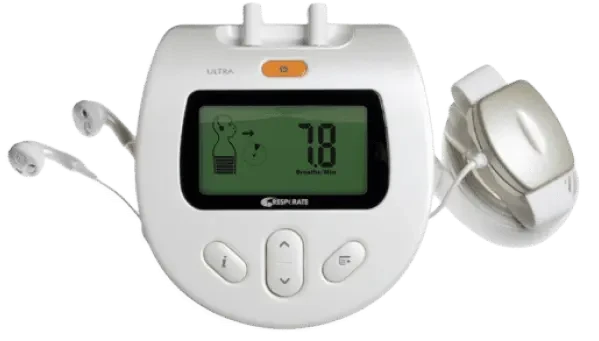
4. Monitor Your Blood Pressure
Home monitoring allows you to track changes and catch elevated readings early. Share unusual patterns with your healthcare provider if they persist.
5. Stay Hydrated
Dehydration is common in winter because people often drink less water. Proper hydration helps maintain healthy circulation and blood pressure balance.
6. Manage Stress
Incorporate calming routines such as deep breathing, meditation, or warm baths. Even 10 minutes of relaxation daily can support a healthier blood pressure trend.
7. Get Enough Sunlight or Vitamin D
Take short walks during daylight hours when possible, or speak to your doctor about checking vitamin D levels.
When to Contact a Healthcare Provider
If you notice consistently higher readings during winter—especially if they reach 140/90 mmHg or higher—it may be time to reach out to your healthcare provider. They can help determine whether the increase is weather-related, lifestyle-related, or a sign of something more serious. Adjustments to medication or simple lifestyle changes may be enough to stabilize your readings.
Final Thoughts
Cold weather can have a meaningful impact on your blood pressure, but with awareness and a few preventative steps, you can protect your heart throughout the colder months. Staying warm, staying active, and paying attention to your body’s signals are key to staying healthy no matter how low the temperature drops. By understanding how winter affects your cardiovascular system, you can take control of your health and keep your blood pressure in check all season long.


 Clinically proven





Comments