
 Brian Fairchild

Obesity and high blood pressure often show up together. Both are common in the United States, and both affect your heart. The good news is that even modest weight loss can lower blood pressure. Here is what the numbers show and where to start.
How Common Are Obesity and High Blood Pressure?
According to the CDC, 40.3% of U.S. adults had obesity in 2021 to 2023. About 9.4% had severe obesity. Rates were highest in adults ages 40 to 59.
High blood pressure is even more common. The CDC reports that nearly half of adults have it, about 119.9 million people. Yet only about 1 in 4 of them has it under control. In 2024, high blood pressure was a primary or contributing cause of 680,179 U.S. deaths.
How Doctors Measure Excess Weight
A common starting point is body mass index, or BMI. According to the NHLBI, these are the adult ranges:
- Healthy weight: 18.5 to 24.9
- Overweight: 25 to 29.9
- Obesity: 30 or above
Your waist matters too. The NHLBI says a waist over 35 inches for women or over 40 inches for men raises your risk. In addition, it notes that fat around your waist carries more risk than fat at your hips.
How Obesity Affects High Blood Pressure
The CDC lists overweight and obesity among the conditions that increase your risk for high blood pressure. They also raise the risk of high cholesterol, heart disease, and diabetes.
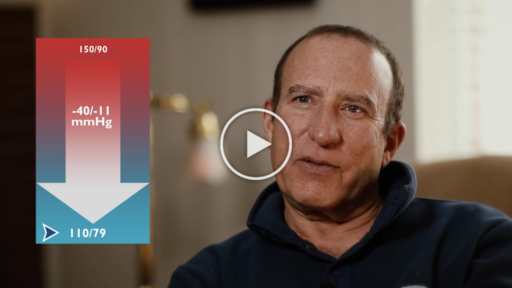
Watch How Mark Lowered His Blood Pressure Naturally.
It was 150/100, this morning it was 110/79
Why does weight matter so much? The American Heart Association explains that being overweight puts extra strain on your heart. Similarly, the NHLBI notes that more body fat makes heart disease, high blood pressure, and type 2 diabetes more likely.
How Much Weight Loss Lowers Blood Pressure?
You do not need to reach an ideal weight to see a change. Mayo Clinic says blood pressure might drop about 1 mm Hg for each kilogram you lose. That is about 2.2 pounds.
In fact, Mayo Clinic notes that losing even 5 pounds can lower blood pressure. Likewise, the AHA says you might see health benefits from losing as few as 10 pounds.
What About Blood Pressure Medicine?
Weight loss may let some people reduce their blood pressure medicine, according to Mayo Clinic. Some may even stop it. However, Mayo Clinic is clear: never change your medicine on your own. Work with your health care team on any change. For more, read whether medication is always the answer.
The Two Keys: What You Eat and How You Move
Eating Pattern
The NHLBI’s DASH eating plan emphasizes vegetables, fruits, and whole grains. It also limits foods high in saturated fat, along with sweets and sugary drinks. For a closer look, see our guide to the DASH diet. Our post on the Pritikin diet covers another eating plan.
Physical Activity
Exercise helps both your weight and your blood pressure. Mayo Clinic says regular aerobic exercise can lower high blood pressure by about 5 to 8 mm Hg. It suggests 150 minutes of moderate activity a week, or 75 minutes of vigorous activity.
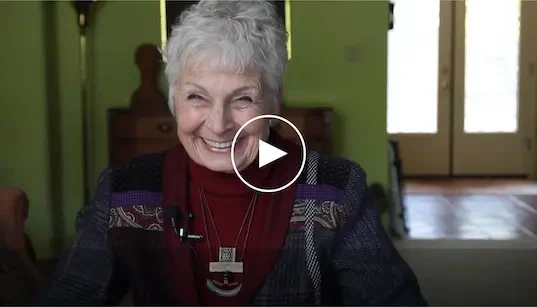
Watch how Julie Lowered her Blood Pressure Naturally.
It was 170/110, this morning it was 120/80
Learn More

Isometric holds, like wall sits and planks, are another option. Read about isometric exercise for blood pressure to learn how to start safely.
Setting Realistic Weight Loss Goals
Start small. If you have obesity and high blood pressure, small losses still count. The NHLBI says health professionals recommend losing 5% to 10% of your starting weight over about 6 months. For a 220-pound person, that means 11 to 22 pounds.
Next, get support. The AHA suggests working with a health care professional to set a calorie target and choose activities. It also points to low-cost options, such as YMCAs, community centers, and parks programs.
Finally, look at the bigger picture. Our guide to lifestyle choices for high blood pressure covers sleep, stress, alcohol, and sodium, too.
How to Lower Blood Pressure Naturally
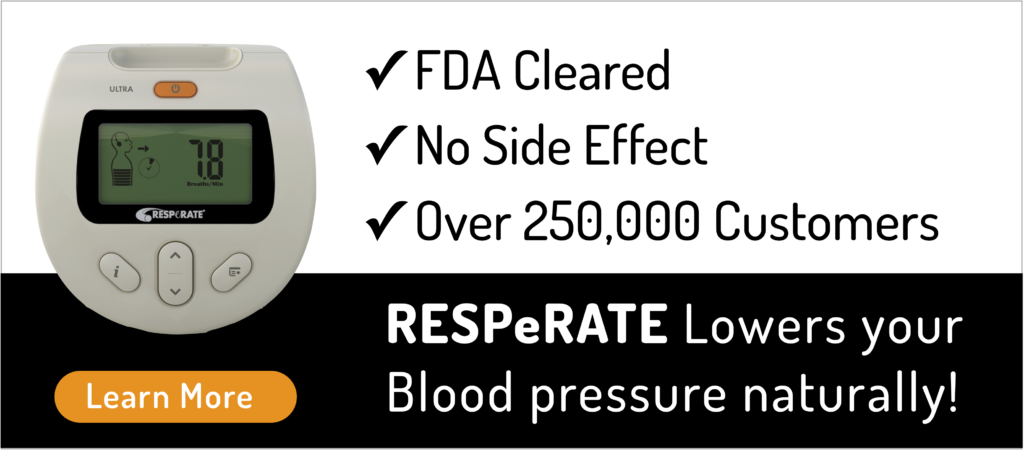
Understanding the link between obesity and high blood pressure is one step toward better heart health. RESPeRATE is an FDA-cleared device clinically shown to lower blood pressure through device-guided slow breathing. It works alongside your physician-directed treatment plan, not instead of it. See how RESPeRATE works and whether it fits your daily routine.


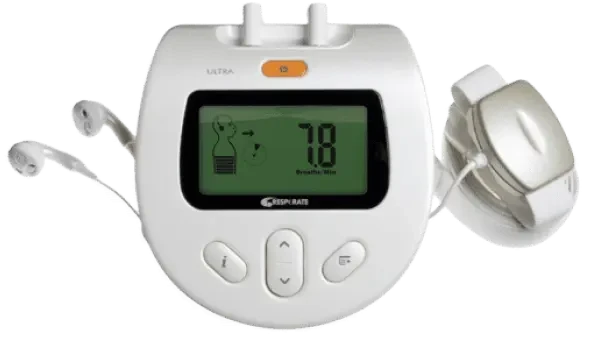
 Clinically proven


 Eli




