
 Brian Fairchild
Making the right lifestyle choices for high blood pressure is often the first thing a cardiologist will bring up at your appointment, and for good reason. Research consistently shows that six modifiable habits move blood pressure numbers in a meaningful direction, sometimes as effectively as a single medication. According to the National Heart, Lung, and Blood Institute, these changes work by addressing the underlying mechanisms that keep blood pressure elevated: arterial stiffness, sodium retention, chronic stress, and excess body weight.
This post covers each of the six categories in plain terms, what the change is, why it works, and what a realistic starting point looks like.
1. Shift Your Diet Toward the DASH Pattern
The DASH eating plan (Dietary Approaches to Stop Hypertension) is the most studied dietary intervention for blood pressure, and it has a consistent track record. The core idea is straightforward: load your plate with potassium, magnesium, calcium, and fiber while cutting back on sodium and saturated fat.
In practical terms, that means more vegetables, legumes, whole grains, and low-fat dairy, and less processed food, red meat, and added salt. The American Heart Association lists dietary changes as the first lifestyle modification it recommends, precisely because the evidence is so strong.
Sodium is the most immediate lever. Most people with high blood pressure are sodium-sensitive, meaning their blood pressure rises measurably in response to salt intake. The DASH sodium limit is 2,300mg per day, roughly one teaspoon. Most people in the United States consume 3,400mg or more daily, largely from packaged and restaurant food rather than the salt shaker.
A few practical starting points:
- Read nutrition labels and aim for items under 140mg sodium per serving
- Replace processed grains with whole grains such as quinoa, brown rice, and whole oats
- Add one legume-based meal per week: chickpeas, lentils, or black beans are all high in potassium and magnesium
- Cook with lemon juice, garlic, and herbs in place of salt to maintain flavor
2. Build Regular Physical Activity Into Your Week
Regular aerobic exercise lowers blood pressure through several pathways. It reduces arterial stiffness, improves the efficiency of the heart, and helps manage body weight, which is itself a blood pressure driver.
The CDC recommends at least 150 minutes of moderate-intensity aerobic activity per week for adults, which works out to about 30 minutes five days a week. Brisk walking counts. Cycling, swimming, and dancing all count. You do not need a gym membership or a structured program to get the cardiovascular benefit.
For people who have been sedentary, the entry point is even lower. Studies have shown that 10-minute walks after meals produce measurable improvements in blood pressure over time. The key variable is consistency, not intensity.
Resistance training two days per week provides additional benefit beyond aerobic exercise alone. It does not need to be heavy lifting. Bodyweight exercises, resistance bands, and light dumbbells are all effective.
It was 150/100, this morning it was 110/79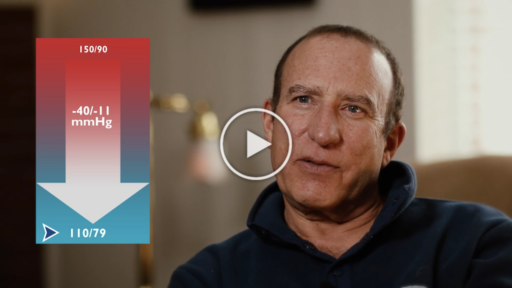
Watch How Mark Lowered His Blood Pressure Naturally.

3. Work Toward a Healthy Weight
Excess body weight puts direct mechanical pressure on the cardiovascular system and increases the workload on the heart. For people with high blood pressure who are also carrying excess weight, even modest weight loss produces measurable results.
The relationship is roughly linear: losing approximately 2.2 pounds is associated with a reduction of about 1 mmHg in systolic blood pressure, based on clinical estimates. That means a 10-pound loss can translate to a meaningful improvement in your numbers, without any other changes.
Weight management is not a single intervention. It is the combined result of dietary changes, regular activity, adequate sleep, and stress management, all of which are covered in this post. Addressing any one of these areas tends to support progress in the others.
The goal is not a specific number on a scale. The goal is a direction and a sustainable pace. Speak with your physician before making significant dietary changes, particularly if you manage other chronic conditions alongside high blood pressure.
4. Limit Alcohol
Alcohol raises blood pressure through multiple mechanisms, including increasing levels of certain hormones that cause blood vessels to narrow and stimulating the nervous system in ways that elevate heart rate. The effect is dose-dependent: the more consistently a person drinks, the higher their average blood pressure tends to run.
Both the NHLBI and the AHA include alcohol reduction as a core lifestyle recommendation. Current guidance from the American Heart Association suggests limiting intake, and many cardiologists working with hypertensive patients recommend eliminating it during an active effort to lower blood pressure.
If you currently drink regularly, reducing intake is one of the faster-acting lifestyle changes in terms of seeing a response in your blood pressure readings. The effect can appear within weeks.
5. Prioritize Sleep Quality and Duration
Sleep is one of the most underappreciated lifestyle factors in blood pressure management. During healthy sleep, blood pressure drops by 10 to 20 percent in what researchers call nocturnal dipping. People whose blood pressure does not dip during sleep have significantly higher cardiovascular risk.
The CDC notes that regularly getting less than seven hours of sleep is linked to an increased risk of high blood pressure, heart disease, and stroke. Seven to nine hours is the target range for most adults.
Sleep quality matters alongside duration. Obstructive sleep apnea, a condition in which breathing repeatedly stops during sleep, is strongly associated with elevated blood pressure and is frequently undiagnosed. If you snore heavily, wake unrefreshed, or your partner reports that you stop breathing during sleep, this is worth discussing with your physician.
Practical sleep hygiene steps:
- Keep a consistent sleep and wake time, including weekends
- Avoid caffeine after early afternoon
- Keep the bedroom cool and dark
- Limit screen exposure in the hour before bed
- Avoid alcohol close to bedtime, as it fragments sleep architecture even when it helps you fall asleep initially
It was 170/110, this morning it was 120/80
Watch how Julie Lowered her Blood Pressure Naturally.


6. Manage Chronic Stress
Stress activates the sympathetic nervous system, which triggers the release of hormones that narrow blood vessels and increase heart rate. In the short term, this is a normal physiological response. When stress becomes chronic, the system stays activated and blood pressure remains elevated.
Stress management is not about eliminating pressure from your life. It is about building practices that activate the parasympathetic nervous system, the counterpart to the fight-or-flight response, often called the rest-and-digest state. In this state, heart rate slows, blood vessels relax, and blood pressure comes down.
Mindfulness-based practices have accumulated a meaningful body of clinical evidence in this area. The post Calm Your Mind and Heart: The Power of Mindfulness for High Blood Pressure covers the research in detail, including what type of practice and what duration of practice appears to produce the most consistent results.
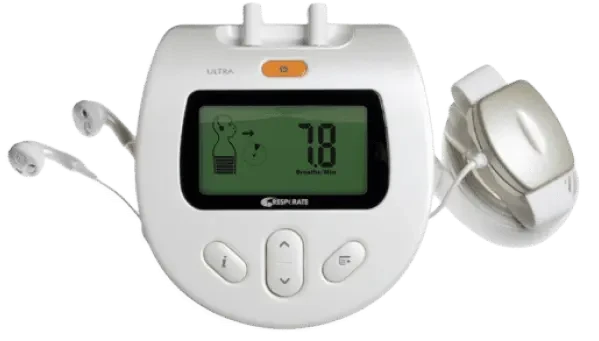
Device-guided slow breathing is another evidence-based approach. The Device-Guided Breathing for Stress Relief post explains how pacing your breath to fewer than ten cycles per minute activates the parasympathetic nervous system and produces a blood pressure response. This is the underlying mechanism of RESPeRATE, which has been cleared by the FDA as a non-drug device for blood pressure reduction.
Other approaches with supporting evidence include:
- Regular aerobic exercise (covered above under physical activity)
- Yoga and tai chi, both of which combine movement, breathing, and attention training
- Progressive muscle relaxation
- Journaling and structured worry time as a way of containing rumination
How RESPeRATE Fits Into Your Lifestyle Plan
RESPeRATE is designed to work alongside your physician-directed treatment plan, not to replace any part of it. It uses a biofeedback-guided breathing protocol that trains your body to slow its respiratory rate below ten breaths per minute. This activates the parasympathetic nervous system consistently, which is the same mechanism behind the stress management approaches described above.
The device is cleared by the FDA as a non-drug treatment option for blood pressure reduction and is used at home for 15-minute sessions. It is not a substitute for the dietary, exercise, sleep, and stress management practices in this post, but it fits naturally alongside them as part of a comprehensive approach.
The Bottom Line
Making meaningful lifestyle choices for high blood pressure does not require doing everything at once. Most people who work with their physicians on blood pressure management start with one or two changes, build consistency, and add others over time.
The six areas covered here (diet, exercise, weight, alcohol, sleep, and stress) are the same ones that appear in guidance from the NHLBI, the American Heart Association, and the CDC, because the evidence behind them is the strongest available. They are not alternatives to medical care. They are the foundation that medical care is typically built on.
Talk with your physician about which of these areas offers the most leverage for your specific situation. Then start there.

 Clinically proven


 Eli
Eli 




Comments