
 Brian Fairchild
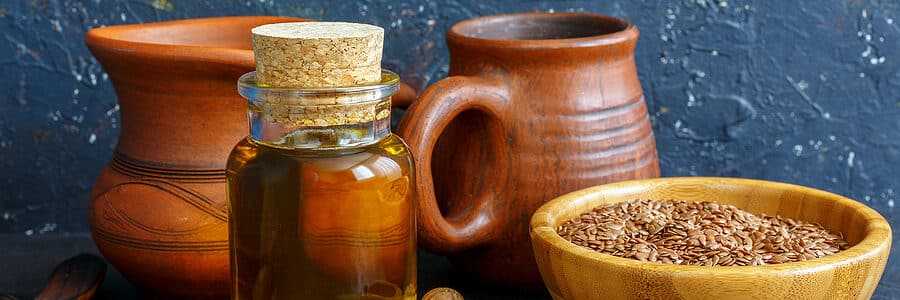
Flaxseed and blood pressure have a small but real research record. These tiny seeds contain fiber, plant omega-3 fats, and plant compounds called lignans. Several trials suggest that adding flaxseed to your diet may modestly lower blood pressure. Here is what the studies found and how to add flaxseed safely.
What Is in Flaxseed?
According to the American Heart Association, a 1-ounce serving of whole flaxseed has about 150 calories. It also contains 7.6 grams of fiber and 6.4 grams of omega-3 fats. The AHA adds that lignans, fiber, and healthy fats may help lower cholesterol and blood pressure. That is why researchers study flaxseed and blood pressure together.
What the Research Shows on Flaxseed and Blood Pressure
A Review of 15 Trials
A review in Clinical Nutrition pooled 15 trials with 1,302 people. On average, flaxseed lowered blood pressure by about 2.9/2.4 mm Hg. In trials lasting more than 12 weeks, the drop was a little larger, at about 3.1/2.6 mm Hg.
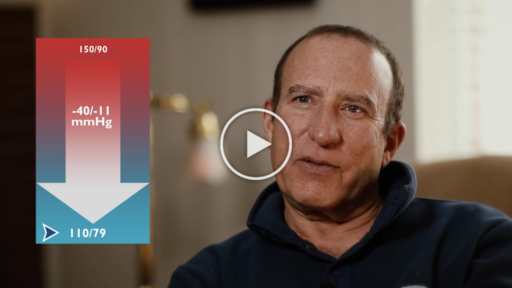
Watch How Mark Lowered His Blood Pressure Naturally.
It was 150/100, this morning it was 110/79
The form mattered, too. Flaxseed powder lowered both numbers, while flaxseed oil lowered only the bottom number. Lignan extracts showed no significant change. Even so, the authors called for longer, well-controlled trials to find the best dose.
A 6-Month Trial
One 2013 trial tested 30 grams of milled flaxseed a day in 110 people with peripheral artery disease. After 6 months, their readings were about 10/7 mm Hg lower than the placebo group’s. That result is larger than the review’s average, so it needs confirming in other groups.
How to Add Flaxseed to Your Diet
Most of the blood pressure benefit in the review came from flaxseed powder, so ground flaxseed is a sensible choice. Here are a few easy ways to use it:
- Stir it into oatmeal, yogurt, or a smoothie.
- Add it to muffin, pancake, or bread batter.
- Sprinkle it over a salad or a bowl of soup.
Start slowly. The AHA notes that eating too much too fast without enough fluid can cause constipation or diarrhea. So drink plenty of water as you add more.
Flaxseed Safety Tips
Flaxseed is a food, but it still needs some care. Keep these points in mind:
- Do not eat raw or unripe flaxseed. The NCCIH says it may contain potentially toxic compounds.
- Talk with your doctor if you take blood thinners, blood pressure medicine, or diabetes medicine. Mayo Clinic notes possible interactions with all three.
- Avoid flaxseed during pregnancy or breastfeeding, as Mayo Clinic advises.
- Check with your doctor first if you have irritable bowel disease or diverticulitis, as the AHA advises.

Watch how Julie Lowered her Blood Pressure Naturally.
It was 170/110, this morning it was 120/80
Learn More

Most important, flaxseed does not replace your blood pressure medicine. Never stop or change a prescription without your doctor.
Where Flaxseed Fits in Your Plan
Flaxseed and blood pressure research points to a modest benefit, best seen as one part of a healthy diet. For other options ranked by evidence, read our guide to natural remedies for high blood pressure. You can also compare flaxseed with chia seeds.
Looking for a plant-based dinner? Try our baked falafel.
How to Lower Blood Pressure Naturally
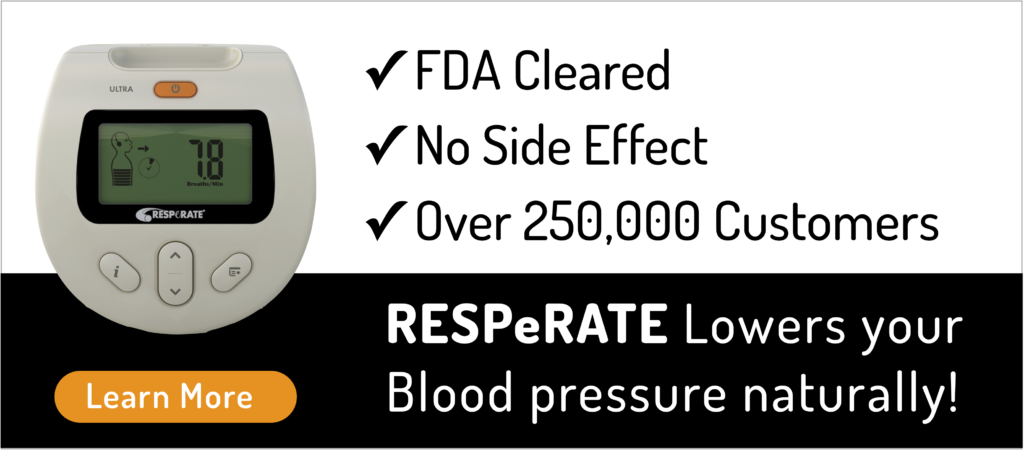
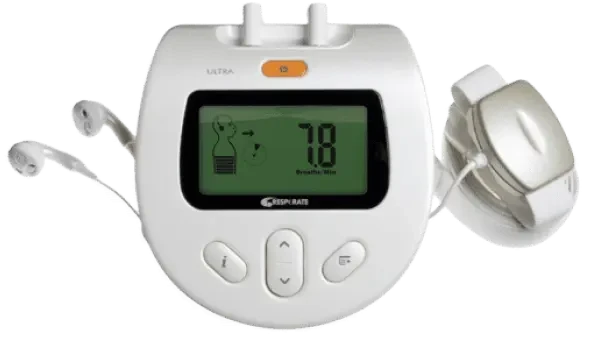
Adding a spoonful of flaxseed is one simple step toward a heart-healthy routine. RESPeRATE is an FDA-cleared device clinically shown to lower blood pressure through device-guided slow breathing. It works alongside your physician-directed treatment plan, not instead of it. See how RESPeRATE works and whether it fits your daily routine.


 Clinically proven

 Eli





Comments