Brian Fairchild
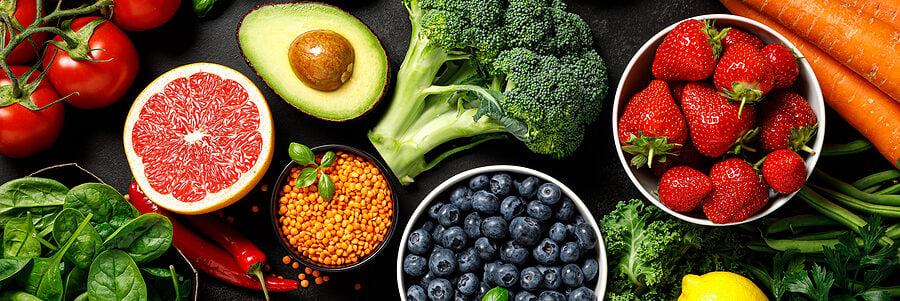
Natural remedies for high blood pressure range from teas to supplements. Some have solid research behind them, while others rest on one small study or none. Here are 14 popular options, sorted by the strength of the evidence. None of them replaces your treatment plan.
Start With the Basics
Before any single food or supplement, the core habits matter most. Those include a healthy eating pattern, less sodium, regular activity, and a healthy weight. Our guide to lifestyle choices for high blood pressure covers each one. Think of the remedies below as small additions to those habits, not substitutes. That way, natural remedies for high blood pressure can add to progress you are already making.
Natural Remedies for High Blood Pressure With the Most Research
These eight have the most human research. For most of them, a review pooled several trials.
1. Hibiscus Tea
A 2015 review of 5 trials included 390 people. Hibiscus tea lowered blood pressure by about 7.6/3.5 mm Hg. The drop was larger in people with higher starting readings. Still, the authors called for more well-designed trials. For another option, see our post on green tea.
2. Beetroot Juice
Beets are rich in nitrate. A 2013 review of 16 trials found that nitrate and beetroot juice lowered systolic pressure by about 4.4 mm Hg. However, the trials were short, and the change in diastolic pressure was not significant.
3. Pomegranate Juice
A 2023 review of 14 trials found that pomegranate juice lowered systolic pressure by about 5 mm Hg. Larger daily amounts tended to work better. Keep in mind that juice adds natural sugar, so watch your portion.

Watch How Mark Lowered His Blood Pressure Naturally.
It was 150/100, this morning it was 110/79
4. Dark Chocolate and Cocoa
A 2017 Cochrane review pooled 40 trials. On average, flavanol-rich cocoa lowered blood pressure by about 1.8/1.8 mm Hg. In people with high blood pressure, systolic pressure fell about 4 mm Hg. Since chocolate also brings sugar and fat, a small amount is plenty. Read more about dark chocolate.
5. Flaxseed
In a 2013 trial of 110 people with peripheral artery disease, 30 grams of milled flaxseed daily lowered blood pressure. After 6 months, readings were about 10/7 mm Hg lower than placebo. That is only one trial, though, so it needs confirming. See our post on flaxseed and blood pressure.
6. Nuts, Especially Pistachios
A 2015 review of 21 trials looked at several kinds of nuts. Of them, pistachios showed the clearest drop in blood pressure. Choose unsalted nuts to avoid added sodium.
7. Onions and Quercetin
Onions contain a plant compound called quercetin. A 2016 review of 7 trials found that quercetin supplements lowered blood pressure by about 3.0/2.6 mm Hg. The effect seemed limited to supplement doses above 500 mg a day. Still, onions are a healthy addition, as in our onion soup.
8. Watermelon and L-Citrulline
Watermelon contains L-citrulline. A review of 8 trials found that L-citrulline supplements lowered systolic pressure by about 4 mm Hg. Those trials used 3 to 9 grams a day of the supplement, not watermelon itself.
Natural Remedies With Mixed or Limited Evidence
9. Coenzyme Q10 (CoQ10)
CoQ10 is a popular supplement for heart health. Yet a 2016 Cochrane review found moderate-quality evidence that it does not meaningfully lower blood pressure.
10. Vitamin D
Results for vitamin D vary widely. A 2025 review of 12 studies found mostly small changes, with results that differed by dose and length of use. The authors called for more research. Ask your doctor before taking high doses.
11. Cardamom
In one small 2009 trial, 20 adults with stage 1 high blood pressure took cardamom. They had 3 grams of the powder a day.

Watch how Julie Lowered her Blood Pressure Naturally.
It was 170/110, this morning it was 120/80
Learn More

After 12 weeks, their blood pressure fell. Even so, one trial of 20 people is not enough to rely on.
12. Cat’s Claw
According to the NCCIH, no conclusive human research supports cat’s claw for any health use. It may lower blood pressure and slow blood clotting, and it can cause headache, dizziness, and vomiting. In addition, it may interact with some medicines.
13. Celery Seed Extract
Earlier versions of this list leaned on animal and lab studies for celery seed. We take a closer look at the human research in our post on celery seed extract.
14. Arjuna Bark
Arjuna is a traditional herb from India. We could not find strong human trials showing that it lowers blood pressure. For that reason, it ranks last here.
Safety Tips Before You Try a Natural Remedy
- Talk with your doctor or pharmacist before starting any supplement, especially if you take blood pressure medicine.
- Never stop or change your medicine on your own.
- Try one change at a time, and track your readings at home.
- Choose foods and drinks over pills when you can, and watch added sugar and sodium.
When a Reading Is Too High
Some readings need care right away, not a home remedy. According to Mayo Clinic, a reading of 180/120 mm Hg or higher is a hypertensive crisis. If you have no symptoms, rest for a few minutes and check again. Then, if it stays that high, get medical care.
Call 911 if a reading that high comes with chest pain, trouble breathing, or signs of stroke. Those signs include numbness, trouble walking or speaking, and vision changes.
How to Lower Blood Pressure Naturally
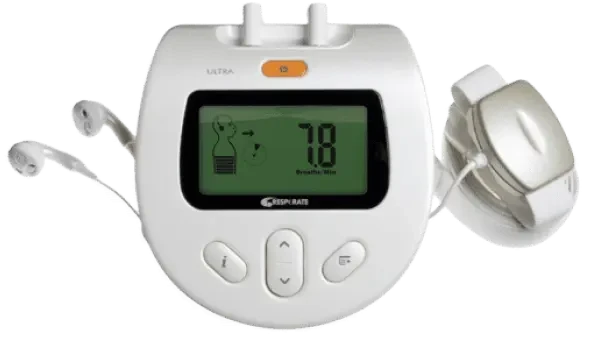
Choosing natural remedies for high blood pressure with real evidence is one smart step. RESPeRATE is an FDA-cleared device clinically shown to lower blood pressure through device-guided slow breathing. It works alongside your physician-directed treatment plan, not instead of it. See how RESPeRATE works and whether it fits your daily routine.


 Clinically proven

 Eli