
 Brian Fairchild
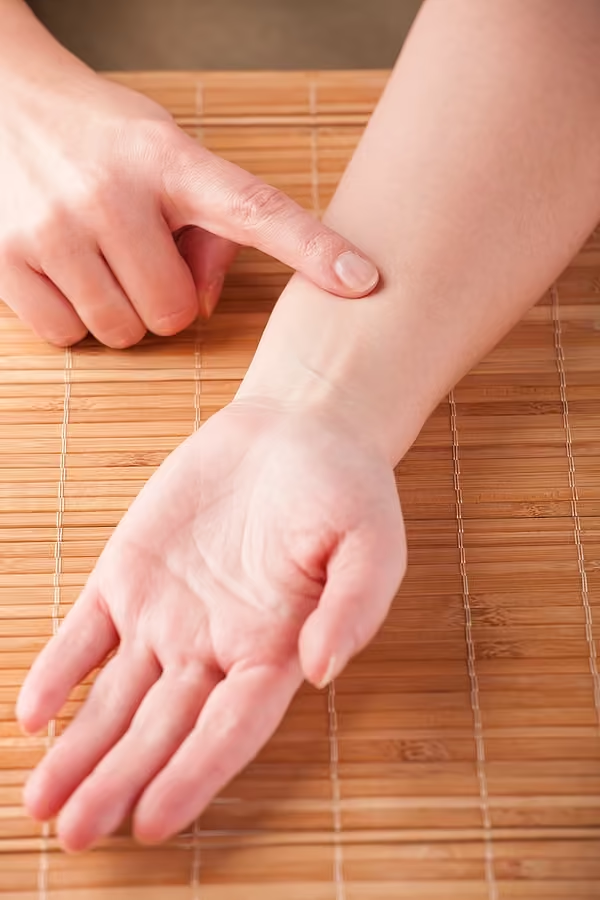
Acupressure points for sleep are easy to try in bed. You press specific spots on your body with your fingers, with no needles involved. Some research suggests it may improve sleep quality, though the studies have limits. Here are five points, how to find them, and how to stay safe.
What the Research Shows About Acupressure and Sleep
A 2018 systematic review in Sleep Medicine Reviews looked at 32 randomized trials. In the trials that compared it with fake acupressure, real acupressure improved sleep quality scores. It helped most with how fast people fell asleep and how long they slept. Notably, none of the trials reported side effects.
Still, the authors urged caution. In many trials, patients and staff knew who got the real treatment. That can affect results. Also, most trials pressed each point for 1 to 5 minutes, several times a week, for 3 to 4 weeks.
How to Find 5 Acupressure Points for Sleep
These locations and times come from Allina Health and the University of Minnesota. Use your fingertip or thumb, and keep the pressure comfortable.
1. Shenmen (HT7), or Spirit Gate
Find it on the inner wrist crease, near the base of your pinky finger. Gently press in small circles with your thumb for 1 to 2 minutes on each wrist. Allina Health suggests doing this about 30 minutes before bed.
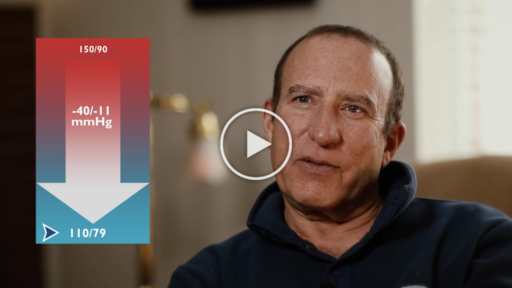
Watch How Mark Lowered His Blood Pressure Naturally.
It was 150/100, this morning it was 110/79
In fact, most trials in the 2018 review used this point.
2. Anmian, or Peaceful Sleep
This point sits behind the ear, in the soft hollow just above the base of the skull. Lie down and use gentle circles for 2 to 3 minutes on each side. However, avoid firm pressure here. The University of Minnesota warns that hard pressure could damage a small bone near the ear.
3. Yin Tang, or Third Eye Point
Find the spot between your eyebrows, just above the bridge of your nose. Use your index or middle finger to press in gentle circles for 1 to 2 minutes. Breathe slowly and deeply as you go.
4. Neiguan (PC6), or Inner Gate
Find this point on your inner forearm, about three finger widths up from the wrist crease. It lies between the two tendons. Then press with your thumb for 1 to 2 minutes on each wrist.
5. Sanyinjiao (SP6), or Three Yin Intersection
Find the highest point of your inner ankle bone. Next, measure four finger widths up the inside of your leg. The point is just behind the shin bone. For timing, the VA suggests about 30 seconds per point on each side.
Important: skip this point if you are pregnant. The University of Minnesota lists it as unsafe during pregnancy.
Acupressure Safety Tips
Acupressure points for sleep are gentle to use, but a few rules apply. According to the VA and Allina Health:
- Talk with your provider first if you are pregnant, bruise easily, or have a chronic health condition.
- Skip any area with a cut, bruise, infection, severe swelling, or numbness.
- Avoid areas near a recent blood clot, and check with your doctor after recent surgery.
- Use pressure that feels good, not painful.
- Stop right away if you feel discomfort, dizziness, or other unusual symptoms.

Watch how Julie Lowered her Blood Pressure Naturally.
It was 170/110, this morning it was 120/80
Learn More

Acupressure points for sleep are no substitute for treating chronic insomnia. If poor sleep lasts for weeks, talk with your doctor. Our guide on how to beat insomnia covers the therapy doctors recommend first.
Pair Acupressure With a Calm Bedtime Routine
You can also combine acupressure with other relaxing habits. For example, slow breathing is one simple technique. Read the science behind slow breathing for stress relief to learn more. To see why good sleep matters for your heart, read what quality sleep does for your body.
How to Lower Blood Pressure Naturally
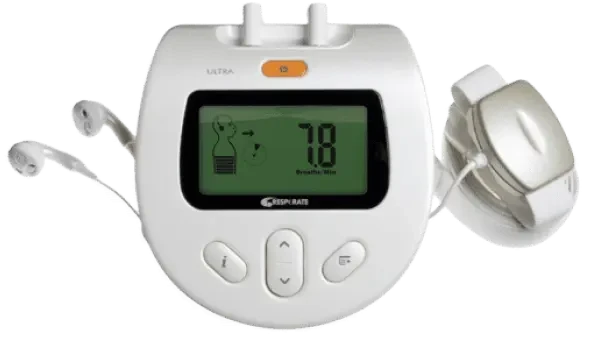
A calm bedtime routine is one simple step toward a heart-healthy day. RESPeRATE is an FDA-cleared device clinically shown to lower blood pressure through device-guided slow breathing. It works alongside your physician-directed treatment plan, not instead of it. See how RESPeRATE works and whether it fits your daily routine.


 Clinically proven


 Eli





Comments