
 Eli Ben-Yehuda
Breathing is something we do automatically, often without a second thought. Yet, beneath its simplicity lies a powerful physiological mechanism that directly influences stress, heart health, and blood pressure. In recent years, scientific research has increasingly focused on slow, controlled breathing as an effective, non-invasive way to support cardiovascular health and emotional well-being. Far from being a vague relaxation practice, slow breathing has measurable effects on the nervous system, hormones, and blood vessels—making it a valuable tool in modern health strategies.
As chronic stress and hypertension continue to rise worldwide, understanding how slow breathing works can empower individuals to take an active role in their health. This article explores the science behind slow breathing, how it affects blood pressure, and why it is so effective at reducing stress.
Understanding the Stress–Blood Pressure Connection
Stress and blood pressure are closely linked through the autonomic nervous system, which controls involuntary functions such as heart rate, digestion, and respiration. When the body perceives stress—whether physical, emotional, or psychological—it activates the sympathetic nervous system, often referred to as the “fight or flight” response. This response increases heart rate, constricts blood vessels, and raises blood pressure to prepare the body for action.
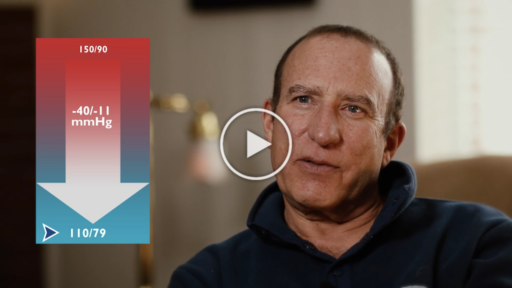
Watch How Mark Lowered His Blood Pressure Naturally.
It was 150/100, this morning it was 110/79
While this reaction is useful in short-term emergencies, chronic stress keeps the sympathetic nervous system over-activated. Over time, this constant state of alertness contributes to persistently elevated blood pressure, inflammation, and increased cardiovascular risk. This is where slow breathing becomes particularly relevant, as it helps counteract this stress-driven cycle.
The Role of the Parasympathetic Nervous System
Slow breathing primarily works by stimulating the parasympathetic nervous system, also known as the “rest and digest” system. This branch of the nervous system promotes relaxation, lowers heart rate, and encourages blood vessels to dilate. When parasympathetic activity increases, the body shifts out of stress mode and into a state of recovery.
One of the key players in this process is the “vagus nerve”, a major nerve that connects the brain to the heart, lungs, and digestive system. Slow, deep breathing enhances vagal tone, which improves communication between the brain and heart. Higher vagal tone is associated with better emotional regulation, lower stress levels, and improved cardiovascular health.
How Slow Breathing Influences Blood Pressure
Scientific studies have shown that slow breathing—typically defined as around 4 to 6 breaths per minute can lead to significant reductions in both systolic and diastolic blood pressure. This happens through several interconnected mechanisms.
First, slow breathing improves baro-reflex sensitivity. The baroreflex is a feedback system that helps the body maintain stable blood pressure by adjusting heart rate and blood vessel diameter. When breathing slows, baroreceptors become more responsive, allowing the body to regulate blood pressure more effectively.
Second, slow breathing reduces vascular resistance. As the breath deepens and slows, blood vessels relax and widen, allowing blood to flow more easily. This decrease in resistance directly lowers blood pressure and reduces strain on the heart.
Finally, slow breathing lowers the production of stress hormones such as cortisol and adrenaline. These hormones play a significant role in raising blood pressure during stressful situations. By calming the nervous system, slow breathing helps keep hormone levels in balance.
Heart Rate Variability and Cardiovascular Health
One of the most important physiological markers influenced by slow breathing is heart rate variability (HRV). HRV refers to the variation in time between heartbeats and is considered a key indicator of nervous system flexibility and resilience.
Higher HRV is associated with better stress adaptation, improved emotional control, and lower cardiovascular risk. Slow breathing increases HRV by creating a rhythmic interaction between breathing and heart rate, a phenomenon known as respiratory sinus arrhythmia. This synchronization strengthens the heart’s ability to respond efficiently to changing demands, which is especially beneficial for individuals with high blood pressure or chronic stress.
The Psychological Effects of Slow Breathing
Beyond its physical benefits, slow breathing has a profound impact on mental and emotional health. Stress, anxiety, and rumination are often accompanied by shallow, rapid breathing patterns that reinforce feelings of tension. Slow breathing reverses this pattern, sending calming signals to the brain.
Neuro-imaging studies suggest that controlled breathing influences brain regions involved in emotion regulation, including the amygdala and prefrontal cortex. By slowing the breath, individuals can reduce emotional reactivity and improve focus, clarity, and emotional balance. This psychological calming effect further supports lower blood pressure by reducing stress-induced nervous system activation.
Clinical Evidence Supporting Slow Breathing
Numerous clinical trials have examined slow breathing as an intervention for hypertension and stress-related disorders. Research has shown that regular breathing practice can lead to sustained blood pressure reductions comparable to some lifestyle interventions, such as dietary changes or moderate exercise.
In some studies, participants practicing slow breathing for as little as 10 to 15 minutes per day experienced noticeable improvements within a few weeks. These benefits were particularly pronounced in individuals with mild to moderate hypertension, suggesting that breathing techniques can serve as a valuable complement to medical treatment.
Healthcare providers increasingly recognize slow breathing as a low-risk, cost-effective strategy that can be safely integrated into broader treatment plans.
Types of Slow Breathing Techniques
While the underlying principle remains the same, several breathing techniques emphasize slow, controlled respiration:
-
- Diaphragmatic Breathing: Which focuses on deep belly breaths rather than shallow chest breathing.
- Paced Breathing: Where inhalation and exhalation are timed evenly.
- Extended Exhalation Breathing: Which lengthens the exhale to enhance parasympathetic activation.
Regardless of the specific technique, the key elements are slow pace, steady rhythm, and relaxed effort. Consistency matters more than perfection when it comes to achieving physiological benefits.
Integrating Slow Breathing Into Daily Life
One of the greatest advantages of slow breathing is its accessibility. It can be practiced almost anywhere—at home, at work, or even during moments of acute stress. Incorporating it into daily routines, such as morning rituals, breaks during the workday, or before sleep, helps reinforce its benefits over time.
Slow breathing can also be paired with other stress-reduction practices like meditation, gentle movement, or mindfulness. Over time, regular practice can reshape habitual breathing patterns, making calm, efficient breathing the body’s default state rather than a conscious effort.
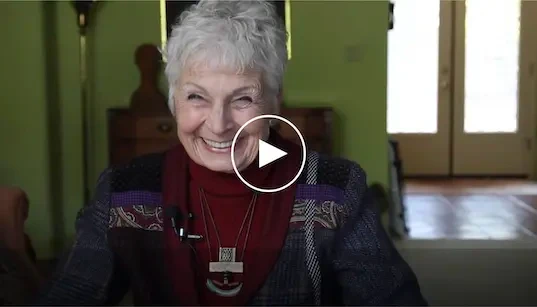
Watch how Julie Lowered her Blood Pressure Naturally.
It was 170/110, this morning it was 120/80
Learn More

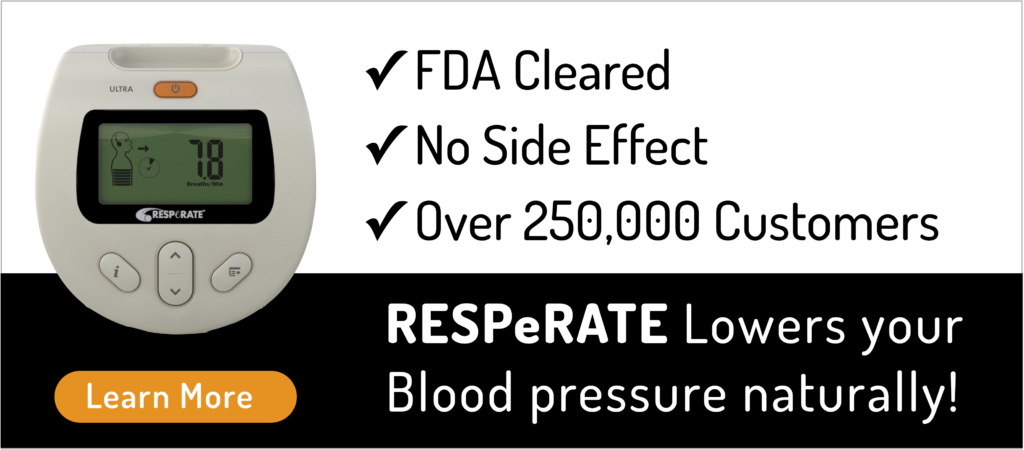
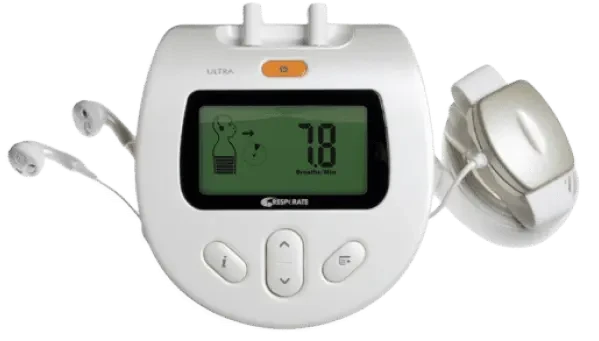
RESPeRATE can fit into slow-breathing exercises as a structured, technology-guided way to achieve the breathing pace that research shows is most effective for lowering blood pressure and stress. Rather than teaching a completely new method, it supports and refines slow breathing by providing real-time guidance and feedback.
How RESPeRATE Enhances Slow-Breathing Practice
It Provides Precise Pacing
One of the challenges of slow breathing is maintaining the correct pace consistently. RESPeRATE removes the guesswork by:
-
-
- Detecting your natural breathing rate.
- Gradually slowing it down at a safe, comfortable pace.
- Preventing over-slowing, which can cause dizziness or discomfort.
-
This makes it especially useful for beginners or individuals with high stress who struggle to slow their breath on their own.
A Complementary Approach, Not a Replacement
While slow breathing offers powerful benefits, it is important to view it as part of a holistic approach to health. It does not replace prescribed medications or professional medical care, particularly for individuals with severe hypertension. However, it can significantly enhance the effectiveness of other treatments by addressing the underlying stress mechanisms that contribute to high blood pressure.
By reducing nervous system overload and improving physiological regulation, slow breathing supports long-term cardiovascular health in a natural, sustainable way.
Chronic sympathetic activation does not just raise blood pressure. It can also intensify tinnitus, a ringing or buzzing in the ear that grows more noticeable under stress. Learn more about the connection between high blood pressure and hearing loss and why protecting one often means protecting the other.
Device-guided breathing isn’t the only path people explore for stress-driven blood pressure relief. Some look into whether RESPeRATE could help veterans managing PTSD, or bring the same approach into a corporate wellness setting. If you’re wondering how it actually holds up in daily use, this real-world review walks through it, and our explainer on device-guided breathing covers the mechanism in more depth.
Conclusion
The science of slow breathing reveals a simple yet profound truth: how we breathe directly shapes how our body responds to stress and regulates blood pressure. Through its influence on the nervous system, heart rate variability, hormones, and blood vessel function, slow breathing provides a scientifically validated pathway to greater calm and better cardiovascular health.
In a world where stress often feels unavoidable, slow breathing offers a rare combination of simplicity, accessibility, and effectiveness. With consistent practice, it becomes more than a technique—it becomes a skill that empowers individuals to take control of their stress levels and support their heart health, one breath at a time.


 Clinically proven

 Brian
Brian 





Comments
One Reply to “The Science Behind Slow Breathing for Stress Relief and Heart Health”
Thanks for sharing. Valuable information