
 Brian Fairchild
Could you imagine not being able to hear the voice of someone you love, or your favorite piece of music? High blood pressure and hearing loss are connected more closely than most people realize, and that connection deserves attention if you live with hypertension.
Hearing loss and tinnitus, a ringing, buzzing, or static sound heard constantly in the ear, can stem from many causes, including loud noise exposure and certain medications. What many people do not realize is that blood pressure can directly influence the severity of these symptoms. Tinnitus can also be affected by stress and emotional state. The ear sits close to the brain, and this region receives substantial, constant blood flow. That helps explain why elevated blood pressure affects hearing, and why severity often tracks with how well you control your blood pressure.
It was 150/100, this morning it was 110/79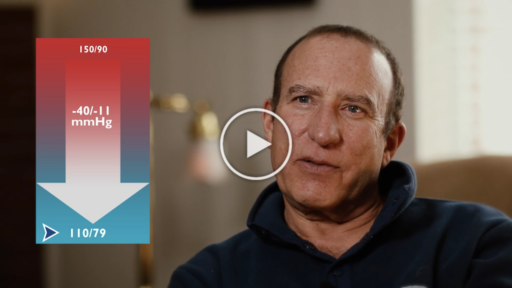
Watch How Mark Lowered His Blood Pressure Naturally.
What the Hearing Loss Studies Show
The foundational research on this topic comes from Dr. Mohan Jagade, head of the ENT department at Grant Medical College and J.J. Hospital in Mumbai. His study appeared in the Indian Journal of Otolaryngology and Head and Neck Surgery. It compared 150 hypertensive patients to 124 normotensive controls, all between ages 45 and 64. The researchers found a significant association between hypertension and an increased hearing threshold. They concluded that hypertension accelerates the natural degeneration of the hearing apparatus with age.
On a positive note, Dr. Jagade’s team also found that bringing blood pressure under control can help prevent additional hearing loss. Hearing loss makes communication harder. That can lead to social isolation, which in turn raises the risk of depression and related conditions. As Dr. Jagade put it: “Hypertension is a trigger for several kinds of diseases but hearing loss affects the quality of life and, therefore, it’s important to rectify it at the earliest.”
More recent research reinforces this picture. A 2024 systematic review and meta-analysis in Frontiers in Neurology examined the link between hypertension and hearing loss across multiple studies. A separate 2024 meta-analysis in Otolaryngology Head and Neck Surgery looked at the broader relationship between hearing loss and cardiovascular disease. Together, this research strengthens the case that blood pressure and hearing are closely linked. This is not a one-off finding from a single study.
When Hearing Loss Is Sudden
Sudden sensorineural hearing loss, often shortened to SSNHL, is a distinct and more alarming condition. It is marked by a rapid onset, hearing fine one day and struggling to hear the television within a week. This is different from the slow, gradual hearing loss associated with aging.
Researchers in Taiwan published a 2008 study in Stroke, a journal of the American Heart Association. They found that patients hospitalized for SSNHL faced a meaningfully higher stroke risk over a 5-year follow-up period than a control group did. The study suggested sudden hearing loss might serve as an early warning sign for cerebrovascular vulnerability.
It is worth presenting this honestly rather than overstating it. Later research has produced mixed results. A separate Taiwanese study examined idiopathic SSNHL specifically. Once researchers accounted for other established risk factors, SSNHL no longer independently increased stroke risk. Shared risk factors, rather than hearing loss itself, likely explain much of the association. A 2023 review in Frontiers in Neurology similarly notes that results across studies on hearing loss and stroke risk have been inconsistent. The honest takeaway is this: sudden hearing loss and cardiovascular risk frequently travel together. They likely share underlying drivers, such as vascular health, rather than one directly causing the other.
It was 170/110, this morning it was 120/80
Watch how Julie Lowered her Blood Pressure Naturally.


Why Stress Makes Tinnitus Worse
Stress and the body’s sympathetic nervous system response closely shape tinnitus severity. When the body perceives stress, blood vessels constrict and blood pressure rises, which can intensify the perception of ringing or buzzing in the ear. This is one more reason that managing stress and blood pressure together matters. For a deeper look at this process, see our guide to the science behind slow breathing for stress relief and heart health. It explains how calming the sympathetic nervous system supports healthier blood pressure overall.
Protecting Your Hearing and Your Blood Pressure
If you live with high blood pressure, getting your hearing checked by a trained audiologist is a worthwhile step. If you know someone with hearing loss, encourage them to check their blood pressure regularly as well. These two conditions often travel together, and recognizing the connection early gives you the best chance of protecting both.
Managing blood pressure through a physician-directed treatment plan, combined with lifestyle measures that support healthy blood vessels, gives your hearing the best chance of staying protected as you age.
Summary
High blood pressure and hearing loss connect through shared vascular biology. Research on this link has only grown stronger since the original 2013 Jagade study. Hypertension can accelerate hearing decline and intensify tinnitus. In the case of sudden hearing loss, it may signal broader cardiovascular vulnerability worth discussing with a physician. Bringing blood pressure under control will not reverse hearing already lost, but the evidence suggests it can help prevent further decline. Protecting your hearing means protecting your blood pressure too.
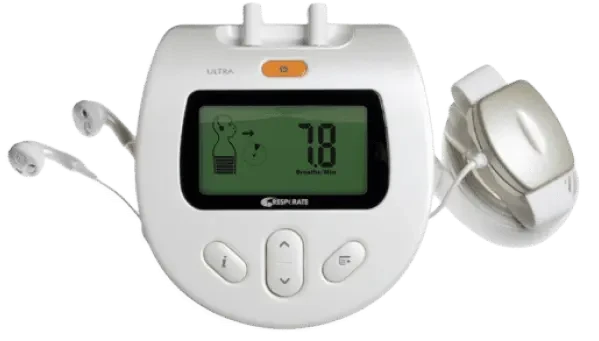
RESPeRATE works alongside your physician-directed treatment plan to support healthy blood pressure. Discover how it works.


 Clinically proven

 Eli
Eli 




