
 Brian Fairchild
You have probably seen them. The mobile ads that promise Tai Chi walking will melt belly fat, restore your energy, fix your balance, lower your blood pressure, and transform your health in just a few minutes a day, all without a gym membership, special equipment, or breaking a sweat.
Bold claims, but are they true?
The honest answer is more interesting than the ads let on. Some of the claims are genuinely backed by strong clinical evidence. Others are exaggerated, oversimplified, or presented in a way that sidesteps important context. Understanding the difference protects your health decisions and helps you make the most of a practice that has real, documented benefits for people managing hypertension and other cardiovascular conditions.
Here is what the research actually says.
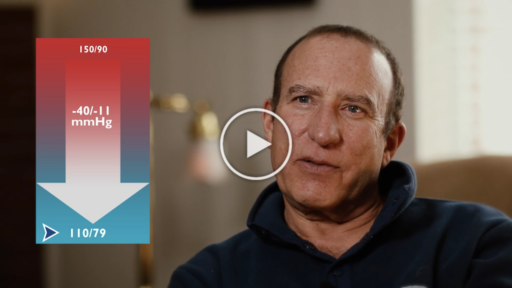
Watch How Mark Lowered His Blood Pressure Naturally.
It was 150/100, this morning it was 110/79
What Is Tai Chi and What Is Tai Chi Walking?
Tai Chi is an ancient Chinese practice that combines slow, deliberate movement sequences with deep breathing and a meditative focus. Originally a martial art, Tai Chi is now practiced worldwide primarily as a mind-body exercise. The CDC recognizes it as an evidence-based fall prevention program for older adults.
Tai Chi walking brings those same principles into a walking format. Weight shifting, coordinated breathing, and full body awareness guide every step. For people who find structured movement sequences difficult to learn, this variation offers a more accessible entry point.
The core claim is that both forms provide meaningful health benefits for deconditioned or older individuals who cannot or will not engage in conventional exercise. On that basic premise, the science is actually quite supportive.
Claim 1: Tai Chi Reduces Belly Fat
Verdict: Mostly True With Important Context
This is the claim most prominently featured in mobile ads, and it has a legitimate scientific foundation. A rigorous study published in the Annals of Internal Medicine found that Tai Chi may be an effective way to reduce belly fat in middle age. Researchers from the University of Hong Kong noted that both Tai Chi and conventional exercise improved central obesity by reducing waist circumference and body weight to a greater degree than those who did not exercise regularly. nih
The study protocol matters here. Researchers randomly assigned more than 500 adults over 50 with central obesity to Tai Chi, conventional exercise, or no exercise over three months. Participants in both exercise groups met for instructor-led workouts for one hour, three times a week, for 12 weeks. nih
Furthermore, a 2023-2024 meta-analysis of traditional Chinese exercise including Tai Chi found that it reduced body mass index, body fat, and waist circumference across various groups. Medical News Today
So the belly fat claim has real evidence behind it. The context the ads leave out is this: the studies used structured, supervised sessions of one hour, three times per week. A short daily video on your phone is unlikely to replicate those results on its own. Consistent, regular practice is what drives the outcomes.
Claim 2: Tai Chi Lowers Blood Pressure
Verdict: True and Well-Supported by Recent Research
This is where the evidence for Tai Chi is arguably strongest and most directly relevant to the RESPeRATE community.
Clinical evidence shows Tai Chi can lower systolic blood pressure by an average of 11 mmHg and diastolic pressure by 6 mmHg, while improving heart rate variability and autonomic nervous system function. ResearchGate
A 2024 randomized clinical trial published in JAMA Network Open took this further. Among 342 participants with prehypertension, Tai Chi was shown to be more effective than aerobic exercise in reducing systolic blood pressure after 12 months. That is a significant finding, Tai Chi outperforming conventional aerobic exercise in a well-designed randomized trial. PubMed Central
A 2025 meta-analysis published in Frontiers in Cardiovascular Medicine, drawing on data from multiple randomized controlled trials, confirmed that Tai Chi has a better blood pressure-lowering effect on grade 1 hypertension than on grade 2 hypertension, supporting its use as a scientifically validated exercise rehabilitation tool in clinical settings. PubMed
How does it work? Tai Chi activates the parasympathetic nervous system, the body’s natural rest and restore mode. Cortisol drops. Blood vessel walls become more elastic. Slow, diaphragmatic breathing deepens with every session, the same physiological mechanism that powers RESPeRATE’s guided breathing therapy. Both approaches work on the same underlying biology.
Claim 3: Tai Chi Improves Balance and Prevents Falls
Verdict: True, One of the Strongest Claims in the Literature
This is the most consistently supported benefit across dozens of studies. A 2023 systematic review and meta-analysis of randomized controlled trials confirmed that Tai Chi reduces falls and improves balance in older adults. ScienceDirect
The mechanism is straightforward. Tai Chi’s slow, weight-shifting movements train the proprioceptive system, the body’s internal sense of position and balance. Over time, that training translates into real-world stability. The fear of falling also decreases, which independently reduces fall risk by encouraging more movement and less sedentary behavior.
The CDC’s evidence-based fall prevention programs specifically include Tai Chi as a recommended intervention. That is not marketing. That is public health policy grounded in the research.
Claim 4: Tai Chi Helps With Joint Pain and Arthritis
Verdict: True, With Consistent Evidence
Tai Chi may improve cognition in older adults with cognitive impairment, improve balance and motor function, reduce fear of falling, and help manage symptoms of chronic diseases such as fibromyalgia and chronic obstructive pulmonary disease. EMJ
For joint health specifically, a randomized controlled trial published in BMC Geriatrics found that Tai Chi three times per week for 24 weeks significantly improved functional fitness, gait, balance, and lower extremity strength in older adults with knee osteoarthritis — alongside meaningful reductions in pain.
Tai Chi is low-impact by design. That makes it particularly accessible for people whose joint discomfort prevents them from engaging in higher-impact exercise. The gentle, flowing movements strengthen the muscles around joints without putting excessive load on the joint surfaces themselves.
Claim 5: Tai Chi Is a “Miraculous” All-In-One Solution
Verdict: False, and the FTC Agrees
This is where the ads go too far. Describing any exercise as “miraculous” crosses from evidence-based health communication into territory that the Federal Trade Commission explicitly warns consumers about. The FTC is clear: any promise of miraculous health transformation is a red flag.
Tai Chi is genuinely beneficial, but not miraculous. The benefits are real. Consistent practice over weeks and months is what produces them. They are enhanced when Tai Chi is part of a broader healthy lifestyle that includes a heart-healthy diet, good sleep, stress management, and, where appropriate, physician-directed medication management.
The ads target older, deconditioned adults deliberately. That audience is genuinely looking for accessible, low-impact solutions. Tai Chi is a legitimate one. The overselling is unnecessary and potentially harmful if it leads people to believe they can replace other elements of their health program with a short daily video.
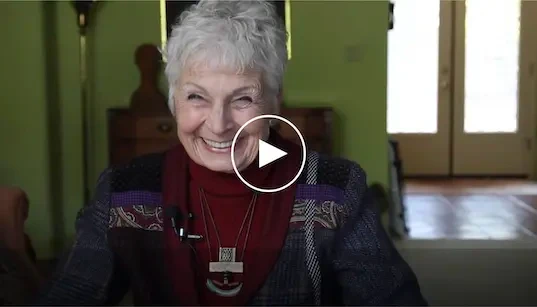
Watch how Julie Lowered her Blood Pressure Naturally.
It was 170/110, this morning it was 120/80
Learn More

How RESPeRATE and Tai Chi Work Together
The overlap between what Tai Chi does for blood pressure and what RESPeRATE does is not a coincidence. Both work through the same fundamental mechanism: slow, diaphragmatic breathing that activates the parasympathetic nervous system and triggers the release of nitric oxide, a natural vasodilator that relaxes blood vessel walls and reduces the resistance that drives high blood pressure.
Tai Chi achieves this through movement and meditative focus. RESPeRATE achieves it through clinically calibrated, device-guided breathing sessions. Used together as part of your overall health program, the two approaches address the same physiological targets through complementary pathways.
Furthermore, the stress-reduction benefits of Tai Chi, reduced cortisol, improved heart rate variability, calmer autonomic nervous system function all create the kind of internal environment in which the slow-breathing therapy RESPeRATE delivers is most effective. Less background physiological stress means the body is better positioned to respond to parasympathetic activation.
Tai Chi and RESPeRATE are not competing approaches. Both work through overlapping biology. Together, they form a complementary toolkit.
How to Get Started With Tai Chi
The good news is that starting Tai Chi requires no equipment, no special fitness level, and no previous experience. Here are practical first steps:
The Arthritis Foundation’s Tai Chi program is a well-validated starting point that was specifically designed for older adults and people with joint conditions. It is evidence-based, widely available, and easy to follow.
Community centers, senior centers, and local gyms frequently offer instructor-led Tai Chi classes. Supervised instruction is particularly valuable for beginners because correct posture and weight shifting are easier to learn with real-time feedback than from a screen alone.
If you prefer to start at home, look for programs affiliated with established Tai Chi organizations rather than anonymous mobile ads. Consistency matters far more than intensity. Three sessions per week of 45 to 60 minutes each, the duration used in most clinical trials, is the target to work toward.
Always consult your physician before starting a new exercise program, particularly if you are managing hypertension, cardiovascular disease, or joint conditions.
Summary
The mobile ads are onto something real — they are just overselling it. Tai Chi delivers clinically supported benefits for belly fat reduction, blood pressure management, balance, fall prevention, and joint health in older adults. The evidence base is genuine and growing. A 2024 randomized trial published in JAMA Network Open found Tai Chi more effective than aerobic exercise for blood pressure reduction in people with prehypertension. A 2025 meta-analysis confirmed its value for essential hypertension. The belly fat research from the University of Hong Kong is robust and peer-reviewed. None of that is miraculous. All of it is real. The key is consistent practice over time, not a quick fix. Combined with a heart-healthy diet, good sleep, and a physician-directed treatment plan, Tai Chi earns its place in any hypertension management program. It supports healthy aging at every level.
RESPeRATE works alongside your physician-directed treatment plan and lifestyle program to support healthy blood pressure through clinically proven, guided breathing therapy. Discover how it works.


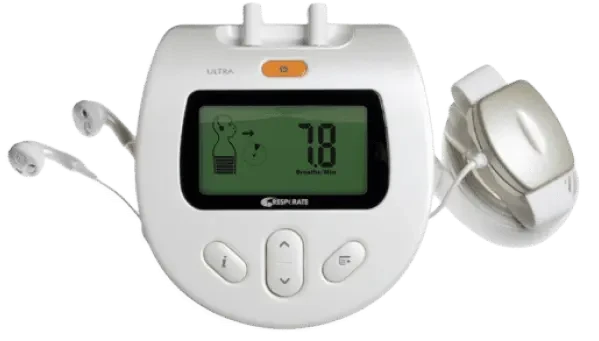
 Clinically proven


 Eli
Eli 




Comments