
 Brian Fairchild

Understanding how caffeine affects sleep could change when you pour your last cup of the day.
Most people know caffeine keeps them alert. Fewer know it can cut their sleep by more than an hour, even when they stop drinking it in the afternoon. A clinical study (Drake et al., 2013) found that caffeine taken six hours before bed still disrupted sleep significantly. Most participants did not notice the disruption at all.
This post breaks down what caffeine does in your body, what the research shows, and what time to put the coffee down.

Watch How Mark Lowered His Blood Pressure Naturally.
It was 150/100, this morning it was 110/79

What Is Caffeine?
Caffeine is a natural stimulant. Plants produce it as a defense against insects. Humans discovered it in coffee, tea, cacao, and kola nuts thousands of years ago.
Today caffeine also appears in energy drinks, sodas, some medications, and pre-workout supplements. It is the most widely consumed psychoactive substance in the world.
What Caffeine Does in Your Brain
Your brain builds up a chemical called adenosine throughout the day. Adenosine promotes drowsiness. The more it accumulates, the more your body wants sleep.
Caffeine blocks adenosine receptors. Your brain stops reading the sleep signal. You feel alert even when your body is tired.
Caffeine also interferes with melatonin. Melatonin tells your body it is time to sleep. Caffeine can delay its release and shift your internal clock later into the night.
The catch: caffeine does not clear adenosine. It only blocks the signal. When caffeine wears off, adenosine floods back and you often feel a sharp crash.
What the Research Shows
The key study on caffeine timing is Drake et al. (2013), published in the Journal of Clinical Sleep Medicine. Researchers gave 12 healthy adults 400 mg of caffeine at different times: zero hours, three hours, and six hours before bed. On a fourth night, they received a placebo at all three times.
Sleep was tracked with a diary and an in-home sleep monitor.
The results surprised many readers. Caffeine at all three time points reduced total sleep time. Even the six-hour condition cut sleep meaningfully. Participants reported feeling fine. Their monitors told a different story.
The takeaway: your perception of how well you slept does not always match the data. Caffeine can impair your sleep without you knowing it.
How Much Caffeine Is Too Much?
Most healthy adults tolerate up to 400 mg of caffeine per day without major side effects. That is roughly four standard cups of coffee. The Drake study used that same dose.
Sensitivity varies. Older adults often metabolize caffeine more slowly. People who drink caffeine rarely feel stronger effects from smaller amounts. Stress, certain medications, and genetics also play a role.
Higher doses can cause restlessness, a faster heart rate, and anxiety. These effects show up even in people who regularly drink caffeine.

Watch how Julie Lowered her Blood Pressure Naturally.
It was 170/110, this morning it was 120/80
Learn More

Caffeine, Sleep, and Blood Pressure
Poor sleep and high blood pressure connect closely. The NHLBI links chronic sleep deprivation to higher blood pressure and increased cardiovascular risk.
Caffeine also raises blood pressure directly, especially in people who do not drink it regularly. If you manage hypertension, the combination of disrupted sleep and caffeine-related blood pressure spikes is worth taking seriously. See our post on What Happens to Your Blood Pressure While You Sleep for a closer look at that connection.
When to Stop and What Else Helps
Based on the Drake study, stopping caffeine at least six hours before bed is a reasonable minimum. Many sleep researchers suggest cutting off earlier, around 2 PM for most people.
A few other habits also protect sleep quality:
- Keep a consistent bedtime. Your body clock responds to routine.
- Make your bedroom cool, dark, and quiet.
- Avoid alcohol close to bedtime. It fragments sleep in the second half of the night.
- Get regular exercise. Even a 20-minute walk improves sleep quality over time.
- Wind down for 30 minutes before bed. Screens, bright lights, and stressful tasks delay sleep onset.
For a deeper look at what else supports better sleep, read our post on Proven Natural Sleep Remedies That Help You Fall Asleep Faster.
The Bottom Line
Caffeine is safe for most people in moderate amounts. The timing matters more than most people realize.
Stopping six hours before bed is a starting point. Stopping earlier is better. If your sleep still feels off after cutting caffeine back, other factors may be at play.
The American Heart Association recommends good sleep as part of a comprehensive blood pressure management plan. Getting your caffeine timing right is one of the simpler adjustments you can make today.


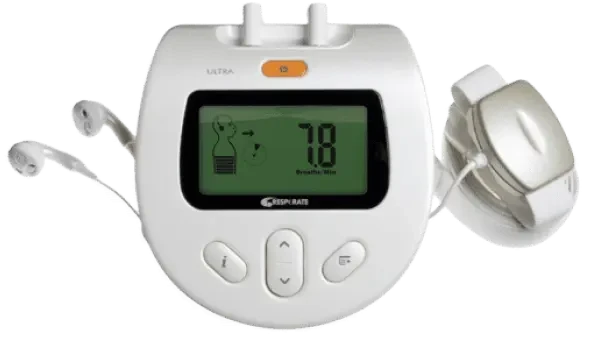
 Clinically proven

 Eli




