
 Brian Fairchild

Herbal insomnia treatment is one of the most searched natural health topics in America — and for good reason. More than a third of adults report regular sleep difficulties, and many are looking for options beyond prescription medication. Whether you struggle to fall asleep, wake in the night, or lie awake with a racing mind, the right herbal remedy may make a genuine difference.
More than a third of American adults report regular sleep difficulties, according to the American Academy of Sleep Medicine. For people managing high blood pressure, the stakes are higher still. Poor sleep disrupts the overnight blood pressure dip the cardiovascular system depends on for recovery.
The good news is that several herbal insomnia treatments have genuine, peer-reviewed clinical evidence behind them. This post covers five of the best. It also explains one popular remedy you may have seen recommended elsewhere that carries serious safety concerns and should be avoided.
As always, speak with your physician before starting any new supplement, particularly if you are managing hypertension or taking prescription medications.
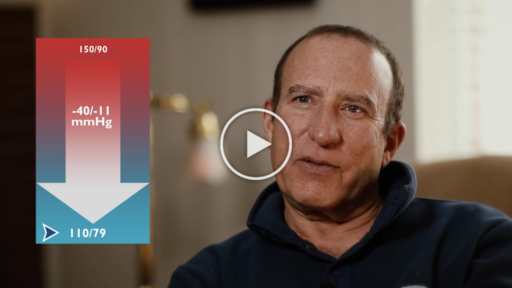
Watch How Mark Lowered His Blood Pressure Naturally.
It was 150/100, this morning it was 110/79
How Herbal Insomnia Treatment Works
Most effective herbal insomnia treatments work through one primary mechanism: modulating gamma-aminobutyric acid, better known as GABA. GABA is the brain’s main inhibitory neurotransmitter. It slows neuronal activity and creates the quiet, calm mental state that allows sleep to begin.
According to a systematic review published by the NIH, herbal medicines including valerian, passionflower, lemon balm, and lavender all interact with GABA receptor subtypes in ways that reduce sleep latency and improve sleep quality. That shared mechanism explains why these herbs consistently outperform placebo in well-designed clinical trials.
For any herbal insomnia treatment to work, the surrounding conditions matter too. Consistent sleep and wake times, a cool and dark room, limited screen exposure before bed, and low caffeine intake in the afternoon all support the body’s natural sleep architecture. Herbs work best as part of that broader picture.
1. Valerian Root: A Proven Herbal Insomnia Treatment
Valerian root has the longest clinical research history of any herbal insomnia treatment. Western medicinal valerian comes from Valeriana officinalis. It is described accurately as a soother of troubled nerves and a gentle inducer of sleep.
The usual therapeutic dose is 300 to 600 mg taken 30 to 60 minutes before bed. Valerian works best with consistent use. For dosing, drug interactions, and what the research does and does not show, read our full guide to valerian root for sleep. Unlike pharmaceutical sleep aids, it does not produce results from a single dose. Most clinical studies report meaningful improvements in sleep quality after two to four weeks of regular use.
A 2025 scoping review of over-the-counter insomnia products published in Sleep Medicine confirmed that valerian produced consistent sleep improvements across multiple randomized controlled trials, with mild and transient side effects and no serious adverse events. The review also found that the combination of valerian with hops and passionflower produced the strongest clinical results of any single herbal formula tested.
2. Passionflower: Clinically Proven for Total Sleep Time
Passionflower (Passiflora incarnata) is one of the most clinically compelling herbal insomnia treatments available, yet it remains far less well known than valerian.
Its active flavonoids, including chrysin and vitexin, act as partial agonists at GABA-A receptors. That is the same receptor system targeted by benzodiazepine sleep medications, but at far lower potency and with no documented dependence or tolerance.
The clinical evidence is genuinely strong. A double-blind, randomized, placebo-controlled trial published in the International Journal of Clinical Pharmacology enrolled 110 adults with insomnia disorder diagnosed according to DSM-5 criteria. Participants taking passionflower extract for two weeks showed a significant increase in total sleep time compared to placebo, alongside improvements in sleep efficiency and reductions in nighttime awakenings.
Furthermore, passionflower is approved as a non-prescription sleep aid in Germany under the Commission E monograph, giving it a regulatory standing that few herbal remedies achieve. It is available as tea, capsule, tincture, or standardized extract. For consistent dosing, standardized capsules of 300 to 700 mg taken 30 to 60 minutes before bed are recommended.
3. Ashwagandha: The Adaptogen That Addresses the Root Cause
Ashwagandha (Withania somnifera) approaches insomnia differently from valerian and passionflower. Rather than targeting GABA receptors directly, it works as an adaptogen, reducing the cortisol and physiological stress that prevent sleep onset in the first place.
This makes it particularly valuable for people whose insomnia is driven by stress, anxiety, or an overactive nervous system at bedtime, which describes the majority of insomnia sufferers.
The clinical evidence is substantial. A meta-analysis of five randomized controlled trials published in PLOS ONE found that ashwagandha extract produced a significant improvement in overall sleep quality, reduced sleep onset time, and improved mental alertness on waking. The effects were most pronounced in participants with diagnosed insomnia using doses of 600 mg or more daily for at least eight weeks. No serious side effects were reported across any of the included trials.
A follow-up systematic review and meta-analysis published in PubMed in 2024 confirmed ashwagandha’s efficacy for both anxiety and insomnia, reinforcing its status as one of the best-evidenced adaptogens for sleep support.
Ashwagandha may interact with immunosuppressant, sedative, and thyroid medications. Always consult your physician before use if you take any of these.

Watch how Julie Lowered her Blood Pressure Naturally.
It was 170/110, this morning it was 120/80
Learn More

4. Chamomile: The Gentlest Herbal Insomnia Treatment
Chamomile is the most widely used herbal insomnia treatment in the world. It is also one of the most misunderstood. Many people dismiss it as too mild to be effective. The research suggests otherwise.
Chamomile’s sedative effects come primarily from apigenin, a flavonoid that binds to benzodiazepine receptors in the brain. That is a direct, pharmacologically meaningful interaction, not merely a placebo effect.
Furthermore, chamomile is one of the safest options for regular use. It carries virtually no side effect risk at normal therapeutic doses. For older adults, people taking multiple medications, or anyone new to herbal insomnia treatment, chamomile tea is the ideal starting point.
A review published by the NIH on herbal GABA modulators confirms that chamomile reduces sleep latency and improves subjective sleep quality through its apigenin-mediated receptor activity. For best results, brew a strong cup using two grams of dried chamomile flowers, allow it to steep for ten minutes, and drink it 30 minutes before bed. Inhaling the steam is an additional component of its calming effect.
5. Lavender Aromatherapy: Proven to Calm the Nervous System
Lavender essential oil is the most extensively studied aromatherapy intervention for sleep. Its active compound, linalool, modulates the autonomic nervous system and reduces physiological arousal, the underlying state that keeps anxious or stressed people awake.
The NIH GABA herbal review confirms that lavender inhalation reduces sleep latency and improves objective sleep quality in multiple controlled studies. A specific oral lavender preparation called Silexan (80 mg daily) has also demonstrated clinical-grade efficacy for anxiety-related insomnia in several European randomized trials, outperforming placebo on validated sleep quality measures.
For practical use, diffuse lavender essential oil in your bedroom 30 minutes before sleep, or apply a few drops to your pillow. Consistency matters. The calming effect of lavender builds with regular exposure as the nervous system becomes conditioned to associate the scent with sleep.
A Word on Kava-Kava: Why We No Longer Recommend It
You may see kava recommended elsewhere as a natural sleep remedy. We have chosen to remove it from this list entirely, and the reasons are important.
The FDA has issued a formal consumer advisory warning of the potential risk of severe liver injury associated with kava-containing products. The NIH reports over 25 documented adverse events including hepatitis, cirrhosis, and liver failure linked to kava use. The VA/DoD clinical practice guidelines carry a “strong against” recommendation for kava in insomnia treatment. Clinical trials also show kava produces no meaningful benefit over placebo for chronic insomnia specifically.
Safer, well-evidenced alternatives exist. There is no reason to accept the hepatotoxicity risk that kava carries when valerian, passionflower, ashwagandha, and chamomile deliver comparable or superior results with established safety profiles.
Finding the Right Herbal Insomnia Treatment for You
Every person’s insomnia has a different driver. Matching the herb to the root cause makes a significant difference in outcomes.
Stress and high cortisol at bedtime respond best to ashwagandha, taken consistently over four to eight weeks. Racing thoughts and anxiety-driven insomnia respond well to passionflower or the valerian-hops-passionflower combination. Difficulty falling asleep in general responds to valerian with consistent nightly use. Mild sleep disruption or a gentle starting point for anyone new to herbal remedies is best addressed with chamomile tea. Aromatherapy with lavender works well as a complement to any of the above.
We are all individuals. What works well for one person may not work for another. A licensed naturopathic physician or holistic practitioner can help you find the right combination and dosage for your specific situation.
How Sleep Quality and Blood Pressure Connect
Poor sleep and hypertension are more closely linked than most people realize. Chronic sleep disruption raises nighttime blood pressure, prevents the normal overnight cardiovascular recovery dip, and increases daytime cortisol. Over time, that drives sustained blood pressure elevation.
Improving sleep quality through herbal insomnia treatment is therefore not just a comfort issue. For people managing blood pressure, it is a cardiovascular priority. For more on the strategies that support restful sleep, see our guide to falling back to sleep after waking at night.
Summary
Five herbal insomnia treatments have solid clinical evidence behind them: valerian root, passionflower, ashwagandha, chamomile, and lavender. Each works through a distinct but overlapping mechanism, targeting GABA receptors, cortisol, or autonomic nervous system arousal. Used consistently, with appropriate dosing and good sleep hygiene habits, these herbs offer a meaningful, low-risk approach to improving sleep quality. Above all, matching the herb to the underlying cause of your insomnia gives you the best chance of lasting results. Always consult your physician before starting any new herbal insomnia treatment, particularly if you take prescription medications for blood pressure or other conditions.
RESPeRATE works alongside your physician-directed treatment plan to support healthy blood pressure through clinically proven, guided breathing therapy. Discover how it works.



 Clinically proven


 Eli



