
 Brian Fairchild
Valerian root has been used as a sleep aid for more than two thousand years. Roman physicians prescribed it for insomnia. European herbalists carried it through the Middle Ages. Today it is one of the most widely used herbal supplements in the United States, found in pharmacies alongside melatonin and magnesium. The question most people have is simple: does it actually work?
The honest answer is that the research is mixed. However, a meaningful body of evidence suggests valerian can reduce the time it takes to fall asleep and improve overall sleep quality, particularly after consistent use over several weeks. This post covers what the studies show, how to use it effectively, and what your doctor needs to know before you start.
What Is Valerian Root?
Valerian (Valeriana officinalis) is a flowering plant native to Europe and Asia. The root and rhizome are used to make supplements in capsule, tablet, tincture, and tea form. It is widely available without a prescription and is generally regarded as safe by most health authorities for short-term use.
The primary active compounds are thought to include valerenic acid, isovaleric acid, and a range of antioxidants. Researchers believe these interact with gamma-aminobutyric acid (GABA) receptors in the brain, producing a calming effect similar in mechanism to how some prescription sleep medications work, though considerably milder in effect.
What the Research Shows
The clinical evidence for valerian is genuinely mixed, and it is worth being clear about that rather than overstating the case.
One of the best-designed studies found that valerian was no more effective than placebo at 14 days. By 28 days, however, the valerian group showed significantly improved sleep. This finding has been replicated elsewhere and suggests that valerian may require several weeks of consistent use before its effects become noticeable.
Other studies found that valerian reduced the time it took participants to fall asleep and improved their self-reported sleep quality, with fewer side effects than prescription options. In one study of postmenopausal women, a combination of valerian and lemon balm reduced insomnia symptoms more effectively than either herb alone.
At the same time, at least one comprehensive review of multiple studies concluded that valerian probably does not work to treat insomnia as a standalone treatment. The evidence, in short, is contradictory. What emerges from the body of research is that valerian works better for some people than others, and that consistent use over at least four weeks gives it the best chance to work.
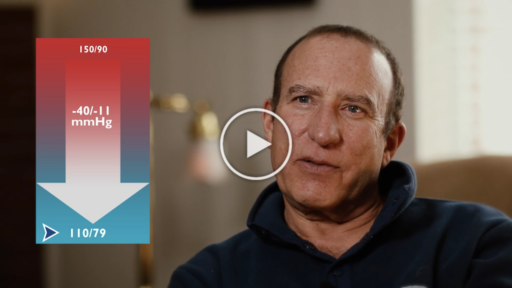
Watch How Mark Lowered His Blood Pressure Naturally.
It was 150/100, this morning it was 110/79

How to Use Valerian Root for Sleep
Most clinical studies use doses between 300mg and 600mg of valerian root extract, taken 30 to 60 minutes before bed. Standard supplement doses available in pharmacies fall within this range.
Valerian is also commonly combined with other calming herbs. Hops (Humulus lupulus) and lemon balm (Melissa officinalis) are the most studied combinations, and both appear to enhance valerian’s sleep-supporting effects. If you try valerian alone and notice minimal effect after four weeks, a combination product is a reasonable next step.
A few practical notes on use:
- Give it at least four weeks before deciding it is not working. The 28-day finding from the research is consistent with what many users report.
- Do not use valerian for longer than one month without checking with your healthcare provider.
- Do not drive or operate machinery after taking it. Valerian has a sedating effect.
- If you want to stop taking it after extended use, reduce your dose gradually rather than stopping all at once. A small number of users have reported withdrawal symptoms after long-term use.
- Pregnant and nursing women should avoid valerian. The research on fetal safety is insufficient.

Watch how Julie Lowered her Blood Pressure Naturally.
It was 170/110, this morning it was 120/80
Learn More

Drug Interactions to Know About
Valerian interacts with several categories of medications. If you take any of the following, talk to your doctor before starting valerian:
Sedating medications
Valerian can increase the sedating effect of anticonvulsants, barbiturates, benzodiazepines, sleep medications, and tricyclic antidepressants. The same applies to other sedating herbs such as chamomile, lemon balm, and catnip. Combining valerian with alcohol also increases sedation.
Medications processed by the liver
Valerian may slow how quickly certain drugs are broken down by the liver. This includes antihistamines, statins, and some antifungal medications. If you take medications in these categories, your doctor should know before you add valerian.
Anesthesia
Valerian may increase the effects of anesthesia. If you are planning surgery, tell your surgeon and anesthesiologist that you are taking it. They may recommend tapering off valerian in the weeks before your procedure.
How RESPeRATE Fits In
For people managing blood pressure alongside sleep problems, the connection between the two is worth understanding. Poor sleep raises cortisol and activates the sympathetic nervous system, both of which push blood pressure higher. Improving sleep quality is, in that sense, also a cardiovascular intervention.
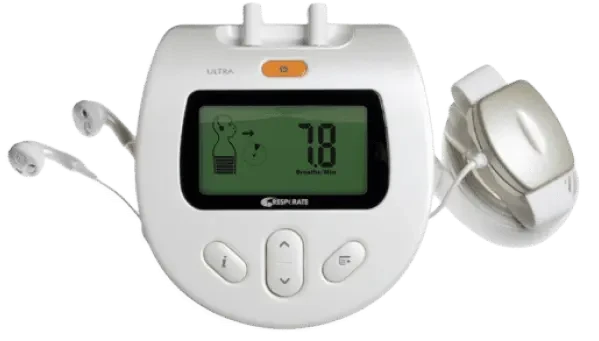
RESPeRATE uses device-guided slow breathing to activate the parasympathetic nervous system, the same system that valerian and other calming interventions target. Many users report improved sleep quality as a secondary benefit alongside lower blood pressure readings. You can read more about how mindfulness-based approaches affect stress and blood pressure in a related post.
The Bottom Line
Valerian root is not a guaranteed fix for insomnia. The research is honest about that. However, it is one of the more credible herbal options available: it has a long history of use, a plausible mechanism of action, a reasonable safety profile for short-term use, and a body of clinical evidence that supports giving it a fair try over four weeks or more.
If you are looking for a natural starting point for sleep support, valerian is worth considering, particularly in combination with hops or lemon balm. As with any supplement, let your healthcare provider know before you start, especially if you take other medications.
Find more sleep resources in our sleep blog archive.

 Clinically proven

 Eli
Eli 





Comments