
 Eli Ben-Yehuda
Chinese food has to be in the top 3 of my favorites when dining out. The only problem is with all the sodium and MSG, it is not exactingly heart healthy. So this week we want to share a more
This recipe has all the flavor of a great “Chicken Lo Mein” without the large amounts of sodium. You can also serve this with a lovely side of stir-fried vegetables.
Ingredients:
- 4 boneless skinless chicken breasts
- 1/2 red pepper diced
- 8 oz bean sprouts
- 1 tablespoon oil
- 4 cloves minced garlic
- 1 tablespoon fresh grated ginger
- 4 scallions sliced
- 1 package fresh egg noodles(8-10 oz. Asian style)
- 1/2 cup Hoisin sauce
- Snow Peas
Sauce:
- 1/2 cup chicken broth use only low sodium
- 4 tablespoons soy sauce
- 2 tablespoons Hoisin Sauce
- 2 tablespoons Oyster Sauce
- 2 teaspoons sesame oil
- 4 teaspoons corn starch
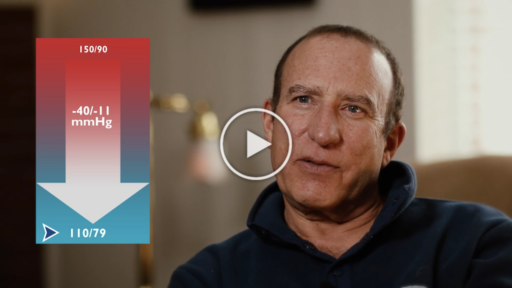
Watch How Mark Lowered His Blood Pressure Naturally.
It was 150/100, this morning it was 110/79

Directions:
1. Pound chicken breasts to 1/2 inch thick. Marinate in Hoisin sauce 30 minutes (or up to 4 hours).
2. Chop scallions and set the green part aside.
3. Combine all sauce ingredients and mix well. Grill chicken over medium heat about 5 minutes each side or until cooked through. Slice diagonally.
4. Cook noodles according to package directions (mine were “boil 1 minute”).
6. Heat oil in a large pan or wok over medium heat. Add scallions, ginger and garlic. Cook until fragrant (about 1 minute). Add red pepper slices and cook 1 minute.
7. Add cooked noodles, bean sprouts, sliced chicken and sauce. Stir over medium heat until sauce is thickened (about 2 minutes). Top with scallion greens and pea shoots.
We collected dozens of great heart healthy recipes for you – Here they are…


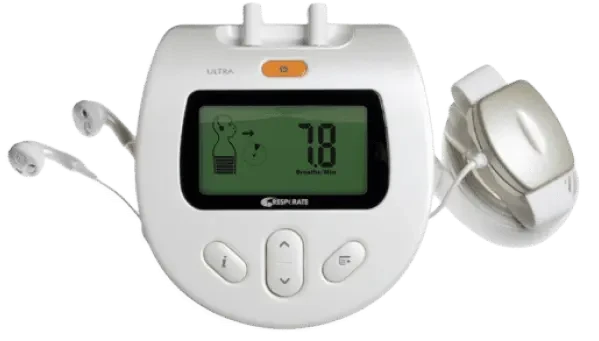
 Clinically proven





Comments
One Reply to “Heart Healthy Chicken Lo Mein”
For me, the doctor told me to cut down on salt. Soy sauce, oyster sauce and chicken broth (even
the low sodium)has a lot of sodium.
Oyster sauce has like close to 1000mg sodium and soy sauce has 500mg sodium for the low sodium type
and about 900mg to 1100mg for the high sodium sauce.
For me, this is what I put for my “lo mein”.
I use “hoisin sauce” and “Siri Racha” sauce and a little “satay” sauce” by a manufacturer called “Yeo”.
I checked the labels and “hoisin sauce” has like 200mg sodium, “siri racha” has 70mg sodium and
the satay sauce has 200mg sodium.
Optionally, I sometimes also add a tiny bit of “plum sauce” which alsp has low sodium
and a little “Sweet Chili sauce” which has no more than 200mg sodium”.
When I go for dim sum, instead of Chinese broccoli with oyster sauce, I request hoisin sauce.