
 Eli Ben-Yehuda
High blood pressure is one of the most common health concerns worldwide. Often developing silently and increasing the risk of serious cardiovascular issues. As more people seek natural ways to support heart health, attention has turned toward dietary choices that may help manage blood pressure more effectively. One such option gaining interest is stevia, a natural sweetener derived from the leaves of the Stevia rebaudiana plant.
Unlike refined sugar and artificial sweeteners, stevia contains zero calories and does not raise blood glucose levels. This makes it a popular alternative for those focused on metabolic and cardiovascular health. Beyond its role as a sugar substitute, emerging research suggests that certain compounds in stevia may support healthy blood vessel function and circulation—both key factors in blood pressure regulation.
Understanding how stevia fits into a heart-conscious lifestyle can help you make more informed dietary decisions. This article explores the potential role of stevia in naturally supporting healthy blood pressure and how it may complement broader lifestyle strategies aimed at long-term wellness.
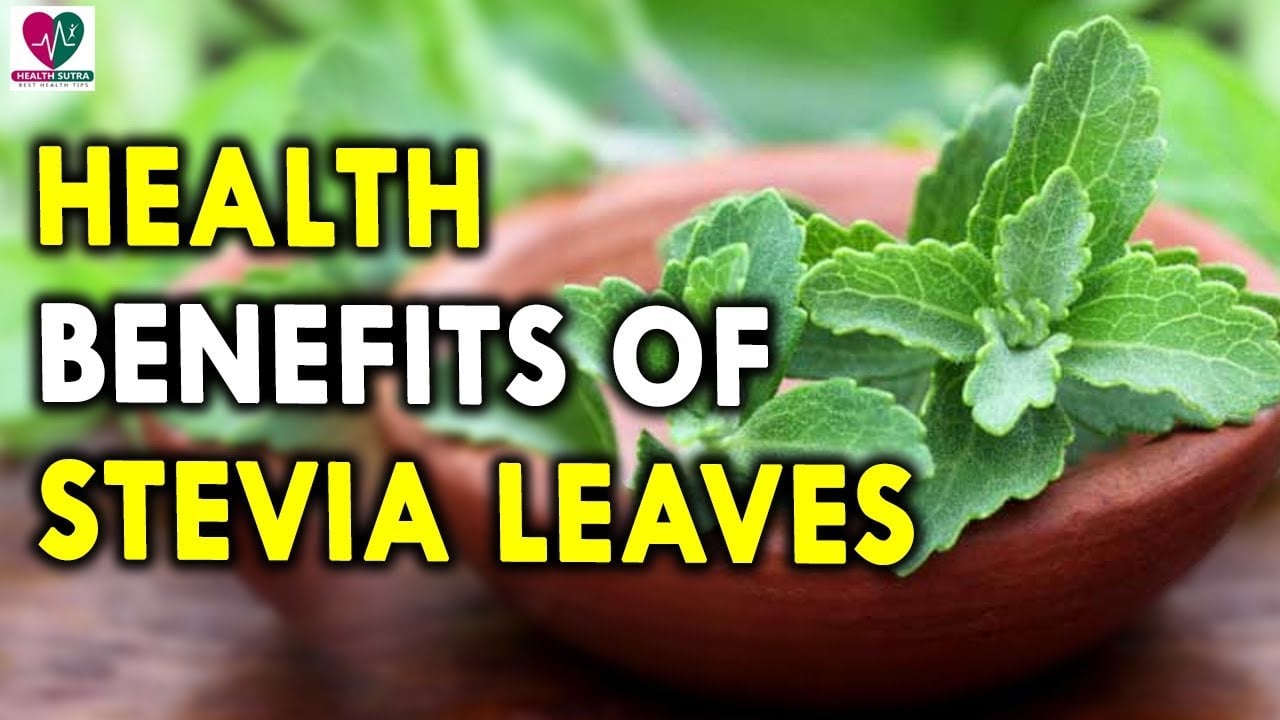
Stevia What We Know
Although stevia is not new to the rest of the world, it wasn’t approved for use in the U.S by the FDA until relatively recently. That means that there are still many studies being done on stevia to see how it could affect your body. One of the major positive side effects of stevia leaves, however, is that it appears to lower blood pressure.
Lower Blood Pressure?
This can be beneficial when it is used properly. However, stevia doesn’t always safely lower blood pressure. Because so little is currently known about this sweetener, you should consult a doctor if you plan to use it to help lower your blood pressure.
Low blood pressure is actually just as bad for you as high blood pressure. Low blood pressure can cause fatigue, weakness, and lightheadedness. However, you can avoid these symptoms by talking to your doctor. He or she may agree that stevia can help you or she may be able to recommend something that will lower your blood pressure more safely.
The two active ingredients that make stevia sweet are called stevioside and rebaudioside A.
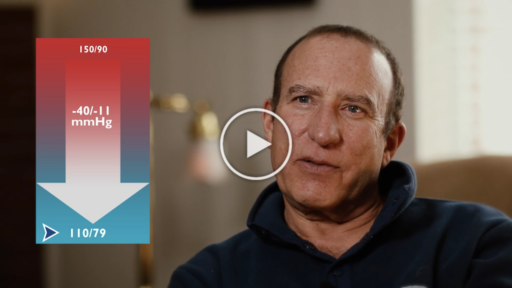
Watch How Mark Lowered His Blood Pressure Naturally.
It was 150/100, this morning it was 110/79
What The Studies Reveal
A one-year trial on participants with high blood pressure found that those given 750 milligrams stevioside per day decreased their systolic blood pressure by 8.1 percent. Their diastolic blood pressure by 13.8 percent after three months. Impressively, they were able to maintain this reduction for the next nine months.
Another study using high doses of stevioside (1,500 milligrams per day) noted that after two years, blood pressure decreased by 6.5 percent.
Several studies failed to find any health benefits. However, these were very short-term and used healthy participants. Sweetener users are typically in it for the long haul.
Final Thoughts
While stevia is not a cure for high blood pressure, it may play a supportive role when used as part of a balanced, health-focused diet. By reducing reliance on added sugars, stevia can help lower overall calorie intake and support metabolic stability—factors that indirectly influence blood pressure and heart health.
The potential benefits of stevia appear most promising when combined with other natural strategies, such as consuming nutrient-rich foods, staying physically active, managing stress, and maintaining healthy sleep habits. Together, these habits create an environment that supports healthy blood vessels and more stable blood pressure levels over time.
As with any dietary change, it’s important to consider individual health needs and consult a healthcare professional when necessary. Used mindfully, stevia may be a simple yet effective tool in a broader, natural approach to supporting healthy blood pressure and overall cardiovascular well-being.

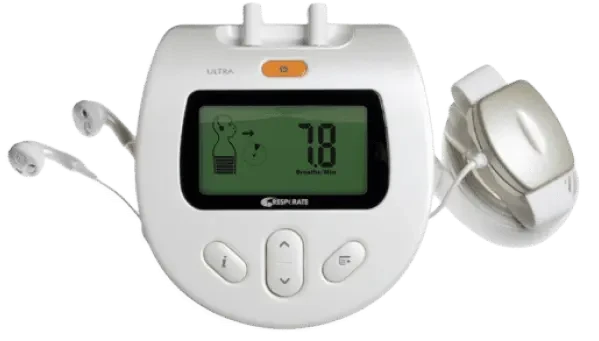
 Clinically proven





Comments
One Reply to “Lower Blood Pressure Naturally: The Potential Role of Stevia”
I like your blood pressure information!😀