
 Eli Ben-Yehuda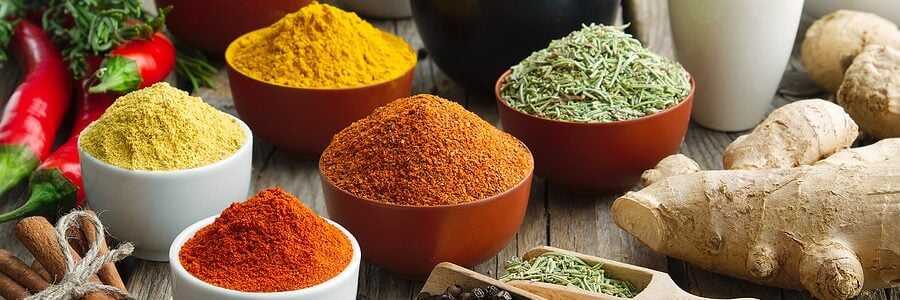
Looking for fast, natural ways to lower your blood pressure? You’re in the right place. Get Relief Now: Simple and Effective Tips to Reduce High Blood Pressure Naturally! is your go-to guide for simple, proven methods to support a healthier heart. Whether you’ve just been diagnosed with high blood pressure or you’re taking steps to prevent it, these natural solutions can help you take control of your health—starting today.
You can live a healthier life by treating and managing high blood pressure. Lifestyle changes like losing weight, quitting smoking, and exercising all help, and so do natural remedies.
In this article, we will review 7 natural remedies that science suggests might help in treating hypertension naturally.
1. Raw Almonds
Raw almonds are one of nature’s best snacks for supporting healthy blood pressure. Packed with magnesium, potassium, and healthy fats, they help relax blood vessels and improve circulation. Magnesium plays a vital role in regulating muscle and nerve function, keeping blood vessels flexible and reducing strain on the heart. A small daily handful of raw almonds gives your body nutrients that naturally support cardiovascular health. A systematic review and meta-analysis of 16 randomized controlled trials found almond consumption significantly reduced diastolic blood pressure, with the largest benefits seen in people who already had elevated blood pressure.
Raw almonds are also effective for blood pressure control because they improve cholesterol balance. They’re rich in monounsaturated fats, the same heart-healthy fats found in olive oil, which lower “bad” LDL cholesterol and raise “good” HDL cholesterol. As a result, this balance helps reduce plaque buildup in arteries and lets blood flow more freely. Almonds are also loaded with antioxidants like vitamin E, which fight inflammation, a major contributor to high blood pressure and heart disease.
Adding raw almonds to your daily meals is simple. Enjoy them as a mid-morning snack, sprinkle them on oatmeal or salads, or blend them into smoothies. Moderation matters here: about 1 ounce, or 23 almonds, is enough to get the benefits without excess calories. Paired with other heart-healthy habits, consistent almond consumption can make a real difference.

Watch How Mark Lowered His Blood Pressure Naturally.
It was 150/100, this morning it was 110/79
2. Cayenne Pepper
Cayenne pepper is more than a fiery spice. It’s a natural remedy that may help lower high blood pressure. The key compound, capsaicin, relaxes and widens blood vessels in animal and lab studies. This process is called vasodilation. Human evidence is more limited. A 2025 systematic review and meta-analysis found capsaicin supplementation linked to small reductions in diastolic blood pressure. The certainty of evidence, however, was rated low. Cayenne may be a reasonable addition to a heart-healthy diet, but it shouldn’t be relied on as a primary strategy.
Cayenne pepper also brings antioxidants and anti-inflammatory properties that protect the cardiovascular system. Capsaicin reduces oxidative stress and may lower bad cholesterol, both of which play a role in managing hypertension. A small pinch added to soups, teas, or meals can stimulate metabolism and support heart health without drastic diet changes.
3. Coconut Water
Coconut water is often called “nature’s sports drink,” and for good reason. It’s loaded with potassium, magnesium, and electrolytes that help regulate blood pressure naturally. Potassium balances sodium levels in the body, which is essential for preventing hypertension. Drinking coconut water regularly helps flush out excess sodium through urine while keeping you hydrated. That hydration supports smooth blood flow and reduces strain on your heart.
Several small studies suggest coconut water may help lower systolic blood pressure thanks to its mineral-rich profile. One West Indian Medical Journal study found 71 percent of hypertensive participants saw a significant drop in systolic pressure after drinking coconut water. The research base remains small, so it’s best viewed as a helpful addition rather than a primary treatment. Its natural electrolyte balance supports heart rhythm, reduces muscle tension in blood vessel walls, and helps maintain healthy circulation. Choose unsweetened, pure coconut water to avoid added sugars. A daily glass can be a refreshing way to support your blood pressure.
4. Raw Cacao
Raw cacao is one of the most powerful superfoods for heart health and may help naturally lower hypertension. Unlike processed chocolate, raw cacao is packed with flavonoids, plant compounds that improve blood vessel function and promote vasodilation, the widening of blood vessels. That enhances circulation and reduces pressure on artery walls. Of all the remedies on this list, cacao has some of the strongest research behind it. A meta-analysis of 10 randomized controlled trials found flavanol-rich cocoa products reduced systolic blood pressure by an average of 4.5 mmHg and diastolic blood pressure by 2.5 mmHg. The magnesium in raw cacao also helps relax the nervous system and muscles, further supporting lower blood pressure and reduced stress.
Raw cacao is also loaded with antioxidants that fight inflammation and protect blood vessels from oxidative damage. Both are major factors in high blood pressure. Adding a spoonful to smoothies, oatmeal, or yogurt is an easy way to work it into your routine. Choose unsweetened, organic raw cacao, since added sugars can counteract its benefits.
5. Raw Apple Cider Vinegar
Raw apple cider vinegar has long been celebrated as a natural remedy for a variety of health concerns, and lowering high blood pressure is one of them. The acetic acid in ACV may help improve insulin sensitivity and balance blood sugar levels, which can indirectly support healthy blood pressure. A 2022 meta-analysis found vinegar consumption was linked to a modest reduction in systolic blood pressure, but the study authors rated the evidence quality as low. ACV is best viewed as a possible complement to other proven strategies, not a standalone treatment.
One caution worth knowing: apple cider vinegar can interact with diuretics and other blood pressure medications, and excessive use may lower potassium levels. If you take blood pressure medication, talk to your doctor before adding regular ACV to your routine.
ACV also supports healthy blood pressure through its natural ability to promote circulation. By helping the body flush out excess sodium, it reduces water retention and pressure within the blood vessels. Its potassium content further supports fluid balance and muscle relaxation. Mix one to two teaspoons of raw, unfiltered ACV in a glass of water before meals, and over time this simple habit can support better blood pressure control.

Watch how Julie Lowered her Blood Pressure Naturally.
It was 170/110, this morning it was 120/80
Learn More

6. Raw Garlic
Raw garlic is one of the most powerful natural remedies for lowering high blood pressure. Rich in a compound called allicin, garlic helps the body produce nitric oxide, which relaxes and widens blood vessels, a process called vasodilation. As a result, that allows blood to flow more freely, reducing pressure on artery walls and easing strain on the heart. A meta-analysis of 17 randomized controlled trials found garlic intake meaningfully lowered both systolic and diastolic blood pressure, with the strongest effect seen in people who already had hypertension.
Garlic also helps lower “bad” LDL cholesterol while raising “good” HDL cholesterol. Its antioxidant and anti-inflammatory properties protect blood vessels from damage and reduce oxidative stress, two key factors in hypertension. Try one clove of crushed raw garlic daily, mixed with honey, added to salad dressings, or taken with warm water.
7. Turmeric
Turmeric, the golden spice known for its vibrant color, may help naturally lower hypertension thanks to its active compound curcumin. Curcumin is a powerful anti-inflammatory and antioxidant that supports healthy blood vessels and improves circulation. By reducing inflammation in the arteries, turmeric helps them stay flexible, letting blood flow more freely and easing pressure on the heart. Regular use, in food, tea, or as a supplement, can support better blood flow and overall heart wellness.
Turmeric may also improve endothelial function, how well your blood vessels relax and contract, an important factor in healthy blood pressure. If you take blood thinners such as warfarin, aspirin, or clopidogrel, use turmeric with caution. It can enhance blood-thinning effects, so talk to your healthcare provider before adding turmeric supplements to your routine. For most people, working turmeric into meals or warm drinks is a safe, natural way to support heart health.
Extended turmeric use has been associated with an increased risk of bleeding, particularly when combined with blood-thinning medications. Always consult your physician before starting any new remedy. Check with your pharmacist about potential interactions with your current medications.
In Closing
You don’t have to wait for better blood pressure. Relief can begin with small, natural changes you make right now. Eating smart, staying active, managing stress, and prioritizing rest can all improve your cardiovascular health. For a deeper look at building these habits into daily life, see our guide to six ways to maintain healthy blood pressure naturally.
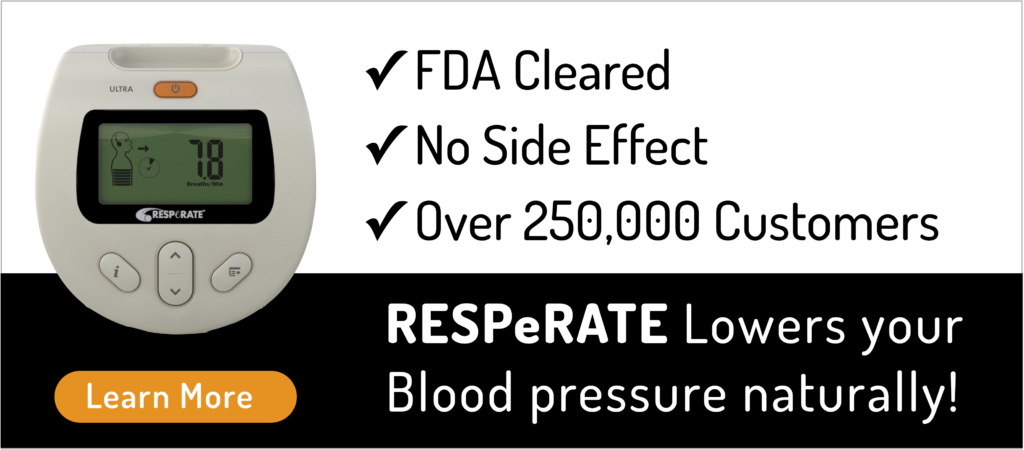
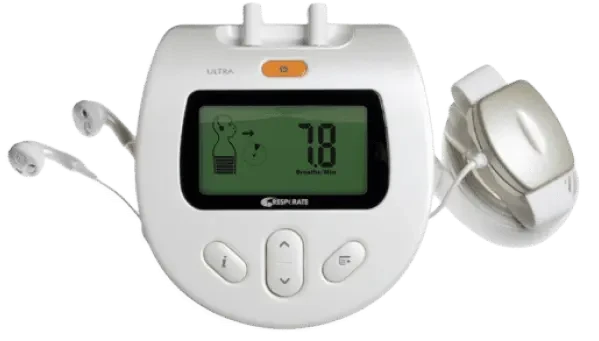
These seven natural remedies are more than a list of tips. They’re a lifestyle shift toward lasting wellness. RESPeRATE works alongside your physician-directed treatment plan to support healthy blood pressure naturally. Discover how it works. Start incorporating these strategies today for a stronger heart, a calmer mind, and a healthier you.


 Clinically proven





Comments
11 Replies to “Get Relief Now: 7 Simple and Effective Tips to Reduce Hypertension Naturally”
Would Cayenne capsules qork effectively in reducing high bool pressure?
Capsules would probably be the easiest route to take. Just remember that once the capsules dissolve your stomach will receive an undiluted dose. It could cause an upset stomach. And yes it will help with your blood pressure.
Have one of your units. Works well. Isn’t Cayenne pepper and coconut water counter indicated in certain conditions?
The WebMD website warns that it is possible that long-term use of large amounts of cayenne can lead to serious side effect of kidney or liver failure. It is best to add cayenne to your diet moderately and have short periods of non-use. If you have previous gastrointestinal problems, it is advised you consult a professional herbalist or health professional before use. This is why I advise clients to speak with their healthcare provider when trying some natural remedies.
Can excessive exercise cause HBP?
Exercise can increase blood pressure, but the effects are typically temporary. Your blood pressure should gradually return to normal after you finish exercising. The quicker your blood pressure returns to its resting level, the healthier you probably are.
a relative is on a ace inhibitor and beta blocker, and his blood pressure spikes and then drops, and this is while he is sitting still, his dr. does not know why this is happening, what can he do to lower his pressures and keep them steady?
When sttting around relaxing and doing nothing in particular, especially after exercising or doing yard work, pressure is always good but it’s always high at doctor’s office. This has been going on for 50 plus years but they still don’t get. It. Just can’t relax in the office.
Hi Jackson, It sounds like you are suffering from white coat syndrome. Your may want to read this article I wrote regarding this phenomenon. https://resperate.com/blog/hypertension/white-coat-hypertension-or-high-blood-pressure-which-do-you-have Kindest Regards Eli , Content Manager. RRESPeRATE
Can you just swallow the garlic clove whole with water as you would a pill?
Hi Merri, I occasionally do. But most of the time I just chews it up. If you do choose to swallow it whole
ensure it is small enough to swallow safely. Kindest Regards, Eli, Content Manager, RESPeRATE.