
 Brian Fairchild

High blood pressure and age are closely linked, and the connection gets stronger the older you get. Blood pressure often has no symptoms at all, which is why it’s sometimes called the silent killer. According to the CDC, nearly half of U.S. adults have high blood pressure. Only about one in four of them have it under control. That gap matters, because uncontrolled blood pressure raises the risk of heart attack, stroke, vision problems, and even dementia. Here is what actually changes with age, what the research says about treatment targets, and a few everyday things worth knowing.
How Blood Pressure Changes as You Age
Systolic blood pressure, the top number, tends to climb starting around age 40 as arteries stiffen with age. Not everyone develops hypertension. Genetics play a real role, and some people never see high numbers even later in life. Still, the overall pattern is clear: hypertension becomes far more common with each decade. The top number matters more than the bottom number for people over 50. That’s because it reflects the peak force your arteries and organs experience with every heartbeat.
What the Research Shows About Treatment Targets
A landmark 2015 clinical trial, known as SPRINT, tested whether a lower blood pressure target improves outcomes. Researchers randomly assigned over 9,000 people at high cardiovascular risk to a systolic target of either 120 or 140.
It was 150/100, this morning it was 110/79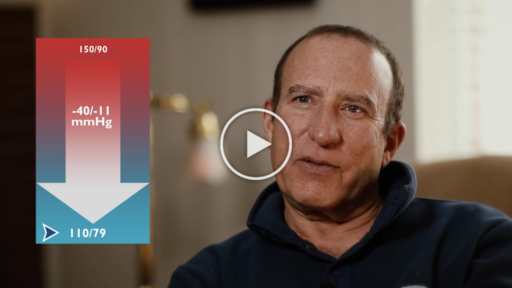
Watch How Mark Lowered His Blood Pressure Naturally.
Overall, the group treated to the lower target had significantly fewer heart attacks, strokes, and cardiovascular deaths. However, they also saw somewhat more side effects, like low blood pressure episodes and kidney changes. So targets are individualized. A treatment plan that makes sense for someone with several health conditions may look different from one for someone with none. That’s worth discussing directly with your doctor.
Lifestyle Changes That Move the Needle
Diet and activity levels make a real difference. The DASH eating pattern is low in sodium and rich in fruits, vegetables, and low-fat dairy. It has been recognized as one of the most effective diets for lowering blood pressure. Also, losing even a modest amount of weight helps. Exercise helps as well, and a surprisingly simple option works: isometric handgrip training. In fact, research reviews show it can meaningfully lower resting blood pressure. A few minutes of gripping exercise several times a week is a low-effort addition worth considering.
Everyday Things That Can Raise Your Numbers
Caffeine can cause a short-term spike in blood pressure, especially in people who don’t drink it regularly.
It was 170/110, this morning it was 120/80
Watch how Julie Lowered her Blood Pressure Naturally.


According to the Mayo Clinic, that spike is usually temporary and doesn’t appear to raise blood pressure long-term with regular use. Meanwhile, common over-the-counter medications are a bigger everyday concern. NSAIDs like ibuprofen and naproxen can cause the body to retain fluid, and decongestants containing pseudoephedrine can narrow blood vessels. Both can push blood pressure higher, especially with regular use. Check labels and ask your pharmacist before combining these with a blood pressure diagnosis.
Sodium Is Worth Watching, Especially as You Age
Most Americans eat more sodium than recommended, and older adults tend to become more salt-sensitive over time. According to the CDC, most sodium in the average diet comes from packaged and restaurant food, not the salt shaker. Checking labels and choosing lower-sodium versions of packaged foods makes a real difference over time.
How to Lower Blood Pressure Naturally
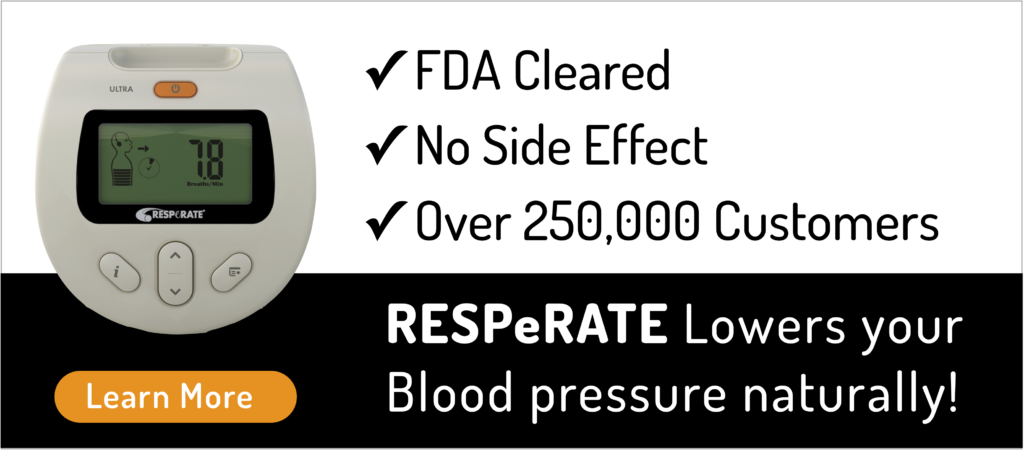
None of this replaces a conversation with your doctor about your specific numbers and risk factors. RESPeRATE is an FDA-cleared device that uses guided slow breathing to help lower blood pressure as part of your overall health program. It works alongside your physician-directed treatment plan rather than replacing it.
For more on nutrients that support healthy blood pressure, read about vitamin C and quercetin.

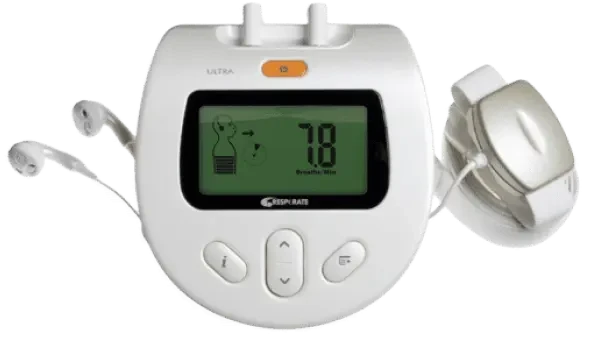
 Clinically proven


 Eli





Comments
4 Replies to “High Blood Pressure and Age: What Actually Changes”
This is at least the second time you have shown something that states to breath deeply and using the resperate could help. I have been told to breath slowly and effortlessly. What is the correct method ??? Thanks, John
Hi John, With RESPeRATE it is breathe slowly and effortlessly. Kindest Regards, Eli, SCS Manager
Thanks, maybe more on Healthy Exercises, such as Farmers Carry to strengthen grip.
Thanks Leo for the suggestion. I will try to work that in when I revise the isometrics post, down the road.