
 Brian Fairchild

Getting a good night’s sleep is one of the most powerful things you can do for your blood pressure. The overnight drop in pressure that healthy sleep produces, and the cardiovascular repair that happens during deep sleep, depend on the body making a genuine physiological transition from a state of alertness to a state of rest. For many people, that transition is the hard part. A pre-sleep yoga routine is one of the most practical and well-evidenced ways to help it happen.
The evidence behind this is stronger than most people realize. A 2025 network meta-analysis of 30 randomized controlled trials covering 2,576 participants with sleep disorders found that yoga was the most effective exercise intervention for improving sleep quality — outperforming aerobic exercise, resistance training, and Pilates when sessions were twice weekly and lasted 8 to 10 weeks. The mechanism is specific: yoga activates the parasympathetic nervous system, lowers cortisol, and reduces the same sympathetic nervous system activity that keeps the body in a state of alert. For a deeper look at how that overnight transition connects to blood pressure, see our post on what happens to your blood pressure while you sleep.
The five poses below require no equipment beyond a yoga mat or a carpeted floor and take 10 to 15 minutes. They are sequenced to move you from seated to floor, which itself mirrors the physiological shift from wakeful to restful. They work best done in the same order each night — the repetition builds a conditioned relaxation response over time.
It was 150/100, this morning it was 110/79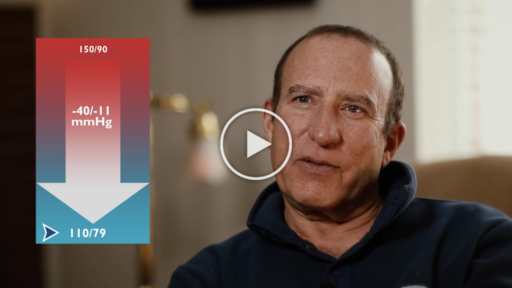
Watch How Mark Lowered His Blood Pressure Naturally.
The 5 Yoga Poses for Sleep
1. Hero Pose (Virasana)
Start in a comfortable seated position with your glutes resting on your heels and the tops of your feet flat on the floor. Hero pose brings a gentle stretch to the knees and ankles, allowing lubricating fluid to reach those joints. More importantly for sleep preparation, it positions the spine naturally upright and invites slow, diaphragmatic breathing. Take this opportunity to lengthen the spine, open the chest, and settle into a calm, even breath pattern. Each exhale is longer than the inhale. That ratio — a longer exhale — is exactly what activates the parasympathetic nervous system. Hold for one to two minutes.
2. Cat and Cow Pose
From hero pose, roll forward onto your hands and knees. Cat and cow is a two-movement flow synchronized with the breath. For cat, exhale as you round the spine upward, dropping the crown of the head and tailbone toward the floor. For cow, inhale as you bring the crown and tailbone up toward the ceiling, allowing the lower back to soften. Flow between the two for one to two minutes, letting the movement follow the breath rather than the other way around. This gentle spinal mobility exercise releases the muscle tension that accumulates in the back and neck during the day — particularly relevant for people who sit at a desk or carry stress in their upper body.
3. Legs Up the Wall Pose (Viparita Karani)
Move to a clear section of wall and swing your legs straight up against it. Ideally, bring your tailbone close enough to the wall that your glutes are touching or nearly touching the base. Legs up the wall is a passive inversion that shifts blood flow from the legs back toward the core and heart. This gentle reversal of the usual standing blood pooling pattern helps reduce lower limb fatigue. The position also naturally encourages diaphragmatic breathing and is one of the most reliably calming postures in restorative yoga. Hold for three to five minutes. If hamstring tightness makes a straight-leg position uncomfortable, bend the knees slightly.
It was 170/110, this morning it was 120/80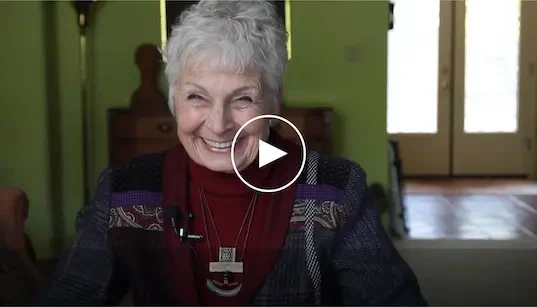
Watch how Julie Lowered her Blood Pressure Naturally.


4. Supine Spinal Twist (Supta Matsyendrasana)
Transition away from the wall onto your back. Bring both knees into your chest and rock gently side to side. When ready, extend your arms out to the sides in a T-shape and let both knees drop to one side. Supine spinal twist releases tension in the lower back and outer hips — areas that commonly hold residual tension from sitting or physical activity. The rotational stretch also stimulates the parasympathetic nervous system through its gentle compression and release of the abdominal organs. Hold for one to two minutes per side before switching.
5. Happy Baby Pose (Ananda Balasana)
Bring both knees into your chest. Grasp your two big toes with the index and middle fingers of each hand, then pull the heels toward the ceiling while keeping the tailbone grounded. Happy baby pose gently opens the hips and inner groin while releasing the lower back. The rocking motion — side to side or forward and back — provides a mild massage to the spine and is deeply calming for most people. It is an appropriate closing pose for this sequence because it brings the body to its most rested floor position while still maintaining gentle movement. Hold for one to two minutes, then extend the legs flat and rest in savasana for another minute before getting into bed.
Why This Matters for Blood Pressure
The parasympathetic activation that this sequence produces does not just help you fall asleep. It also supports the overnight blood pressure dip — the 10 to 20 percent reduction in pressure that healthy sleep delivers and that the cardiovascular system depends on for repair. People whose nervous systems stay in a state of sympathetic alert through the evening, whether from stress, screen use, or anxiety, are more likely to have blunted overnight dipping and higher morning blood pressure readings. A consistent pre-sleep wind-down routine, including yoga, directly addresses that.
Pairing Yoga With RESPeRATE
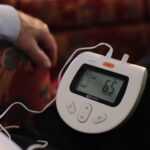
Yoga activates the parasympathetic nervous system through movement and controlled breathing. RESPeRATE activates the same system through device-guided slow breathing with prolonged exhalation — the same breathing ratio that hero pose and cat-cow encourage. Used together, they compound the parasympathetic effect. RESPeRATE is the only FDA-cleared non-drug device clinically proven to lower blood pressure. Used for 15 minutes before bed, either immediately after this yoga sequence or on its own, it directly supports the overnight blood pressure recovery window that sleep provides. Review the full evidence at our clinical proof page. Use it as part of your overall health program alongside your physician-directed treatment plan.

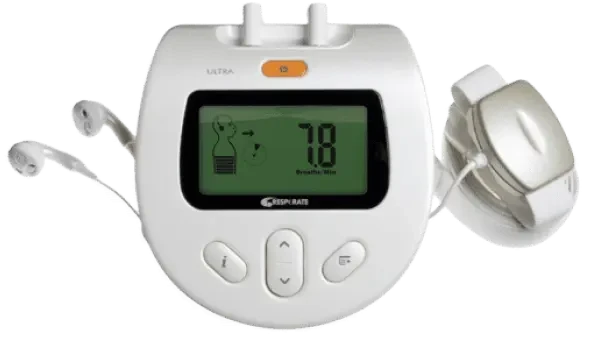
 Clinically proven


 Eli




Comments
One Reply to “5 Yoga Poses for Sleep That Help You Wind Down and Rest Better”
Thank you so much for all of the wonderful articles and recipes ! Such a big help