
 Brian Fairchild
If you have ever sat in a window seat watching the cockpit door close before takeoff, you already understand the weight of what pilots carry. Every flight, they are responsible for the lives of everyone on board. That kind of responsibility does not clock out when you leave the airport, and it takes a real physical toll.
High blood pressure is one of the most common health issues pilots face. It is also one of the most quietly dangerous, because it rarely comes with obvious warning signs. For commercial pilots especially, keeping blood pressure in check is not just about staying healthy. It is about staying in the air.
Here is what every pilot and the people who love them should know about hypertension in aviation, and what can actually help.
What Is Hypertension, and Why Does It Matter So Much in the Cockpit?
Hypertension simply means your blood pressure runs higher than it should. Most people never feel it happening. There is no headache, no obvious sign, nothing to trigger alarm. That is exactly why doctors call it the silent killer.
Left unmanaged, high blood pressure puts serious strain on the heart, arteries, and kidneys. Over time, it raises the risk of stroke, heart disease, and organ damage. None of those outcomes are compatible with sitting in the left seat of a commercial aircraft.
Contributing factors include genetics, diet, weight, sleep quality, and stress. Pilots tend to score poorly on several of those at once.
The Unique Pressure Pilots Are Under
Most jobs are stressful. But few combine the specific pressures that pilots deal with every shift.
The hours are irregular, the time zones change constantly, and the job demands complete mental focus for stretches that most professions never require. Fatigue builds. Sleep is disrupted. And underneath all of it sits the baseline awareness that hundreds of people are counting on you to get every decision right.
Research has repeatedly linked chronic occupational stress to elevated blood pressure. For pilots, that stress is structural. It does not go away between flights. It is baked into the schedule, the altitude, and the culture of the job.
Add high-altitude cabin environments, which can subtly affect the cardiovascular system, and you have a profession that stacks the deck against heart health in a way most passengers never think about.
It was 150/100, this morning it was 110/79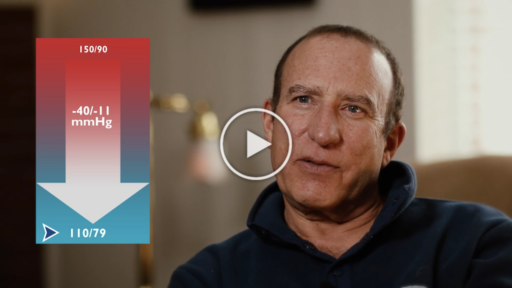
Watch How Mark Lowered His Blood Pressure Naturally.
What the FAA Actually Says About Pilots and Blood Pressure
The FAA takes pilot cardiovascular health very seriously, and the standards are specific. To hold a first-class medical certificate, the kind required for airline transport pilots, your blood pressure reading at the exam must be below 155/95.
If it comes in higher than that, you may still qualify but only with approved treatment and documented monitoring. Certain medications are accepted. Others are not, because the FAA is just as concerned about how a drug affects your alertness and decision-making as it is about the blood pressure number itself.
That creates a real bind. A pilot who develops hypertension needs treatment. But the treatment has to be one the FAA accepts, and it has to be managed in a way that keeps performance sharp.
Some anti-hypertensive medications come with side effects like fatigue and dizziness that are problems in any context and serious problems in a cockpit. That is why many pilots actively look for non-drug options to use alongside or in place of medication, wherever their physician and the FAA allow it.
What Pilots Can Actually Do About It
The good news is that hypertension responds well to lifestyle changes, especially when caught early. The strategies below are not complicated, but they require consistency, which is exactly what unpredictable schedules make hard.
Eat for your heart, not just your schedule
Airport food and hotel dining are not known for being heart-healthy. But small, consistent swaps add up over time. More vegetables, less sodium, fewer processed foods. The DASH diet has strong evidence behind it for blood pressure reduction and is worth discussing with your doctor.
Move, even when you are tired
Regular physical activity lowers blood pressure directly. Even 30 minutes of moderate exercise most days makes a meaningful difference. For pilots with irregular schedules, the key is treating workouts like flight prep: scheduled, non-negotiable, and prepared for in advance.
Take stress seriously as a medical issue
Stress management is not soft advice. It is clinically recognized as a meaningful factor in blood pressure control. Building in daily recovery time, whether that is meditation, breathwork, or simply protecting sleep, matters more than most pilots give it credit for.
Limit alcohol and eliminate tobacco
Both raise blood pressure directly. Both are common in aviation culture. There is no workaround here: reducing or eliminating them is one of the most effective lifestyle levers available.
Work with an Aviation Medical Examiner, not around one
An Aviation Medical Examiner (AME) understands both the medical and regulatory picture. They are not just checking a box. A good AME can help you find a treatment plan that controls blood pressure, meets FAA standards, and keeps your performance where it needs to be. That conversation is worth having proactively, before your numbers become a certification problem.
It was 170/110, this morning it was 120/80
Watch how Julie Lowered her Blood Pressure Naturally.


Where RESPeRATE Fits In
For pilots looking for a non-drug option that is safe, evidence-based, and usable at home between trips, RESPeRATE is worth knowing about.
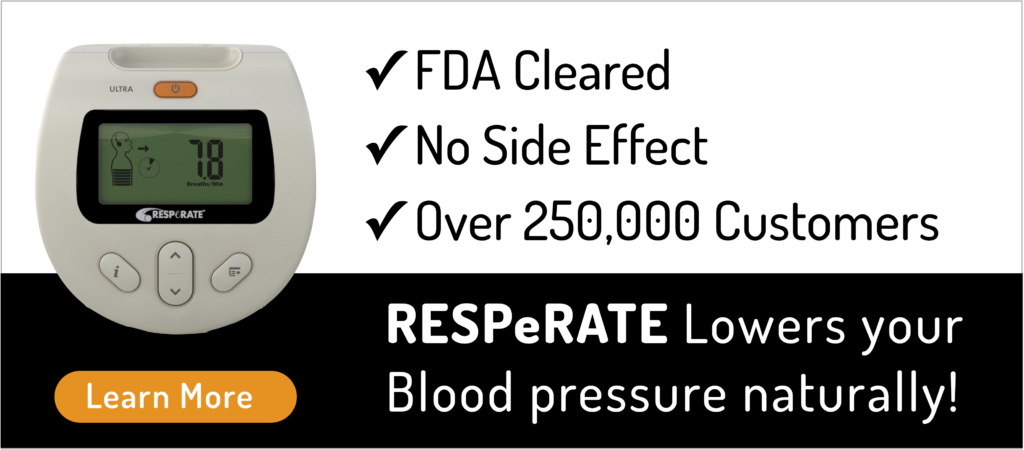
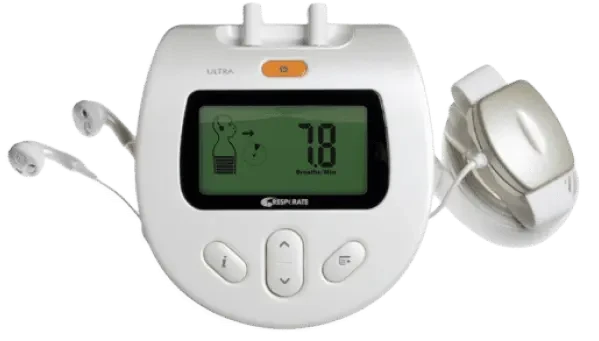
RESPeRATE is the only FDA-cleared device specifically designed to lower blood pressure naturally. It guides you through slow, paced breathing at a therapeutic rate that your body cannot reliably reach on its own. That breathing pattern activates a calming response in the nervous system, relaxing blood vessels and bringing blood pressure down.
The sessions take about 15 minutes. You use it at home, or anywhere quiet. There are no side effects. No certification concerns.
Many RESPeRATE users work alongside their doctors to reduce or adjust their medications over time. That kind of outcome matters a great deal to pilots navigating FAA medical standards. It is not a replacement for your treatment plan. It works as part of it.
Over 250,000 people use it, and it is backed by more than 50 published clinical studies. If blood pressure management is part of your life, it is worth a conversation with your doctor. Learn more about how RESPeRATE works.
Keeping You in the Air
Hypertension is common among commercial pilots, and it makes sense why. The job piles up the exact conditions that drive blood pressure up: stress, irregular sleep, long hours, and not enough time to take care of yourself between flights.
But it is manageable. Pilots who address it early, stay in close communication with their AME, and use every available tool, lifestyle changes, appropriate medication, and devices like RESPeRATE, give themselves the best shot at long, healthy careers.
The goal is not just passing the next medical exam. It is flying well, feeling well, and staying well for the long haul. Your passengers are counting on you. So is your family. So start the conversation with your doctor today.
Ready to take a supported step toward better blood pressure? Explore RESPeRATE today and use it as part of your overall health program, alongside your physician-directed treatment plan.

 Clinically proven

 Eli
Eli 




