
 Eli Ben-Yehuda
Insulin resistance is a metabolic condition that affects how the body uses insulin to regulate blood sugar. When cells become less responsive to insulin, the body compensates by producing more of it. Over time, this imbalance can lead to a range of health problems—including high blood pressure, also known as hypertension. Researchers have found that insulin resistance and hypertension often occur together, forming part of a cluster of conditions linked to metabolic health.
One reason for this connection is the way excess insulin affects the body’s cardiovascular system. Elevated insulin levels can cause the kidneys to retain more sodium and fluid, which increases blood volume and raises blood pressure. At the same time, insulin resistance may interfere with the normal function of blood vessels, making them less able to relax and widen as they should.
Understanding how insulin resistance contributes to hypertension is important because both conditions significantly increase the risk of heart disease, stroke, and other serious complications. By recognizing the relationship between the two, individuals and healthcare providers can focus on lifestyle changes and treatments that address the root metabolic issues rather than just the symptoms.
What is Insulin Resistance
Insulin resistance is a state in which your muscle cells, fat and liver do not respond to the insulin hormone. The insulin hormone carries glucose from the blood into the cells to supply them with energy.
When the cells stop responding to insulin, they become insulin resistant and reject it. This causes the pancreas to make more insulin which results in higher level of blood sugar.
Hypertension and Insulin Resistance
High insulin stiffens your arteries, disrupts the endothelial layer of your arteries, which start the hardening of the arteries as well as the cascade effect of cholesterol and calcium to accumulate in the arteries.
High insulin (insulin resistance) creates inflammation in the arteries. This condition also causes sodium retention and a loss of potassium because insulin is necessary to allow this mineral in the cell.
Dr. Berg talks about the link between high blood pressure and insulin resistance.

Medications and Insulin Resistance
Diuretics also have a side-effect of causing insulin resistance. The treatment of hypertension is mainly medications because we are told that there is no cure, only treatment. The pathophysiology is, in reality, a disruption of the artery wall creating vasoconstriction, stiffness and less elasticity.
The additional symptom of hypertension is headaches and a risk for stroke and heart attack. The home remedies involve actions to lower insulin – cutting out sugar, adding vegetables to get your potassium and even apple cider vinegar can help.
In Summary
The link between insulin resistance and high blood pressure highlights how closely metabolic health and cardiovascular health are connected. When the body struggles to properly regulate insulin, it can trigger changes in fluid balance, blood vessel function, and inflammation—all of which may contribute to rising blood pressure levels.
Fortunately, addressing insulin resistance can often improve blood pressure as well. Lifestyle strategies such as maintaining a healthy weight, eating a balanced diet, staying physically active, and managing stress can help improve insulin sensitivity and support overall heart health.
By taking steps to manage insulin resistance early, it may be possible to reduce the risk of hypertension and its long-term complications. Understanding this connection empowers people to make informed choices that support both metabolic and cardiovascular well-being.

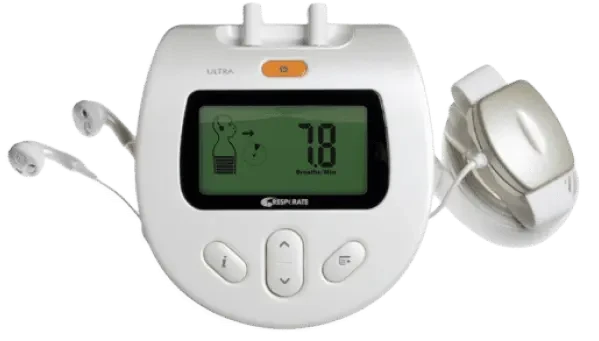
 Clinically proven





Comments