Brian Fairchild
Understanding the types of hypertension is one of the most important steps you can take after a diagnosis of high blood pressure. Not all hypertension is the same. The type you have determines how it is diagnosed, monitored, and treated. Furthermore, some types of hypertension have underlying causes that, once identified and treated, can bring blood pressure back to normal on their own.
When most people discuss hypertension, they are referring to one of two main types: primary hypertension or secondary hypertension. Together, these two types account for the vast majority of all hypertension cases.
Primary hypertension — also called essential hypertension — is hypertension with no identifiable single cause. It develops gradually over many years and is influenced by a combination of genetics, lifestyle, and environmental factors. Secondary hypertension, by contrast, is caused by another identifiable condition. Once that underlying condition is treated, blood pressure often returns to normal or improves significantly. Conditions that may cause secondary hypertension include chronic kidney disease, sleep apnea, thyroid dysfunction, and alcohol dependence.
Knowing your type of hypertension is only the first step. For a deeper look at the lifestyle factors, nutrient deficiencies, and daily habits that drive blood pressure up in the first place, see our guide to reversing the root causes of hypertension naturally.
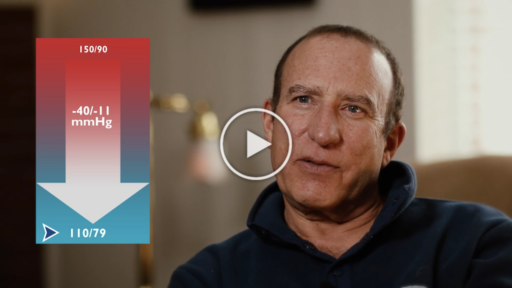
Watch How Mark Lowered His Blood Pressure Naturally.
It was 150/100, this morning it was 110/79
Malignant Hypertension
High blood pressure is often called the “silent killer” because it rarely causes noticeable symptoms. Malignant hypertension is a very different story. It is a hypertensive emergency, defined as a severe and sudden spike in blood pressure — typically above 180/120 mmHg — that causes acute damage to organs including the heart, kidneys, brain, and eyes.
This type requires immediate medical attention. According to the American Heart Association, symptoms of a hypertensive crisis can include:
- Changes in vision, including blurry vision
- Chest pain
- Severe anxiety
- Nausea or vomiting
- Numbness or weakness in the arms or legs
- Shortness of breath
- Severe headache
- Reduced urine output
If you or someone near you experiences these symptoms alongside a very high blood pressure reading, call 911 immediately. Do not wait to see if symptoms resolve on their own.
Resistant Hypertension
Resistant hypertension is defined by the ACC/AHA as blood pressure that remains above goal despite a patient taking at least three antihypertensive medications of different classes — at maximum or maximally tolerated doses — including a diuretic. Blood pressure that is controlled only by taking four or more antihypertensive medications also meets the clinical definition of resistant hypertension.
In short, it means the blood pressure is genuinely difficult to treat. It may also signal an underlying secondary cause that has not yet been identified.
Physicians investigating resistant hypertension typically look for secondary causes including:
- Hormonal abnormalities that affect blood pressure regulation, such as primary aldosteronism
- Renal artery stenosis — a narrowing of the arteries supplying the kidneys
- Obstructive sleep apnea
- Obesity or heavy alcohol use
- Medication interactions or nonadherence
It is also important to rule out pseudo-resistance — which is apparent treatment resistance caused by inaccurate blood pressure measurement, white coat effect, or a patient not taking medications as prescribed — before a true resistant hypertension diagnosis is confirmed.
Pulmonary Hypertension
Pulmonary hypertension is a distinct condition from systemic hypertension and is often misunderstood. It refers specifically to elevated pressure in the arteries of the lungs — not the blood pressure measured at your arm. The 2022 ESC/ERS guidelines updated the clinical definition of pulmonary hypertension to a mean pulmonary artery pressure greater than 20 mmHg, revised downward from the previous threshold of 25 mmHg, following new insights from normative and prognostic data. nih
Some forms of pulmonary hypertension progress over time and are serious long-term conditions. Treatment depends on the specific type but can meaningfully improve quality of life and slow progression. According to the American Lung Association, symptoms can include:
- Shortness of breath during routine activity, such as climbing stairs
- Fatigue
- Chest pain
- A racing or irregular heartbeat
- Pain in the upper right abdomen, near the liver
- Decreased appetite
If you experience persistent shortness of breath that is new or worsening, speak with your physician promptly.

Watch how Julie Lowered her Blood Pressure Naturally.
It was 170/110, this morning it was 120/80
Learn More

Pseudo-Hypertension
Pseudo-hypertension produces a falsely elevated blood pressure reading on a standard blood pressure cuff. It occurs most often in older adults whose arteries have become significantly stiffened and calcified through a process called arteriosclerosis. Because the artery wall cannot be adequately compressed by the cuff, the device records a higher pressure than is actually present in the bloodstream.
Pseudo-hypertension is sometimes identified using a clinical test called Osler’s maneuver. A physician inflates the blood pressure cuff above systolic pressure and checks whether the radial artery at the wrist remains palpable. If it does, that suggests the arterial wall is too stiff to be fully compressed — a marker of pseudo-hypertension. Confirmation typically requires direct arterial pressure measurement.
This distinction matters because unnecessarily treating pseudo-hypertension with blood pressure-lowering medication in an older adult can cause dangerous drops in actual blood pressure.
White Coat Hypertension
White coat hypertension is a well-documented phenomenon in which blood pressure reads elevated only in a clinical setting — typically due to the anxiety of a medical visit — while home readings remain normal. It is more common than many people realize.
This is one of the key reasons ambulatory blood pressure monitoring is so valuable. A 24-hour monitor worn during normal daily activities captures readings outside the clinical environment, helping physicians distinguish genuine hypertension from white coat effect before making treatment decisions.
Isolated Systolic Hypertension
Isolated systolic hypertension (ISH) is defined as a systolic blood pressure of 140 mmHg or higher with a diastolic blood pressure that remains below 90 mmHg. According to research highlighted by the American Heart Association, ISH is the most common form of hypertension in adults over 60.
The most common cause is arterial stiffness that develops with age. As artery walls lose elasticity, they cannot absorb the force of the heart’s pumping action as effectively, which drives the systolic number upward while diastolic pressure may remain stable or even decline.
ISH carries real cardiovascular risk. Research consistently shows that elevated systolic pressure is a stronger predictor of heart disease risk than diastolic pressure in older adults, making it important to identify and manage even when diastolic readings appear normal. Treatment typically focuses on lifestyle modifications alongside a physician-directed medication plan.
Summary
There are several distinct types of hypertension — and getting the right diagnosis is the foundation of effective treatment. Primary and secondary hypertension are the most common. Resistant, malignant, pulmonary, pseudo-, white coat, and isolated systolic hypertension each carry their own clinical picture and their own management approach. Above all, the most important step after any hypertension diagnosis is to work closely with your physician to understand which type you have, what is causing it, and how best to address it.
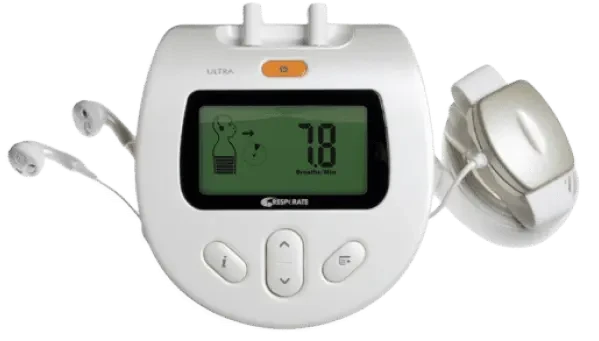
RESPeRATE works alongside your physician-directed treatment plan to support healthy blood pressure through clinically proven, slow-paced breathing therapy. Discover how it works.

 Clinically proven


 Eli
Eli