
 Brian Fairchild

Can Anger Cause High Blood Pressure?
Anger is a normal, even healthy, emotion. But when anger builds up and goes unmanaged, it can take a toll on the body, including a spike in blood pressure. Even someone who feels generally calm can find that a flash of temper brings on chest tightness or body tension, which is one more reason learning to vent in a healthy way matters.
While it isn’t easy to control anger after a bad day at work, an argument about finances, or a frustrating commute, managing it is worth the effort.
Uncontrolled anger is one of the many signs of stress, and researchers have found it can also strain the body directly. Anger has been linked to impaired blood vessel function, an early warning sign for future heart problems.
Remember that “fight or flight” stress response that kicks in when you’re under pressure?
What Is the Connection Between High Blood Pressure and Anger?
When you express anger by yelling, cursing, or speeding behind a driver who just cut you off, your body’s fight response goes into full gear.
Your heart beats faster and your blood vessels constrict. Eventually, your body returns to normal and regulates itself, unless this reaction happens often. If it does, it may be time to take a new approach to anger: get positive.

Watch how Julie Lowered her Blood Pressure Naturally.
It was 170/110, this morning it was 120/80
Learn More
11 Tips to Cooling the Flames of Anger
1. Take a Break
When you feel yourself overcome with anger, stop for a moment and breathe. Step away from the situation. Counting to 10 can help you relax and regain control.
Some people find repeating a calming phrase helps, like “it’s not worth getting heated up,” “tomorrow is another day,” or “it’s just a word.”
Sometimes taking a break from a person who triggers your anger will help. Or maybe it’s simply time for a vacation.
2. Think First, React Later
Once you feel calmer and your body has relaxed, think about what happened. Give yourself, and anyone else involved, time to think things over.
Try placing yourself in the other person’s shoes to understand their actions.
Avoid acting in the heat of the moment, since you’re more likely to say something that makes the situation worse and adds to your stress.
3. Speak Through Your Feelings
Reach out to a friend or someone you can talk to easily, and share how you feel with them. Speaking with an objective friend can help release built-up anger.
4. Speak With Those That Anger You
Once you’re thinking clearly, express your frustration in an assertive but non-confrontational way.
State your concerns and needs clearly and directly, without hurting others or trying to control them.
Avoid placing blame and criticism on the other person. Speaking in the “I” instead of “you” helps avoid defensive reactions and opens the door to positive dialogue. For instance, try “I feel upset that the house is often messy when I get home” instead of “you never clean.”
5. Be an Active Listener
When you’re ready to talk about your anger, listening actively to what’s being said, and left unsaid, matters just as much as speaking. Active listening builds trust and makes it easier to work through tense emotions together. If this is a skill you haven’t practiced in a while, it’s worth exercising.
6. Think About Possible Solutions
Stay focused on the present and think about what you can do now to prevent similar situations. Instead of dwelling on the problem itself, focus on solutions.
Does your partner hate washing the dishes? Agree to handle that chore yourself, and let your partner take on something else. Does a friend forget to call you back? Reach out and talk with them about it.
Whenever you’re wrestling with frustrations like these, remind yourself that anger won’t fix anything. It might only make things worse.
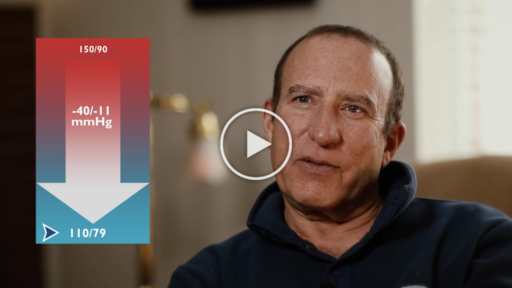
Watch How Mark Lowered His Blood Pressure Naturally.
It was 150/100, this morning it was 110/79

7. Forgive
Letting anger and other negative feelings take over your head and body can leave you feeling bitter and raise your stress levels. Forgiving the people who anger you can release that tension.
According to Mayo Clinic, letting go of grudges and practicing forgiveness is linked to lower stress, improved mood, and better overall well-being, since holding on to resentment mostly ends up hurting the person carrying it.
8. Laugh
Laughing at yourself and the situation can reduce tension. Laughter is a great way to feel good and lighten the mood. Avoid sarcasm, especially after a tense moment, since it can hurt feelings and make things worse.
9. Exercise
Physical activity, from moderate to intense, can provide an outlet for your emotions, especially when you’re about to erupt. Go for a walk, run, or bike ride when you’re tense and angry.
According to Mayo Clinic, exercise helps release brain chemicals that can leave you feeling calmer and happier than before you worked out.
10. Practice Relaxation Exercises
When anger flares, try deep breathing exercises, meditation or yoga. Figure out what works best for you.
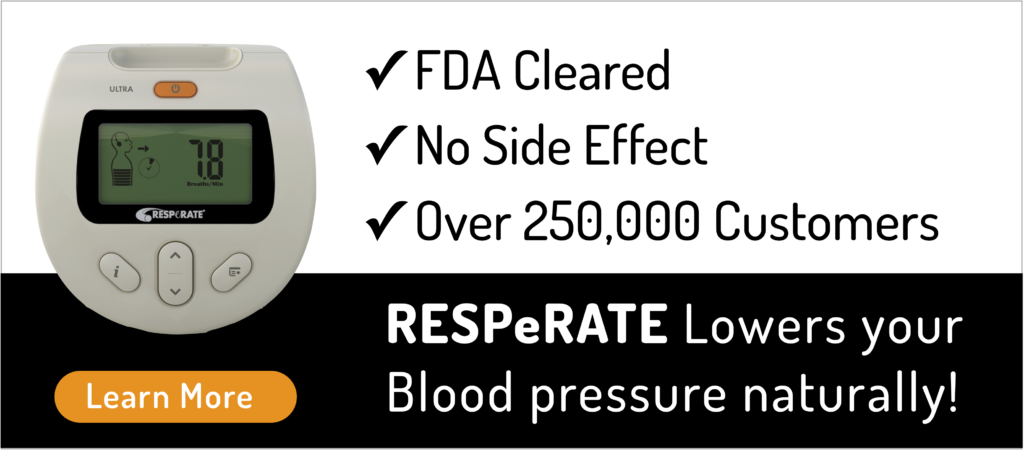
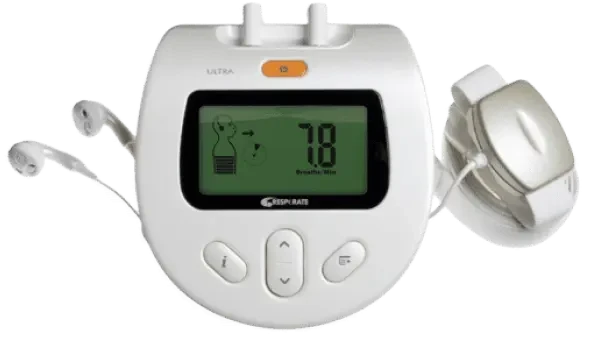
RESPeRATE can guide you through deep breathing exercises, and within 15 minutes you may notice a calmer version of yourself. Listening to music can also help, and so can writing in a journal, which many people find cathartic.
RESPeRATE reviews often highlight how helpful it is for reducing stress and managing blood pressure, making it a useful tool for anger management too.
11. Know When You Can’t Do It Alone
Some life experiences inevitably push anger to uncontrollable levels. Losing a loved one, illness, getting fired, and divorce are just a few common events that can cause severe stress and anger that lingers.
During these periods, it can be very difficult to learn on your own how to manage anger. If you’re having trouble getting it under control, it’s okay to seek help. Many professionals specialize in anger management and can help you understand your anger and bring it under control.
Additional Resources on High Blood Pressure and Anger


 Clinically proven

 Eli




