
 Brian Fairchild
Most people have been told that exercise helps blow off steam. Go for a run when you are angry. Hit the gym after a hard day. Burn it off. The advice sounds logical, and for most situations it is. But there is a specific window of time when that advice may be exactly wrong.
New research makes the danger clearer than it has ever been. Anger is not just an emotion. It is a physiological event that temporarily impairs your blood vessels, spikes your blood pressure, and in people with underlying cardiovascular risk, can act as the trigger that turns a stable situation into a heart attack.
This post covers what the research actually shows, why the combination of anger and heavy physical exertion is particularly dangerous, and what you can do to protect your cardiovascular system when strong emotions arise.
What the Research Shows: Anger and Heart Attack Risk
The INTERHEART study
The largest and most comprehensive investigation of this question is the INTERHEART study, a massive international case-control study published in Circulation. Researchers analyzed data from over 25,000 participants across 52 countries, looking at what triggered first acute myocardial infarction.
The findings were striking across every region, every age group, and both sexes.
Anger or emotional upset: increased the risk of a first heart attack by 4.74 times in the two hours after the episode
Stroke risk: increased by 3.62 times following anger or emotional upset
Combined trigger: when heavy physical exertion and anger occurred together, the risk was additive, higher than either trigger alone
The study identified heavy physical exertion, not moderate activity, as the relevant physical trigger. Regular long-term exercise remains one of the most important cardiovascular protective behaviors available. The risk identified here is specific to intense exertion in the immediate window after a significant anger episode.
Smyth A et al. Physical activity and anger or emotional upset as triggers of acute myocardial infarction: the INTERHEART study. Circulation. 2016;134:1059–1067. View on AHA Journals
Why this combination is particularly dangerous
Both anger and vigorous exercise independently raise heart rate, blood pressure, and sympathetic nervous system activation. In a healthy cardiovascular system, the body manages this well. In someone with underlying arterial disease, even subclinical disease they may not know about, the combination can push the system past the point it can safely compensate.
Atherosclerotic plaques, the buildup of fatty material inside artery walls, can be relatively stable for years. Acute surges in blood pressure and heart rate can cause those plaques to rupture. A ruptured plaque triggers clot formation. A clot in a coronary artery is a heart attack.
It was 150/100, this morning it was 110/79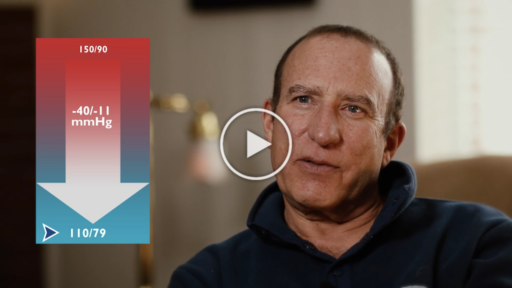
Watch How Mark Lowered His Blood Pressure Naturally.
New Research Reveals Exactly What Anger Does to Your Arteries
Until recently, the link between anger and cardiovascular events was well-established but poorly explained. We knew anger increased heart attack risk. We did not know exactly why at the vascular level. A landmark 2024 study changed that.
Researchers at Columbia University Irving Medical Center, led by cardiologist and co-director of the hypertension center Dr. Daichi Shimbo, conducted a randomized controlled trial with 280 apparently healthy adults. Participants were assigned to one of four tasks: recalling an anger-inducing memory, recalling anxiety-inducing memories, reading sadness-inducing content, or a neutral task.
The anger group showed something the anxiety and sadness groups did not. Their blood vessel dilation was cut by more than half within 40 minutes of the anger recall task. This impairment, called endothelial dysfunction, is a recognized precursor to atherosclerosis and cardiovascular events.
The NIH-funded study, published in the Journal of the American Heart Association, concluded that a brief provocation of anger adversely affected endothelial cell health by impairing endothelium-dependent vasodilation. This effect was unique to anger. Anxiety and sadness did not produce the same vascular impairment.
The implications are significant. Just eight minutes of recalling an angry memory measurably damaged vascular function for up to 40 minutes. A person who experiences repeated anger episodes throughout their life is, in Dr. Shimbo’s words, experiencing chronic injuries to their blood vessels that may eventually lead to irreversible damage.
Shimbo D et al. Translational Research of the Acute Effects of Negative Emotions on Vascular Endothelial Health: Findings From a Randomized Controlled Study. J Am Heart Assoc. 2024;13:e032698. View on JAHA
Consultant Psychiatrist and neuroscience educator Dr. Sanil Rege, founder of Psych Scene Hub, explores the science behind why emotional stress triggers cardiovascular events in the video below, including what happens in the brain and heart during acute stress responses.
With that mechanistic picture in mind, the practical question becomes: what can you actually do when you feel anger rising?
How to Manage Anger Before It Becomes a Cardiovascular Risk
The goal is not to suppress anger. Chronically bottled anger has its own set of health consequences, including elevated cortisol, increased blood pressure, and disrupted sleep. The goal is to recognize the physiological state anger creates and give your cardiovascular system time to recover before adding physical exertion to the equation.
1. Recognize the warning signs early
Rising irritation, quickening pulse, faster breathing, and a sense of pressure in the chest are all signals that your sympathetic nervous system is activating. Notice them. Name the state you are in. That moment of recognition creates a brief window to respond rather than react.
Try breathing mindfully for a few breaths. Notice your body sensations without amplifying them. What your body is experiencing right now will pass. Your job in this moment is to observe it, not escalate it.
2. Remember you have a choice in how you respond
Anger often comes with a sense that something is being done to you and that you must respond. In many situations, the only real choice you have is how you react. During heated moments, a simple internal reminder helps: I have a choice here. Choosing not to escalate does not mean the situation is not real or important. It means your heart comes first.
3. Slow your breathing deliberately
This is the most direct cardiovascular intervention you have access to in the moment. Slow, controlled breathing activates the parasympathetic nervous system, lowers heart rate, and begins to reverse the sympathetic activation that anger triggers. You do not need a device to do this in a crisis moment. Extend your exhale. Breathe out longer than you breathe in. That single shift calms the nervous system faster than almost any other technique available without medication.
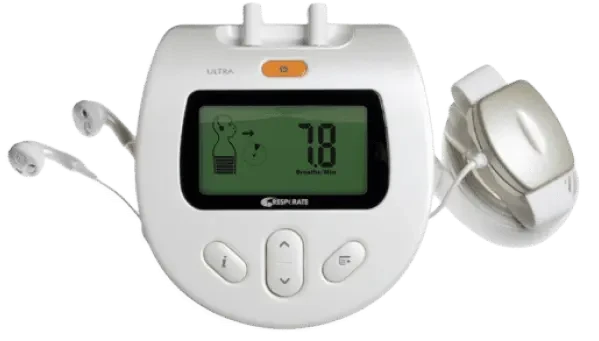
This is exactly the mechanism RESPeRATE uses in its device-guided sessions. By guiding the exhale progressively longer over 15 minutes, RESPeRATE produces a measurable reduction in sympathetic nervous system activity and blood pressure. Daily use builds the body’s baseline capacity to regulate stress responses, making acute anger episodes less physiologically damaging over time.
4. Do not exercise intensively for at least 30 to 40 minutes after a significant anger episode
This is the practical takeaway from the INTERHEART data. The two-hour window after intense anger carries elevated cardiovascular risk. Heavy exertion in that window compounds the risk additively. A walk, gentle stretching, or simply sitting quietly is a better choice than a high-intensity run immediately after a major confrontation. The exercise is not going anywhere. Your arteries will thank you for waiting.
5. Eat something if you are also hungry
Low blood sugar amplifies irritability and reduces the cognitive resources you need to manage emotion effectively. A small snack during a stressful period is not indulgence. It is physiological management.
6. Protect your sleep
Sleep deprivation directly elevates blood pressure, reduces emotional regulation capacity, and makes anger responses faster and more intense. People who are chronically sleep-deprived are quicker to anger and slower to de-escalate. Sleep is not a lifestyle luxury for people managing hypertension. It is a cardiovascular variable.
We have written about the relationship between sleep and blood pressure in detail. Read our post on how your sleep schedule may be affecting your blood pressure for more.
7. Spend time with pets
The cardiovascular benefit of pet ownership is better documented than most people realize. A study published in Psychosomatic Medicine found that people who perceive their pets as important and supportive have measurably better cardiovascular markers and higher survival rates after heart attacks. Pet owners have lower resting heart rates and blood pressure on average. Petting an animal activates the parasympathetic system in minutes. If you have a pet, use them.
8. Take road rage seriously
Commuting anger is one of the most common sources of repeated acute anger episodes for working adults. Driving in heavy traffic while already stressed and then encountering dangerous or inconsiderate drivers produces exactly the physiological state the INTERHEART and Shimbo studies describe. The stakes in that moment are not just legal or social. Leave earlier. Use audiobooks or podcasts that reduce emotional intensity rather than amplifying it. The commute is not worth the cardiac risk.
None of these strategies requires medication or a clinical referral. They are behavioral and physiological tools that work because they address the same sympathetic nervous system activation that anger triggers.
It was 170/110, this morning it was 120/80
Watch how Julie Lowered her Blood Pressure Naturally.


Managing anger is not a personality project. For anyone with hypertension or cardiovascular risk, it is a clinical priority.
Where RESPeRATE Fits in Anger and Stress Management
The mechanism that makes anger dangerous to the cardiovascular system is the same mechanism RESPeRATE addresses every day: sympathetic nervous system overactivation. Anger triggers it acutely. Chronic stress sustains it at a lower but constant level. Either way, blood pressure rises, blood vessels constrict, and cardiovascular risk accumulates.
RESPeRATE is the only FDA-cleared device designed to lower blood pressure naturally. Its 15-minute device-guided breathing sessions produce a measurable reduction in sympathetic outflow, relax blood vessel walls, and build the body’s capacity to recover from stress more effectively over time. Regular use does not make you incapable of anger. It reduces the baseline physiological tension that makes anger episodes more dangerous.
Think of it as training your nervous system the same way exercise trains your cardiovascular system. The adaptation accumulates. The benefit is measurable. And it requires nothing more than 15 minutes and a quiet place to sit.
You can read more about the clinical evidence behind RESPeRATE on our clinical proof page.
Summary
Anger heart attack risk is real, well-documented, and now mechanistically understood. The INTERHEART study showed that anger in the two hours before a cardiac event increases heart attack risk nearly fivefold. The 2024 Columbia University trial showed for the first time exactly why: even eight minutes of recalled anger cuts blood vessel dilation by more than half, producing the kind of endothelial dysfunction that precedes atherosclerosis and cardiovascular events.
The combination of intense anger and heavy physical exertion in the same short time window is additive in risk. This does not mean avoiding exercise. It means being aware of the two-hour window after a significant anger episode and choosing not to add high-intensity physical stress to an already stressed cardiovascular system.
Slow breathing, emotional recognition, adequate sleep, and daily stress management with tools like RESPeRATE work on the same physiological mechanisms that make anger dangerous. They lower sympathetic activation, support endothelial function, and reduce the baseline cardiovascular burden that makes acute anger episodes so consequential. RESPeRATE works best as part of your overall health program alongside your physician-directed treatment plan.
Ready to address the stress driving your blood pressure? Explore RESPeRATE today and use it as part of your overall health program, alongside your physician-directed treatment plan.


 Clinically proven

 Eli
Eli 




