
 Brian Fairchild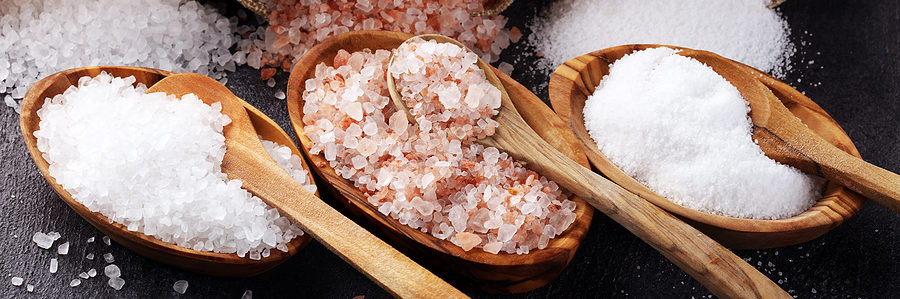
Most people managing high blood pressure have heard the same advice for years: eat less salt. That advice is not wrong. But it is incomplete. A growing body of research shows that the relationship between sodium and potassium matters more than sodium alone. The ratio of these two minerals predicts cardiovascular risk more accurately than any single number on your nutrition label.
The American Heart Association has long recommended reducing sodium. Its 2026 dietary guidance goes further. It explicitly endorses a combined approach of reducing sodium while increasing potassium for hypertension prevention and control. That shift reflects decades of evidence. Your body responds to the balance between these two electrolytes, not to either one in isolation. The AHA now recommends 3,500 to 5,000 mg of potassium per day for adults with hypertension, ideally through food. Read the full guidance at the AHA potassium and blood pressure page.
It was 150/100, this morning it was 110/79
Watch How Mark Lowered His Blood Pressure Naturally.

The ratio most Americans eat — and the one they should
Most American adults consume about 3,400 mg of sodium per day and only around 2,500 mg of potassium. That produces a sodium-to-potassium ratio of roughly 1.36 to 1, meaning more sodium than potassium in every day’s eating. The optimal target is the reverse. UCLA Health and WHO guidance point to a ratio of 1 part sodium to 3 parts potassium as the cardiovascular target. Our ancestors ate closer to 1 part sodium to 16 parts potassium. You do not need to hit that ancestral mark. Shifting toward more potassium and less sodium lowers blood pressure through mechanisms that sodium reduction alone does not capture.
What the research shows about the ratio and cardiovascular risk
A systematic review of 41 studies confirmed that the dietary sodium-to-potassium ratio is the most consistent predictor of blood pressure across populations. It outperformed either mineral measured alone. A 2023 prospective cohort study followed 2,050 adults for a median of 10.6 years. It found that a higher sodium-to-potassium ratio raised cardiovascular disease risk by 41 percent for each 1,000 mg per day increase in sodium relative to potassium. The full findings appear in BMC Public Health (2023).
A February 2026 study in Hypertension Research drew on 23,014 adults from annual checkups between 2010 and 2023. People with hypertension had significantly higher sodium-to-potassium ratios than normotensive individuals. The ratio predicted future development of hypertension independently of other known risk factors.
A February 2026 NHANES analysis of US adults, published in PLOS One, confirmed the same pattern in an American population. Higher ratios associated strongly with hypertension risk across age groups. The association held after adjusting for body mass index, physical activity, and other cardiometabolic variables.
Why sodium reduction alone is not enough
None of this makes sodium reduction irrelevant. Reducing sodium still matters. Treating it as the only lever pulls attention away from the equally important work of raising potassium through whole food choices. A diet low in sodium but also low in potassium does not deliver the same benefit. Addressing both sides of the ratio is what produces the measurable effect.
Your kidneys regulate this balance continuously. When potassium intake increases, the kidneys excrete more sodium in urine, which directly lowers blood volume and blood pressure. Potassium also helps relax the smooth muscle in blood vessel walls, reducing vascular resistance. A diet high in sodium and low in potassium keeps both mechanisms working against you. Retained sodium raises blood volume. Constricted vessels raise resistance.
For adults with hypertension, the AHA recommends 3,500 to 5,000 mg of potassium per day, ideally from diet. Meeting that target through food automatically shifts the ratio in the right direction. The FDA limits over-the-counter potassium supplements to 99 mg per tablet. That is a fraction of the daily target, which is why food sources carry the most practical weight.
It was 170/110, this morning it was 120/80
Watch how Julie Lowered her Blood Pressure Naturally.


Eight foods that shift the sodium-to-potassium ratio
These are the most practical whole food sources for improving the ratio. Each is low in sodium in its natural state and high enough in potassium to make a meaningful daily difference.
- Sweet potatoes. Around 950 mg per medium baked potato with skin. They also carry fiber and beta-carotene, neither of which conflicts with a blood pressure-reducing diet.
- Leafy greens (spinach, Swiss chard). 600 to 960 mg per cooked cup. They rank among the highest density potassium sources available and fit easily into almost any meal.
- Beans and lentils. 600 to 900 mg per cup cooked, with no sodium in their natural state. Black beans, white beans, and lentils all fall in this range and add fiber that independently supports cardiovascular health.
- Avocado. Around 700 mg per fruit with monounsaturated fat and anti-inflammatory properties. Half an avocado in the morning moves the ratio meaningfully without significant sodium.
- Bananas. Around 420 mg per medium banana. Convenient and sodium-free, though they carry more natural sugar than the other sources here. Eat them whole rather than in juice or processed form.
- Salmon and fatty fish. 600 to 800 mg per 3-ounce serving. They also carry omega-3 fatty acids that independently reduce blood pressure through a separate mechanism.
- Tomatoes and tomato products. 400 to 600 mg per cup, including canned tomatoes with no added salt. They supply lycopene, a carotenoid with documented blood pressure effects. For more on the foods that support blood pressure through diet, see our post on natural foods to lower blood pressure.
- Greek yogurt (plain, non-fat). 350 to 400 mg per cup, with calcium and protein added and no sodium from flavoring. Choose unsweetened varieties only.
A note on potassium-enriched salt substitutes
One practical additional tool is potassium-enriched salt substitute. A large randomized trial of nearly 21,000 participants found that replacing regular table salt with a substitute of 75 percent sodium chloride and 25 percent potassium chloride reduced stroke by 14 percent. Major cardiovascular events fell by 13 percent over five years. The AHA’s 2026 dietary guidance lists this approach as a viable strategy for shifting the ratio.
One important caveat: people with kidney disease or those taking ACE inhibitors, ARBs, or potassium-sparing diuretics should not use potassium salt substitutes without medical guidance. Impaired kidneys cannot clear excess potassium safely. Discuss any change to sodium or potassium intake with your physician if you take blood pressure medication or have a kidney condition.
Where RESPeRATE fits
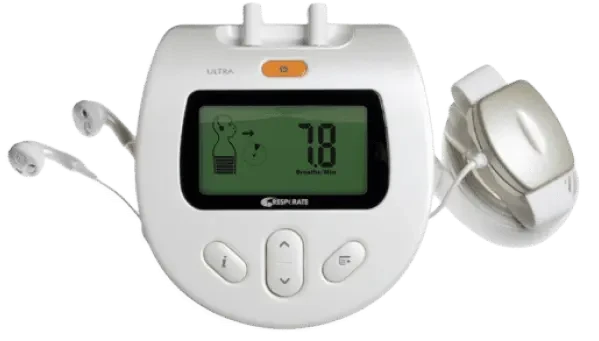
RESPeRATE addresses blood pressure through the autonomic nervous system. It calms the sympathetic overdrive that potassium also helps counteract at the cellular level. The two approaches work through related but distinct mechanisms and support each other as part of a broader strategy. For more on how dietary patterns and non-drug tools work together for blood pressure management, see our overview of the DASH diet and blood pressure.
RESPeRATE is the only FDA-cleared non-drug device clinically proven to lower blood pressure. Use it as part of your overall health program alongside your physician-directed treatment plan. Review the full clinical evidence at our clinical proof page.

 Clinically proven

 Eli
Eli 





Comments