Brian Fairchild

Meditation for stress is the most common reason people sit down to practice. According to the NCCIH, a 2012 survey of American adults looked at people who practiced mindfulness meditation. Of them, about 92 percent said they meditated to relax or reduce stress. Research also points to possible benefits for sleep and blood pressure. Here is what the evidence shows, and where it is still thin.
What Meditation for Stress Can Do
First, even a few minutes of meditation can help restore your calm, says Mayo Clinic. It also lists several emotional benefits:
- A new way to look at things that cause stress
- Skills to manage your stress
- More focus on the present
- Fewer negative feelings
Similarly, research summaries from the NCCIH back up some of this. In a 2021 analysis of adults with anxiety disorders, mindfulness programs eased anxiety and depression symptoms more than usual care. However, the few studies that followed people beyond 2 months found no long-term effects.
So researchers still need longer studies on meditation for stress.
Meditation and Blood Pressure
In 2017, the American Heart Association reviewed research on sitting meditation and heart health. It found that meditation may help lower blood pressure. Even so, the AHA said there is not enough evidence to know whether or how much it lowers anyone’s numbers.
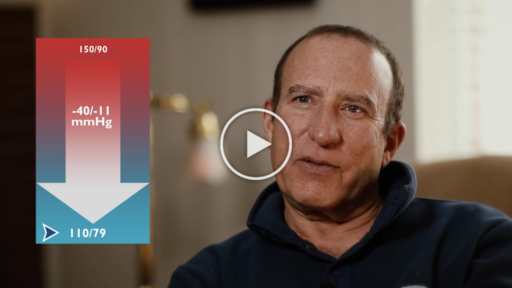
Watch How Mark Lowered His Blood Pressure Naturally.
It was 150/100, this morning it was 110/79
The NCCIH agrees. It also notes that few high-quality studies have looked at meditation and blood pressure. Overall, the AHA suggests meditation as an addition to established medical care, not a substitute for it.
Meditation and Sleep
Stress and poor sleep often go together. According to the NCCIH, mindfulness meditation may help reduce insomnia and improve sleep quality. In fact, a 2019 analysis of 18 studies looked at sleep quality. Meditation’s effects were no different from those of evidence-based treatments, such as cognitive behavioral therapy and exercise. The AHA statement also linked meditation with better sleep quality.
How to Start Meditating
Meditation for stress does not have to take a lot of time. In fact, Mayo Clinic says a few minutes a day is all you really need. Here are a few simple ways to begin:
- Breathe deeply. Focus on your breathing, and gently return to it when your mind wanders.
- Scan your body. Notice how each part of your body feels, one area at a time.
- Repeat a mantra. Choose a word or phrase, religious or not, and repeat it quietly.
- Walk and meditate. Walk slowly and focus on your legs and feet.
Want a simple breathing pattern to try? For example, our guide to the 4-7-8 breathing technique walks you through each step.
Is Meditation Safe?
Meditation usually carries few risks, says the NCCIH. Still, few studies have looked for harmful effects. In a 2020 review of 83 studies, about 8 percent of people had a negative effect. The most common were anxiety and depression.
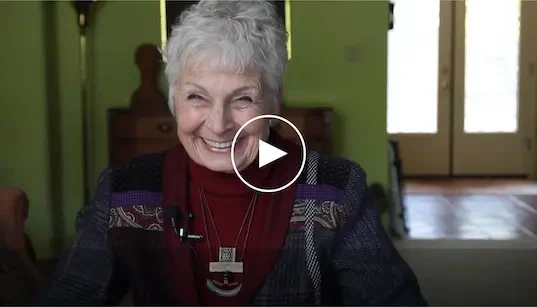
Watch how Julie Lowered her Blood Pressure Naturally.
It was 170/110, this morning it was 120/80
Learn More

Mayo Clinic also notes that meditation might worsen symptoms of some mental health conditions. So talk with your doctor about the pros and cons first. Most important, do not use meditation to replace your treatment or to put off seeing your doctor.
Where Meditation Fits in Your Plan
Meditation for stress is one tool among many. To learn how stress affects your numbers, read our post on whether stress can raise your blood pressure. You can also explore food choices, such as flaxseed and blood pressure.
How to Lower Blood Pressure Naturally
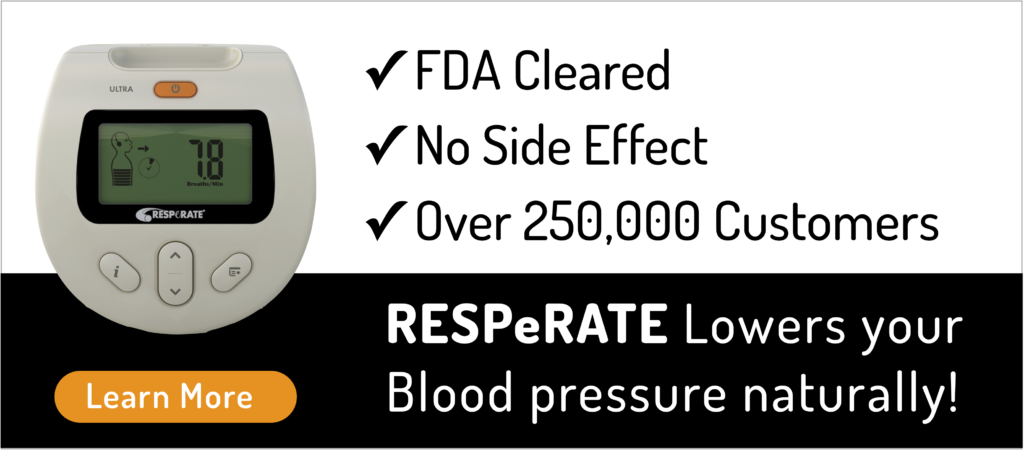
A few quiet minutes each day is one simple step toward a heart-healthy routine. RESPeRATE is an FDA-cleared device clinically shown to lower blood pressure through device-guided slow breathing. It works alongside your physician-directed treatment plan, not instead of it. See how RESPeRATE works and whether it fits your daily routine.


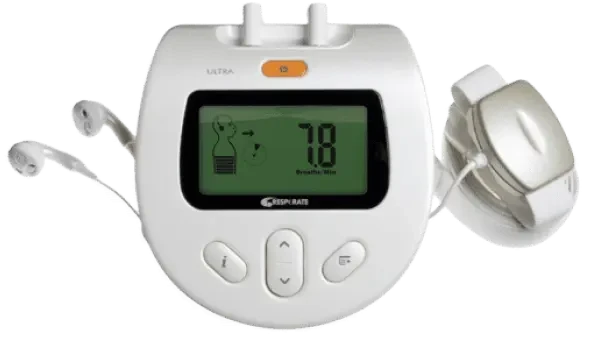
 Clinically proven


 Eli