Brian Fairchild

Potato salad has a reputation problem it does not entirely deserve. The issue is not the potato. Red potatoes are a genuinely good source of potassium, one of the minerals most consistently linked to lower blood pressure. The issue is what most recipes do to them — drowning them in full-fat mayonnaise until the vegetable is an afterthought. This version fixes that. Greek yogurt replaces most of the mayo, garlic adds a cardiovascular boost, dill keeps the flavor bright, and the result is a side dish that earns its place on a DASH diet table without compromise.
To complete your plate, this pairs naturally with our heart-healthy chicken cutlets — lean protein, olive oil, and lemon alongside a potassium-rich side is exactly the kind of meal the DASH framework is built around.
It was 150/100, this morning it was 110/79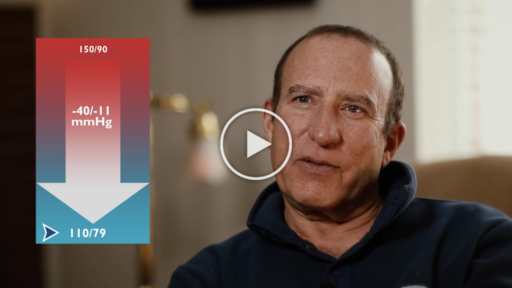
Watch How Mark Lowered His Blood Pressure Naturally.

Red potatoes have been a summer table staple for generations, and for good reason. They hold their shape after cooking, absorb dressing without turning to mush, and deliver real nutritional value when prepared simply. This version keeps the skin on, which is where most of the potassium sits, and builds the dressing around Greek yogurt and garlic rather than a heavy mayonnaise base. The result tastes like the potato salad you remember, without the saturated fat that made it a rare indulgence.

Each ingredient in this recipe was chosen with a purpose. Here is what each one contributes to a heart-healthy plate.
Why These Ingredients Work for Your Heart
Red potatoes
Red potatoes are one of the better dietary sources of potassium, delivering around 900 milligrams per medium potato. The American Heart Association identifies potassium as a key mineral for blood pressure management because it helps the kidneys excrete excess sodium and relaxes blood vessel walls. Leaving the skin on preserves the most potassium and adds fiber.
Greek yogurt
Swapping full-fat mayonnaise for non-fat Greek yogurt cuts saturated fat dramatically while keeping the dressing creamy and clinically relevant. Greek yogurt contributes calcium and a modest amount of protein without the cholesterol burden of a full-fat mayo base. It also adds a natural tang that reduces the need for added salt in the dressing.
Garlic
Two tablespoons of minced garlic is a generous and intentional amount. Research published in the Journal of Nutrition has associated regular garlic consumption with modest reductions in both systolic and diastolic blood pressure. The active compound allicin helps relax blood vessel walls. Raw or lightly cooked garlic preserves more of this activity than long-cooked preparations.
Dill and celery seed
Both are sodium-free flavor builders that do the work salt would otherwise do. Dill in particular is high in flavonoids, plant compounds associated with reduced cardiovascular inflammation. Using aromatic seeds and herbs in place of salt is one of the core techniques the DASH diet promotes for making food taste complete without the blood pressure cost of added sodium.
Green onions
Green onions contribute quercetin, a flavonoid with anti-inflammatory properties, along with a small amount of vitamin K. They also add texture and visual appeal. Folding them in at the end preserves both.
A note on sodium
The dressing in this recipe relies on Greek yogurt, garlic, dill, and celery seed for flavor. The original recipe calls for salt to taste both in the boiling water and in the dressing. For a hypertension audience, the guidance is to use a small pinch only in the boiling water if at all, and to skip the added salt in the dressing entirely. The garlic and dill carry more than enough flavor. Taste before adding salt — most people find they do not need it.
It was 170/110, this morning it was 120/80
Watch how Julie Lowered her Blood Pressure Naturally.


Ingredients
Makes 8 servings as a side dish
- 5 lb red potatoes, washed, skin on
- 1 cup non-fat plain Greek yogurt
- 1/2 cup low-fat mayonnaise (reduced from the original — the yogurt carries the creaminess)
- 8 green onions, chopped
- 2 tablespoons minced garlic
- 1 1/2 tablespoons dill seed
- 1 tablespoon celery seed
- Ground black pepper to taste
- Salt — use sparingly in the boiling water only; taste before adding any to the dressing
Directions
- Bring a large pot of water to a boil. Add the whole potatoes and a small pinch of salt if desired. Cook for 20 minutes or until a sharp knife slides easily into the largest potato. Drain and set aside to cool completely before cutting.
- While the potatoes cool, whisk together the Greek yogurt, low-fat mayonnaise, minced garlic, dill seed, celery seed, and black pepper in a medium mixing bowl until fully combined. Taste the dressing before adding any salt — the garlic and dill carry strong flavor on their own.
- Cut the cooled potatoes into 1-inch cubes, skin on, and place in a large bowl.
- Pour the dressing over the potatoes. Add the chopped green onions. Gently fold everything together until the potatoes are evenly coated. Avoid over-mixing or the potatoes will break down.
- Garnish with a pinch of green onion on top. Refrigerate for at least one hour before serving — the flavor improves significantly as it sits.
Variation: For added protein, fold in 1/2 cup of diced smoked turkey breast before refrigerating. Smoked turkey adds a savory depth similar to bacon without the saturated fat or sodium load. Check labels and choose a low-sodium variety where available.
Make-ahead: This salad keeps well covered in the refrigerator for up to three days. Stir before serving and add a spoonful of Greek yogurt if the dressing has thickened.
For a bold main course that pairs well with this salad, try our Thai turkey burgers, lean, DASH-friendly, and ready in under 30 minutes.
Simple Food, Serious Benefit
Recipes like this one build the kind of dietary pattern that supports blood pressure over time — potassium-rich vegetables, reduced saturated fat, herbs and garlic in place of salt. For more ideas along the same lines, see our roundup of natural foods to lower blood pressure.
RESPeRATE works alongside a heart-healthy diet to address the neural side of blood pressure — calming the sympathetic nervous system overactivation that diet alone cannot fully resolve. It is the only FDA-cleared non-drug device clinically proven to lower blood pressure. Use it as part of your overall health program alongside your physician-directed treatment plan. See the full evidence at our clinical proof page.
We have collected dozens of great heart-healthy recipes for you. Here they are.


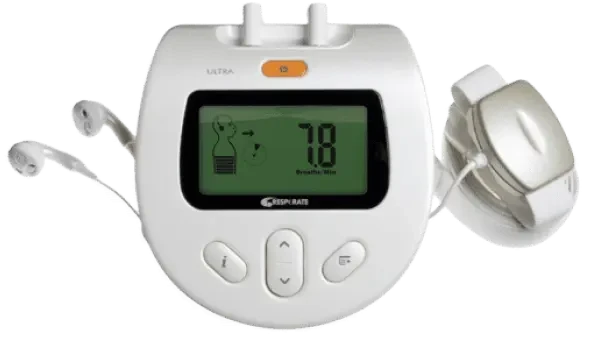
 Clinically proven


 Eli