
 Brian Fairchild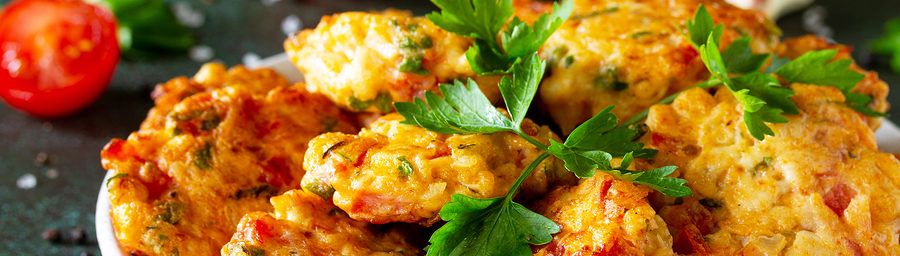
Chicken breast is one of the most useful ingredients in a heart-healthy kitchen, and not just because it is lean. The NHLBI’s DASH Eating Plan specifically lists skinless poultry as an approved protein source, recommending two or fewer six-ounce servings per day as part of a blood pressure-friendly diet. The reason is straightforward: skinless chicken breast is low in saturated fat, high in protein, and genuinely satisfying in a way that keeps portion sizes manageable.
This recipe pairs that lean protein with olive oil, lemon, and a panko-Parmesan crust. The result is a cutlet with a satisfying crunch and a bright, clean flavor that does not need salt to carry it. If you enjoy lean poultry done simply, our heart-healthy Italian turkey meatballs use a similar lean-protein-first approach with a completely different flavor profile.
It was 150/100, this morning it was 110/79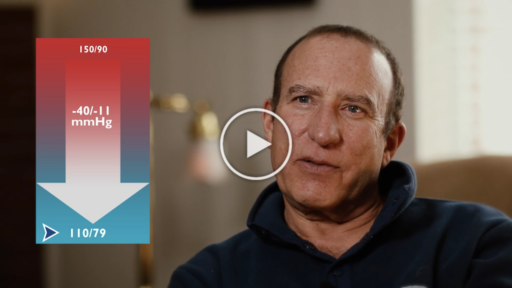
Watch How Mark Lowered His Blood Pressure Naturally.
Why These Ingredients Work for Your Heart
Skinless chicken breast
Replacing red meat with lean white poultry is one of the most consistently supported dietary moves for cardiovascular health. The American Heart Association recommends choosing skinless chicken and turkey over fatty cuts of beef or pork. Chicken breast delivers around 26 grams of protein per 100 grams with less than 2 grams of saturated fat. That protein-to-saturated-fat ratio makes it one of the cleanest protein sources available outside of fish.
Olive oil
Eight tablespoons across four servings comes to two tablespoons per person for pan frying. At that quantity, olive oil contributes predominantly monounsaturated fat, which the AHA associates with reduced LDL cholesterol and improved cardiovascular outcomes. Pan frying in olive oil at medium-high heat also keeps the saturated fat contribution of this recipe genuinely low. Using a cast-iron or heavy skillet helps distribute the heat evenly so you do not need excess oil to prevent sticking.
Lemon
The lemon here is doing more than garnishing. Finishing a chicken cutlet with a squeeze of fresh lemon juice is one of the most effective ways to reduce the perceived need for salt. Acid activates the same taste receptors as salt and produces a brightness that makes the dish taste well-seasoned without adding sodium. This is a technique the DASH diet actively promotes for cooking — use citrus, herbs, and vinegar in place of added salt. A generous squeeze at the table makes a meaningful difference.
A note on sodium
Parmesan and panko both contribute sodium to this recipe. A quarter cup of Parmesan adds approximately 450 milligrams across the whole batch, and standard panko adds a further 150 to 200 milligrams. Per serving, that works out to roughly 160 milligrams — manageable within DASH limits as long as the rest of the meal is not heavily salted. Specify low-sodium or unsalted panko where possible, use Parmesan as written, and go easy on the kosher salt in the seasoning steps. The lemon and mustard powder carry enough flavor that heavy salting is not necessary.
Ingredients
Makes 4 servings
- 4 small skinless boneless chicken cutlets (about 1.5 pounds total), pounded to 1/4-inch thickness
- 3/4 cup all-purpose flour
- 2 large eggs, beaten
- 1.5 cups panko — choose low-sodium or unsalted where available
- 1/4 cup finely grated Parmesan
- 1 tablespoon mustard powder
- 8 tablespoons extra-virgin olive oil, divided
- 1 lemon, halved
- Sea salt and freshly ground black pepper — use sparingly; the Parmesan, mustard, and lemon carry the seasoning
It was 170/110, this morning it was 120/80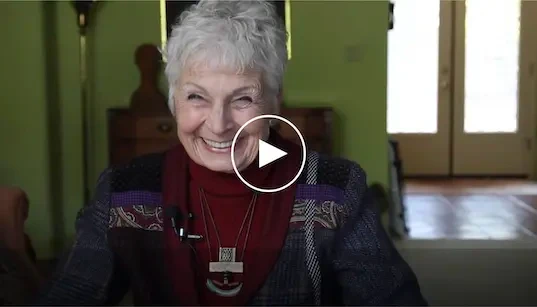
Watch how Julie Lowered her Blood Pressure Naturally.


Directions
- Set up a three-bowl dredging station. Put the flour in the first bowl. Beat the eggs in the second. Combine the panko, Parmesan, and mustard powder in the third and season lightly with pepper and a small pinch of salt.
- Season the chicken cutlets lightly on both sides with salt and pepper. Dredge each one in the flour, shaking off the excess.
- Transfer each floured cutlet to the egg bowl and turn to coat. Lift it out and let the excess drip off, then press it firmly into the panko mixture on both sides until evenly coated.
- Heat 6 tablespoons of the olive oil in a large heavy skillet or cast-iron pan over medium-high heat until shimmering. Working in two batches, add the cutlets and cook until golden brown and cooked through, about 3 to 4 minutes per side. Add the remaining 2 tablespoons of olive oil between batches.
- Transfer to a plate lined with paper towels. Squeeze lemon generously over each cutlet while still hot.
- Serve immediately alongside a large garden salad or steamed greens. Alternatively, let the cutlets cool and slice them over the top of a salad for a satisfying lunch.
Make-ahead: The cutlets can be breaded and refrigerated uncovered on a rack for up to 4 hours before cooking. Chilling them helps the crust adhere better during frying. Leftovers keep in the refrigerator for 2 days and reheat well in a hot oven or air fryer.
Simple Food, Serious Benefit
Recipes like this one build the kind of dietary pattern that supports blood pressure over time — lean protein over saturated fat, olive oil over butter, lemon over salt. For more ideas along the same lines, see our roundup of natural foods to lower blood pressure.
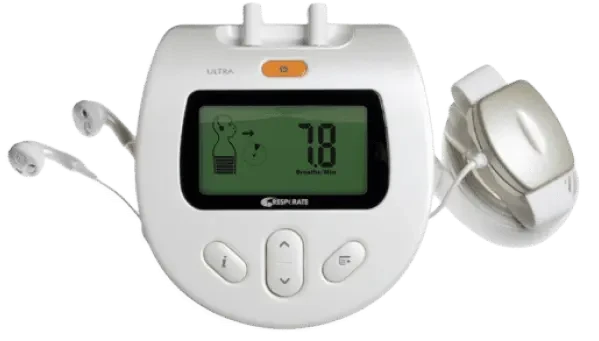
RESPeRATE works alongside a heart-healthy diet to address the neural side of blood pressure — calming the sympathetic nervous system overactivation that diet alone cannot fully resolve. It is the only FDA-cleared non-drug device clinically proven to lower blood pressure. Use it as part of your overall health program alongside your physician-directed treatment plan. See the full evidence at our clinical proof page.
Pair it with our heart-healthy red potato salad for a complete DASH-friendly plate.
If you enjoy lean poultry in a lighter format, our turkey Boursin wrap is a DASH-friendly no-cook option that comes together in minutes.
For a light, meatless option on the same table, our lemon-ricotta rotini with artichoke hearts is a DASH-approved pasta dish that comes together in under 30 minutes.

 Clinically proven

 Eli
Eli 





Comments