
 Brian Fairchild

Imagine going about your day, feeling a bit off but not thinking much of it. Suddenly, a severe headache, blurred vision, and a sense of unease set in. These symptoms might seem minor at first. They could actually be warning signs of a life-threatening condition: a hypertensive crisis.
Doctors often call high blood pressure, or hypertension, the silent killer, because it can cause significant damage without obvious symptoms. There are critical moments when high blood pressure becomes a medical emergency. Recognizing these moments can be the difference between life and death. This article covers the signs, symptoms, and steps to take when high blood pressure reaches a critical point.
How a Hypertensive Crisis Can Unfold
Here’s a common way a hypertensive crisis can unfold. Picture someone sitting on their porch on an ordinary morning, feeling completely fine. Within minutes, their heart rhythm turns irregular, chest pain sets in, and their blood pressure spikes. An ambulance ride and several days of testing follow. Doctors eventually find the real cause: an artery in the heart, 90 percent blocked. That blockage had triggered the irregular heartbeat and the blood pressure spike together.
Scenarios like this happen more often than people expect, and they don’t always come with obvious warning signs beforehand. That’s exactly why hypertensive crises are so dangerous: normal life, then a sudden turn, with little room for delay.
Hypertensive Crisis and High Blood Pressure
High blood pressure is a common condition. Over time, the force of blood against your artery walls stays too high. Eventually, that pressure can cause health problems, such as heart disease.
Blood pressure depends on both the amount of blood your heart pumps and the resistance to blood flow in your arteries. The more blood your heart pumps, and the narrower your arteries, the higher your blood pressure runs.
You can have high blood pressure for years without any symptoms. Even without symptoms, damage to your blood vessels and heart continues, and it can be detected. Uncontrolled high blood pressure raises your risk of serious health problems, including heart attack and stroke.
Normal blood pressure for adults means a systolic reading below 120 mmHg and a diastolic reading below 80 mmHg. Blood pressure naturally changes when you sleep, wake up, or feel excited or nervous. It’s also normal for blood pressure to rise during activity. Once the activity stops, your blood pressure returns to your normal baseline.
What Is a Hypertensive Crisis?
A hypertensive crisis can be life-threatening, and it’s a frightening thing to experience. Many who’ve been through one say they never want to experience it again. But what exactly is a hypertensive crisis?
According to the American Heart Association, a hypertensive crisis is a severe, sudden increase in blood pressure. It can lead to a stroke. A systolic reading of 180 mmHg or higher, or a diastolic reading of 120 mmHg or higher, can damage blood vessels. Those vessels become inflamed and may leak fluid or blood. As a result, the heart may not be able to pump blood effectively.
What Is the Cause of a Hypertensive Crisis?
Hypertensive crises are a common reason patients end up in emergency rooms. Identifying risk factors matters, since it helps target specific patients for more aggressive therapy.
Those at risk include patients with primary hypertension, meaning the cause of their high blood pressure is unknown. It also includes patients with secondary hypertension. That’s high blood pressure linked to conditions like kidney disease, cardiovascular disease, sleep apnea, or pheochromocytoma.
Surgery, excess dietary salt, or existing hypertension that worsens undetected can also trigger a crisis. In patients with or without existing hypertension, a hypertensive crisis can also stem from several other triggers. These include neurological conditions, alcohol withdrawal, illegal drug use such as cocaine, and over-the-counter medications containing pseudoephedrine.
It was 150/100, this morning it was 110/79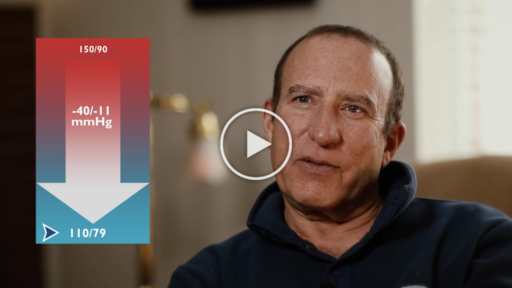
Watch How Mark Lowered His Blood Pressure Naturally.
Male sex and older age are both well-documented risk factors for hypertensive crisis. Some studies also report higher crisis rates in African-American communities. Research suggests this largely reflects disparities in hypertension control and access to care, rather than an independent biological risk. Poor medication adherence and lack of regular medical checkups remain some of the strongest predictors overall.
Signs and Symptoms of a Hypertensive Crisis
- Severe chest pain
- Severe headache, accompanied by confusion and blurred vision
- Nausea and vomiting
- Severe anxiety
- Shortness of breath
- Seizures
- Unresponsiveness
If you experience a severe increase in your blood pressure, seek immediate medical attention or call 911. Treatment for a hypertensive crisis may include hospitalization for treatment with oral or intravenous medications.
Causes of Hypertensive Crisis
- Forgetting to take your blood pressure medication
- Stroke
- Heart attack
- Heart failure
- Kidney failure
- Rupture of your body’s main artery (aorta)
- Interaction between medications
- Convulsions during pregnancy (eclampsia)
Commonly Affected Organs and Systems
Central Nervous System
Findings include hypertensive encephalopathy and subarachnoid or intracerebral hemorrhage. In other words, it can cause a stroke or a bleed in the brain.
Symptoms include seizures, altered mental status such as lethargy, coma, or confusion, changes in behavior, facial nerve palsy, and hemiplegia.
Renal System
Findings include renal insufficiency or failure.
Symptoms include flank pain, dysuria, hematuria, frothy or tea-colored urine, and oliguria or anuria.
Note: renal disease often causes hypertension in children, though rarely, hypertension in children can also lead to the kidney damage described above.
Cardiovascular System
Findings include congestive heart failure.
Symptoms include tachypnea, shortness of breath, orthopnea, paroxysmal nocturnal dyspnea, edema, S3 or S4 heart sounds, and a new or changed heart murmur.
Vision Problems
Findings include papilledema, retinal hemorrhages, and exudates.
Symptoms include visual changes and deficits in peripheral vision.
Preventing a Hypertensive Crisis
Education is the biggest key to preventing a hypertensive crisis. If you have hypertension, you can take steps to control it and avoid this problem entirely. There are also steps you can take to personally manage your condition. Just like someone with diabetes who avoids sugary desserts, there are things worth avoiding. We all need to become our own healthcare advocates.
It was 170/110, this morning it was 120/80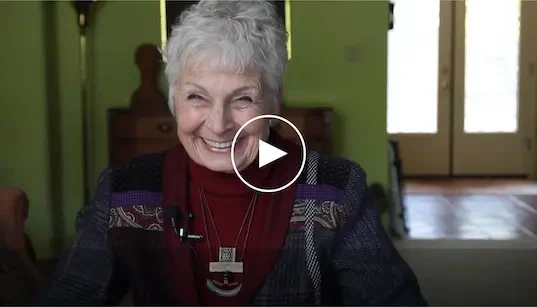
Watch how Julie Lowered her Blood Pressure Naturally.


According to Mayo Clinic, several everyday changes can meaningfully lower blood pressure:
- If you’re overweight, losing weight helps. Blood pressure tends to drop by about 1 mmHg for every 2.2 lbs (1 kg) lost.
- Quitting smoking helps too. Each cigarette temporarily raises your blood pressure, and quitting significantly lowers your long-term heart disease risk.
- Regular aerobic exercise, like walking, cycling, or swimming, can lower blood pressure by about 5 to 8 mmHg.
- If you drink alcohol, keep it moderate. Doing so can lower blood pressure by about 4 mmHg compared to heavier drinking.
- A DASH-style eating pattern, rich in fruits, vegetables, whole grains, and low-fat dairy, can lower blood pressure by up to 11 mmHg.
- Getting enough potassium from foods like bananas, potatoes, and leafy greens may lower blood pressure by another 4 to 5 mmHg.
- Cutting sodium to 1,500 mg a day or less, about half a teaspoon of salt, can lower blood pressure by about 5 to 6 mmHg.
- If your physician has prescribed medication, take it exactly as directed.
- Monitor your own blood pressure regularly at home.
How to Lower Blood Pressure Naturally
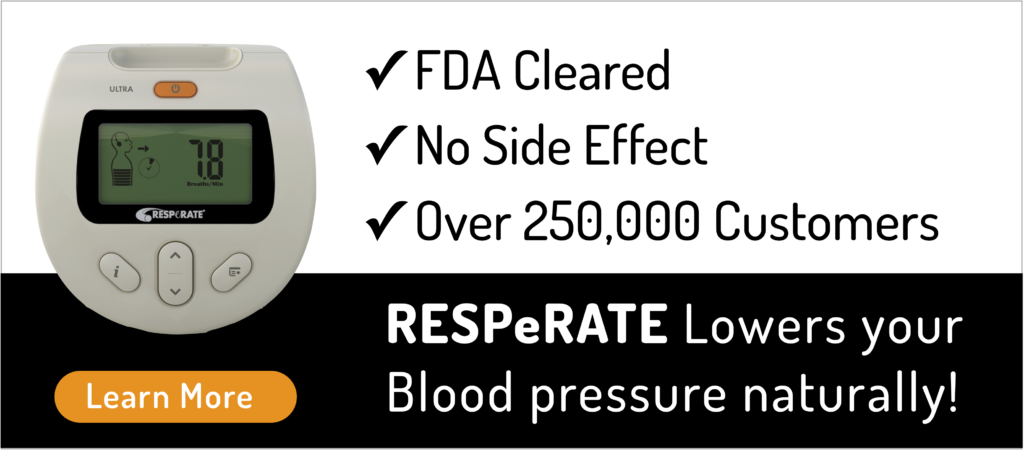
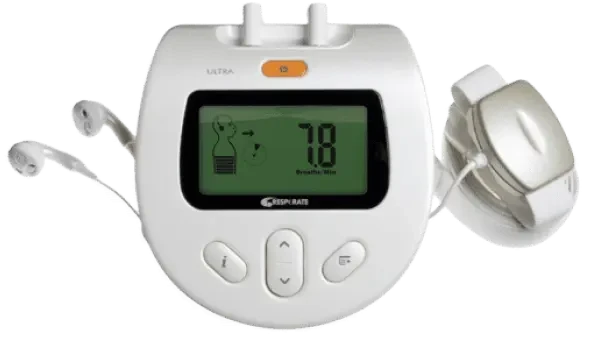
RESPeRATE is the only FDA-cleared device for lowering blood pressure naturally. Clinical trials back it, doctors recommend it, and it works alongside your physician-directed treatment plan.
High blood pressure can be a silent but dangerous condition. It’s crucial to recognize the critical moments when it becomes a medical emergency. By spotting warning signs such as severe headaches, chest pain, and shortness of breath, you can act quickly. Getting medical help fast can save your life.
Uncontrolled blood pressure carries risks beyond the obvious, including its connection to erectile dysfunction, which some men notice before other warning signs appear.
Time is of the essence in these situations, and prompt treatment can prevent serious complications and even save lives. If you or someone you know experiences any of these symptoms, don’t hesitate. Call emergency services right away. Stay informed, stay vigilant, and prioritize your health.


 Clinically proven

 Eli





Comments
7 Replies to “Hypertensive Crisis: Prevention and Risks”
We do not recommend any particular medication. That is between you and your physician. But we do have many articles discussing natural ways to lower blood pressure.
9 years ago my BP registered 255/150. The doctor told me I should be dead! Some of this was white coat syndrome and some was poor diet. I read all of Dr. Fuhrmans books and Dr. Esselstyns’ books referenced above and just a few months later my BP dropped to 115/70 all without medication and has stayed that way ever since.
Glad everything is OK. Yes I have both their books. Kindest Regards Eli, SCS Manager
The books are your best source of information as to how to keep yourself health. In addition to those referenced also read “Eat to Live” by Dr. Fuhrman. The chapter from that book that always resonated with me was “Digging our graves with forks and knives”
Yes I have his books. Very valuable information. Eli
Jason/Eli Ben -Yehuda: I will buy the books of Fuhrman, Esselstyn, & M. Greger. Question: How did you lower your bp WITHOUT medicine? What was your doctor’s advice,? My Bp right now is controlled bcoz I take a bp med low dose, and have not been on it for 6 months. But since I know that my high bp was caused by stress, specifically by lack of sleep, it caused my cortisol to be activated. I am working on my sleeping habits but it is nit easy bcoz I am the primary care giver of my elderly aunt. So the stress of caregiving has taken a toll on my mental & physical body. I eat a relatively healthy diet. I also notice that by me eating raw garlic, it does have a tremendous positive effect on lowering the pressure. But I would like to NOT take the bp med anymore. Please enlighten me more on how not to take the medicine. I also notice that intentional prayer helps greatly & gives a soothing calming relief. Thank you much.
I think the key point to remember is that the hypertension typically has no symptoms even if very high. When accompanied by high cholesterol you have the building blocks of atherosclerosis which causes heart attacks and most strokes. A very healthy diet will cure all these things simultaneously without risky drug side effects.
Comments are closed.